Prague: A City of Secrets
Langdon’s Trail Through the City
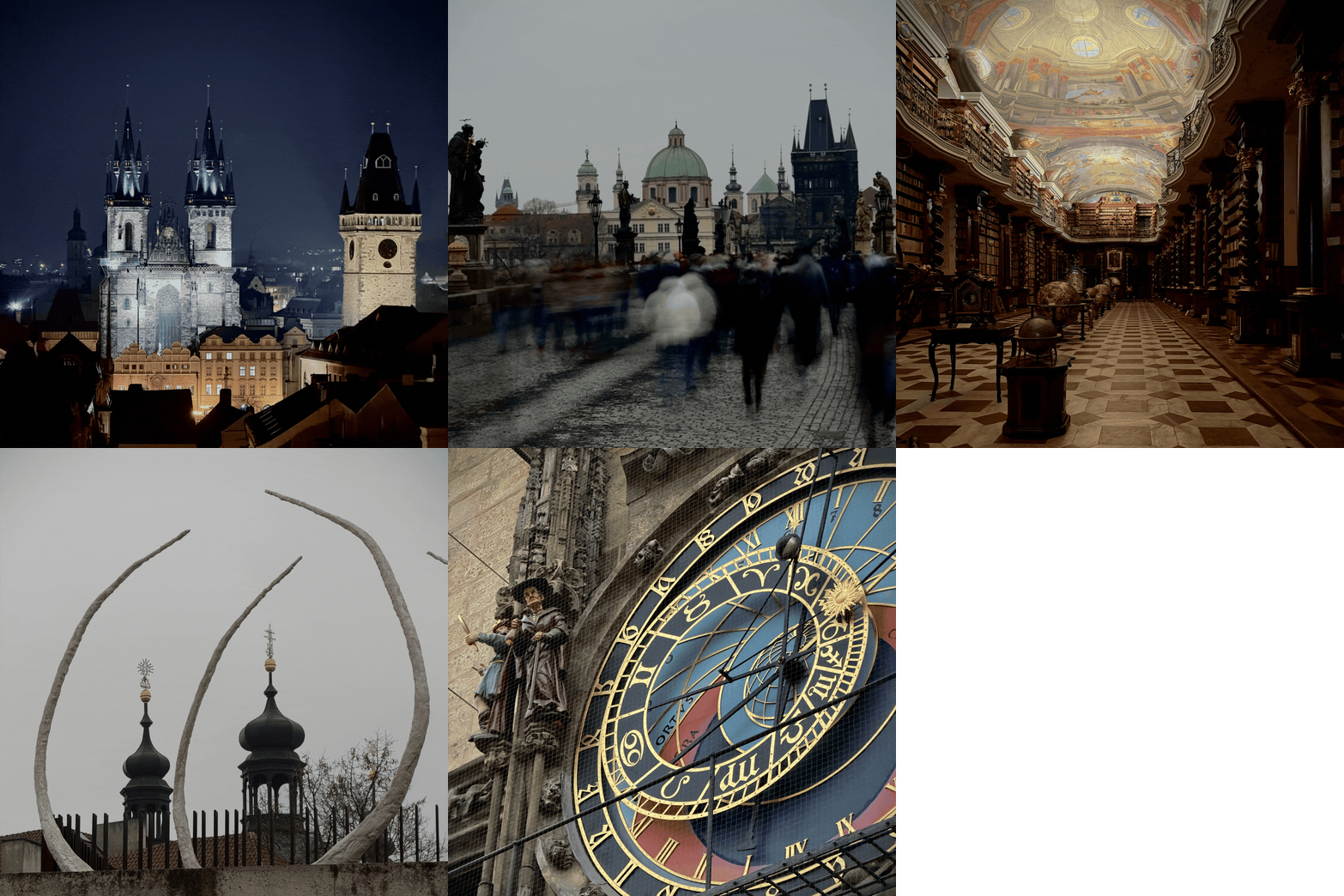
Prague has never been a city that reveals itself all at once.
It does not explain. It suggests.
Meaning here is not presented clearly, nor is it offered willingly. Instead, it accumulates slowly — layered through centuries of belief, observation, fear, and faith. History in Prague does not sit neatly in museums or on plaques. It lingers in alignments, in courtyards half hidden behind arches, in streets that bend where no modern logic would allow them to.
Some cities can be read quickly. Their narratives are linear, their landmarks clearly defined, their stories easy to summarise. Prague resists that kind of reading. It asks instead for patience. For curiosity. For a willingness to move beyond what is immediately visible and into what is implied, remembered, or quietly preserved.
This is a city shaped not only by rulers and wars, but by thinkers and observers — astronomers charting the skies from stone towers, scholars cataloguing knowledge in candlelit halls, mystics searching for patterns beneath the surface of the world. Its streets were never designed merely to connect one point to another. They emerged organically, responding to shifting centres of power, belief systems, and collective anxieties. As a result, Prague feels less like a planned city and more like a manuscript written over itself again and again, each era leaving traces without fully erasing what came before.
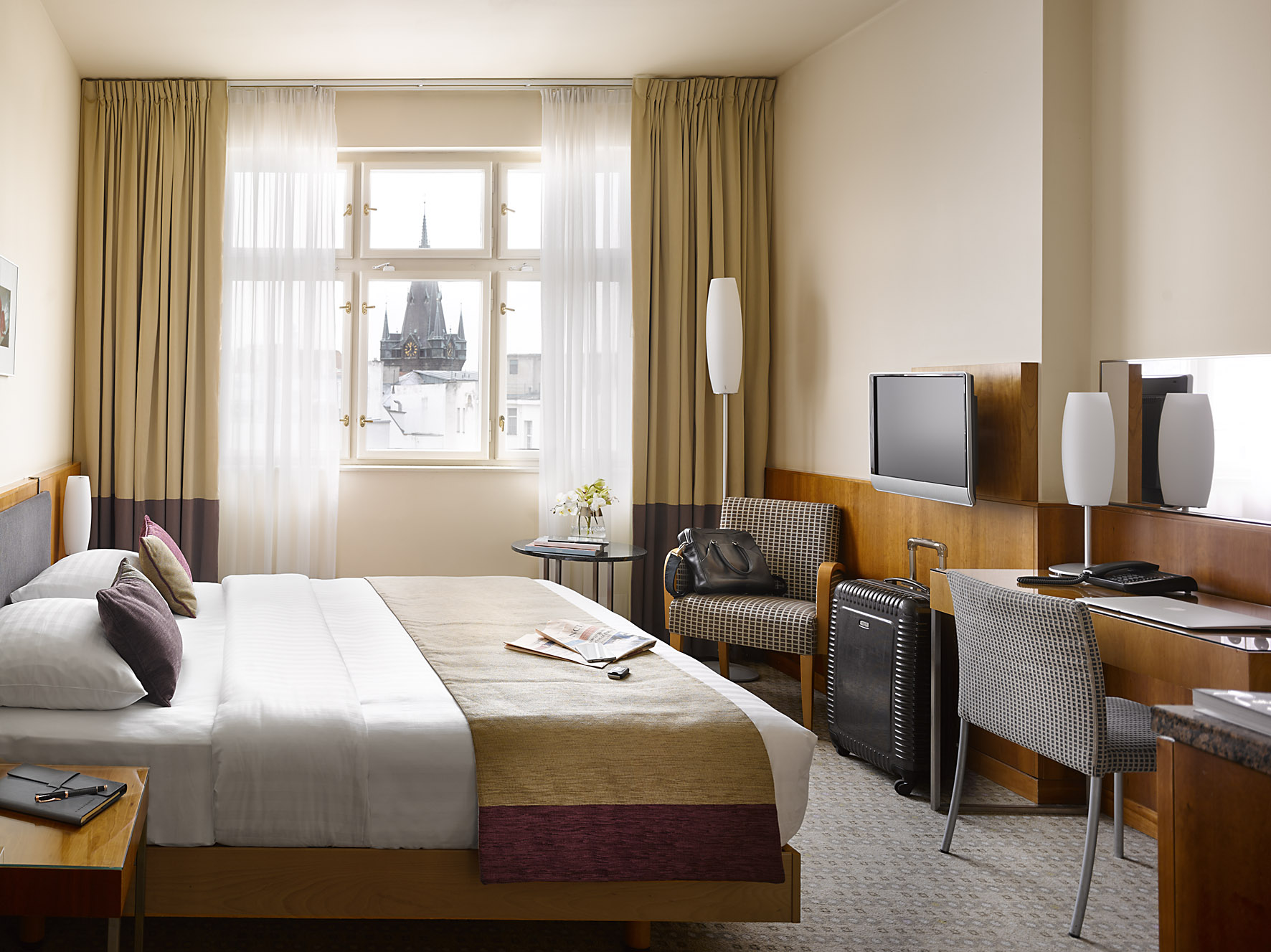
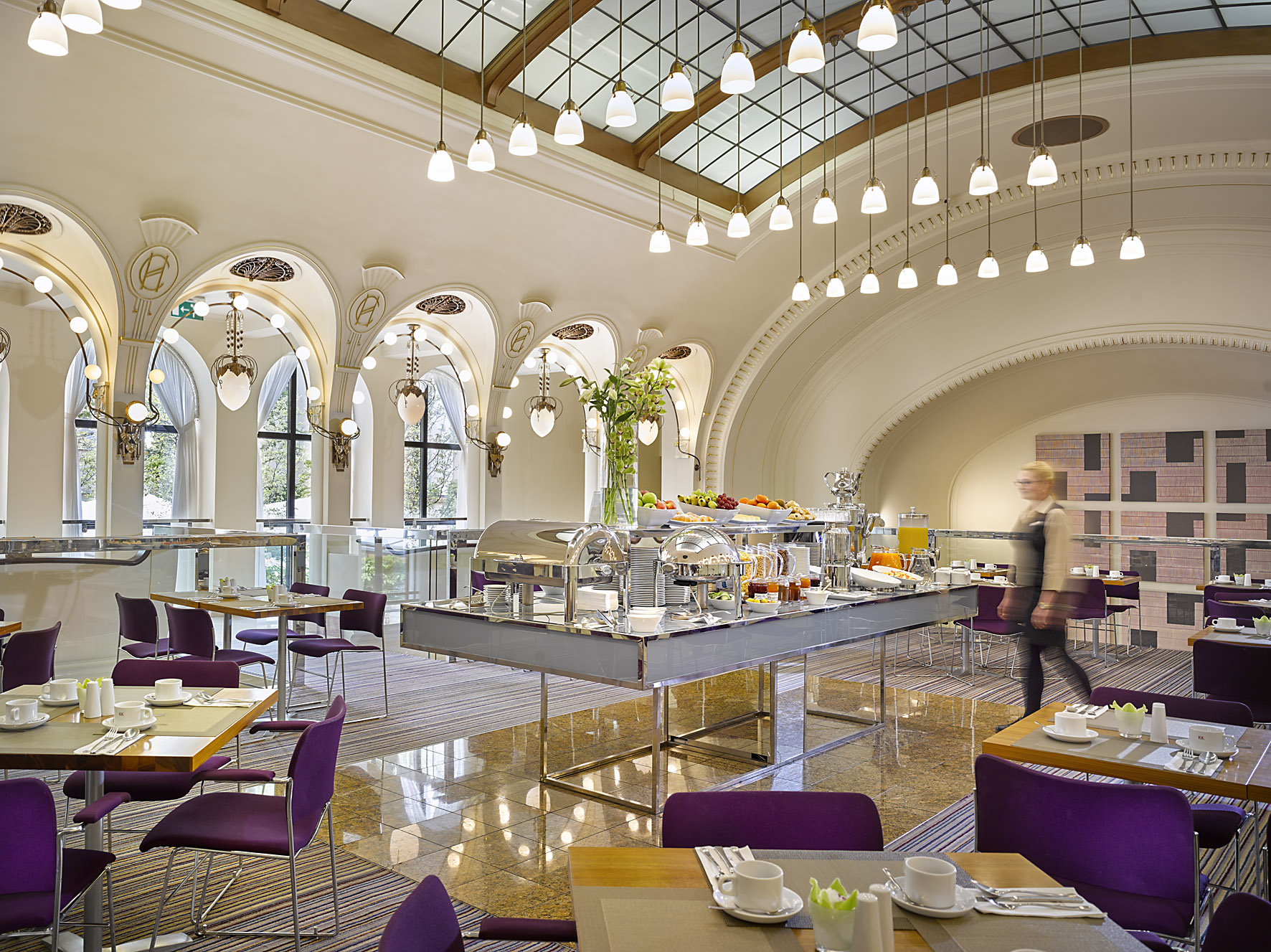
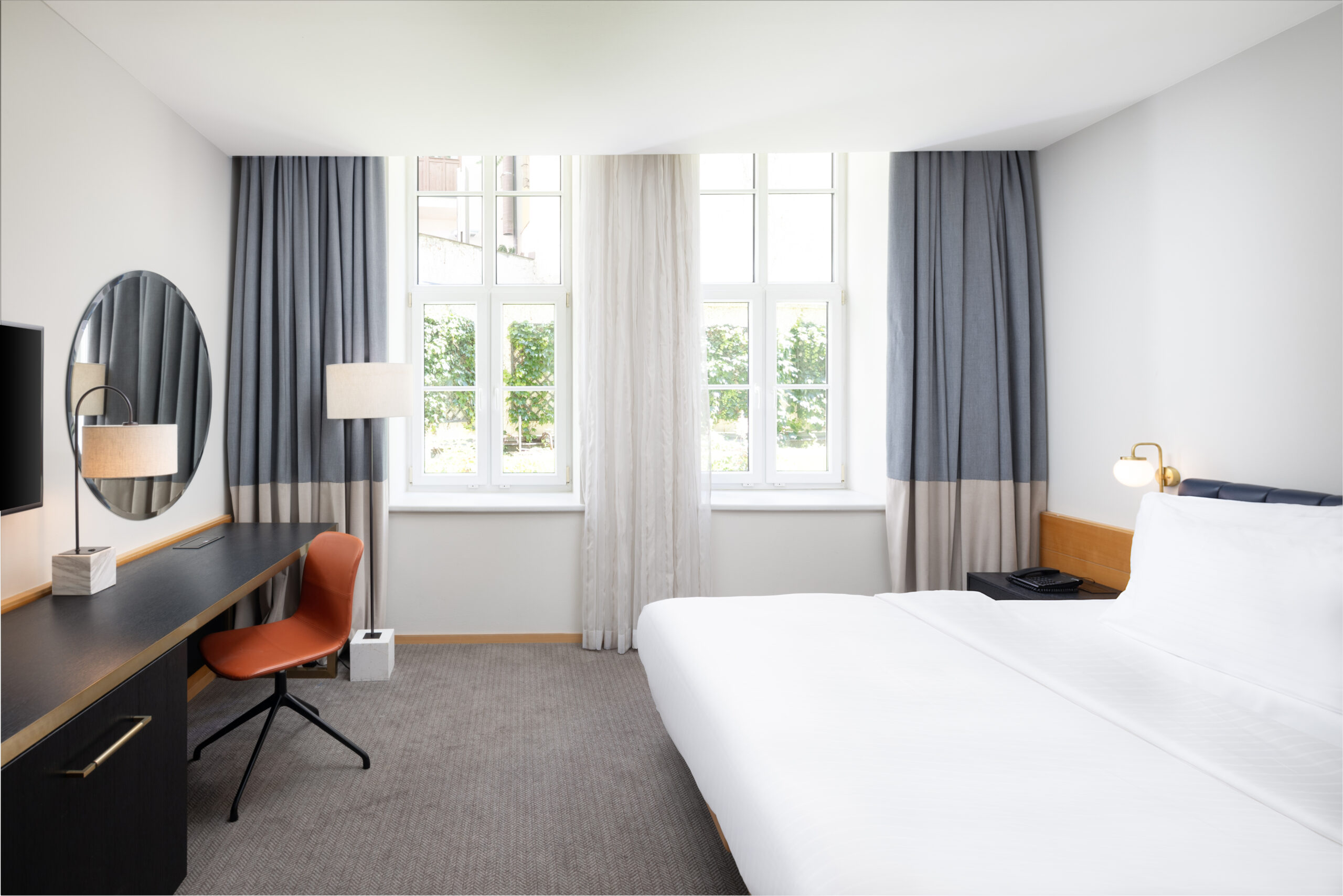
For guests staying in the heart of the city — whether at K+K Hotel Central, surrounded by the layered streets and quiet passages of the Old Town, or at K+K Hotel Fenix, closer to Prague’s broader avenues and the city’s quieter edges — this unfolding happens naturally on foot. From either starting point, Prague invites an exploration that is unhurried, intuitive, and deeply atmospheric.
It is no coincidence that modern fiction continues to return to Prague when searching for settings tied to hidden knowledge, intellectual pursuit, and coded histories. The city lends itself to such narratives not because it performs mystery, but because it has never fully abandoned it. Here, meaning is rarely singular. Every place seems capable of holding multiple interpretations at once.
This journey follows a quieter trail through Prague — not a checklist of highlights, not a guide in the traditional sense, but a way of seeing. It is a sequence of places where knowledge, silence, symbolism, and memory converge, forming a path that exists beneath the surface of the familiar city.
Unlock Prague's Secrets
Embark on a journey through Prague’s hidden world of symbols and legends. Follow in Robert Langdon’s footsteps and uncover the city’s mysterious side. Book ‘Prague: City of Secrets’ package now!

Klementinum
Knowledge, Order, and the Architecture of Thought
The journey begins, appropriately, with knowledge.
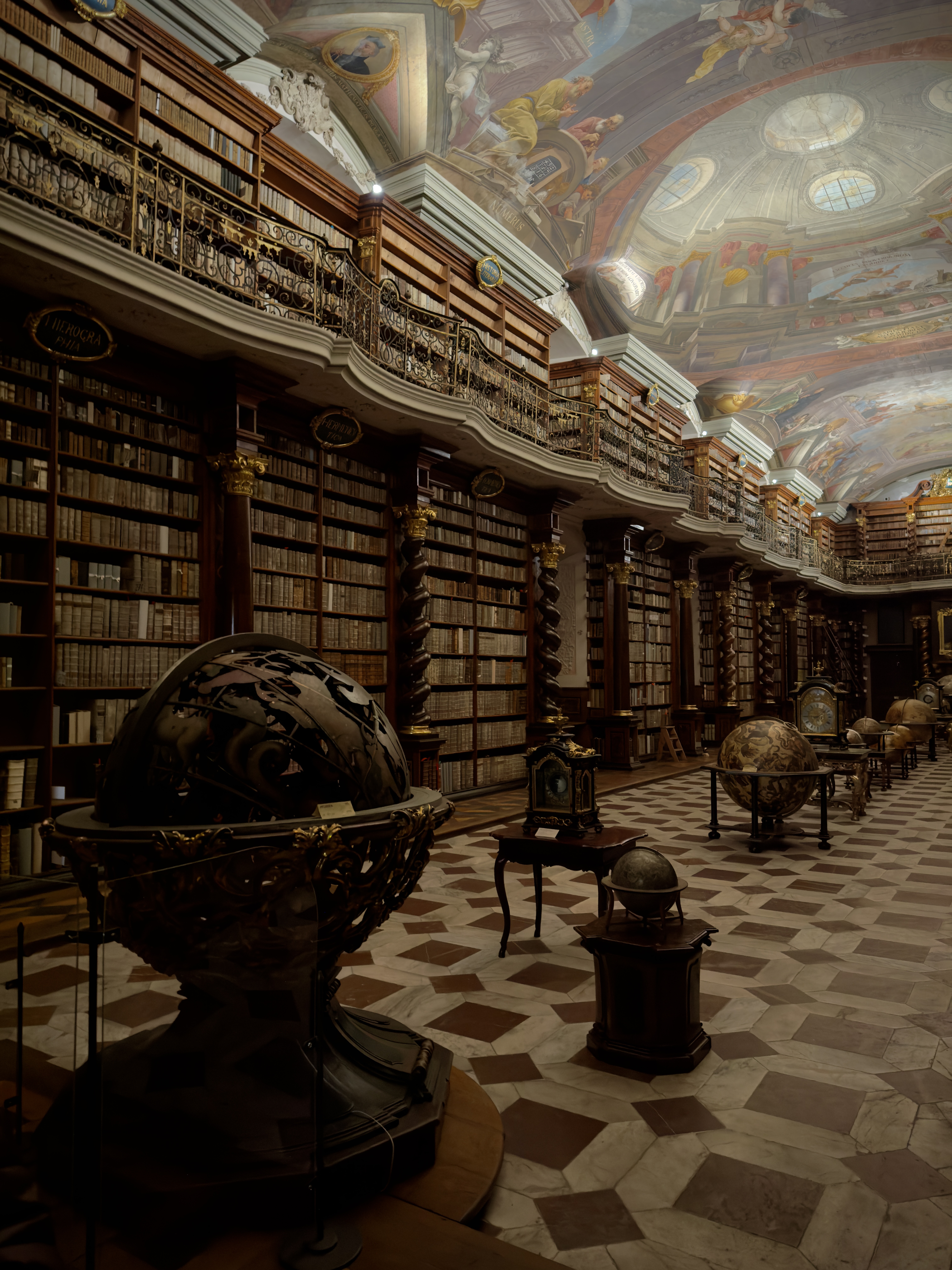
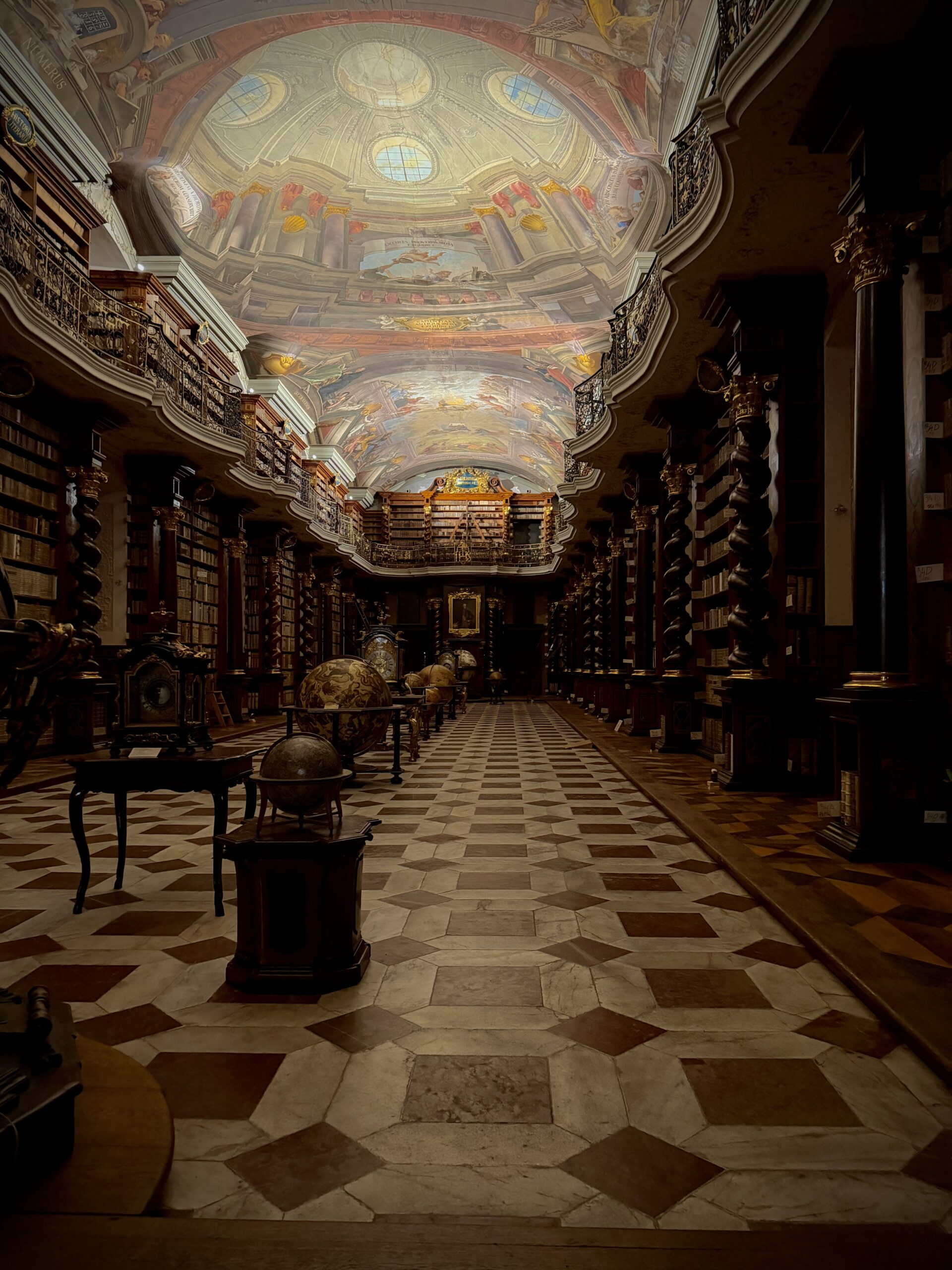
Hidden behind restrained façades near the river, the Klementinum reveals itself gradually, much like the city that surrounds it. Once one of the largest Jesuit complexes in Europe, it became a centre of learning where theology, philosophy, science, and observation existed in careful balance. Here, knowledge was not merely collected — it was organised, systematised, and believed to be a path toward understanding both the world and humanity’s place within it.

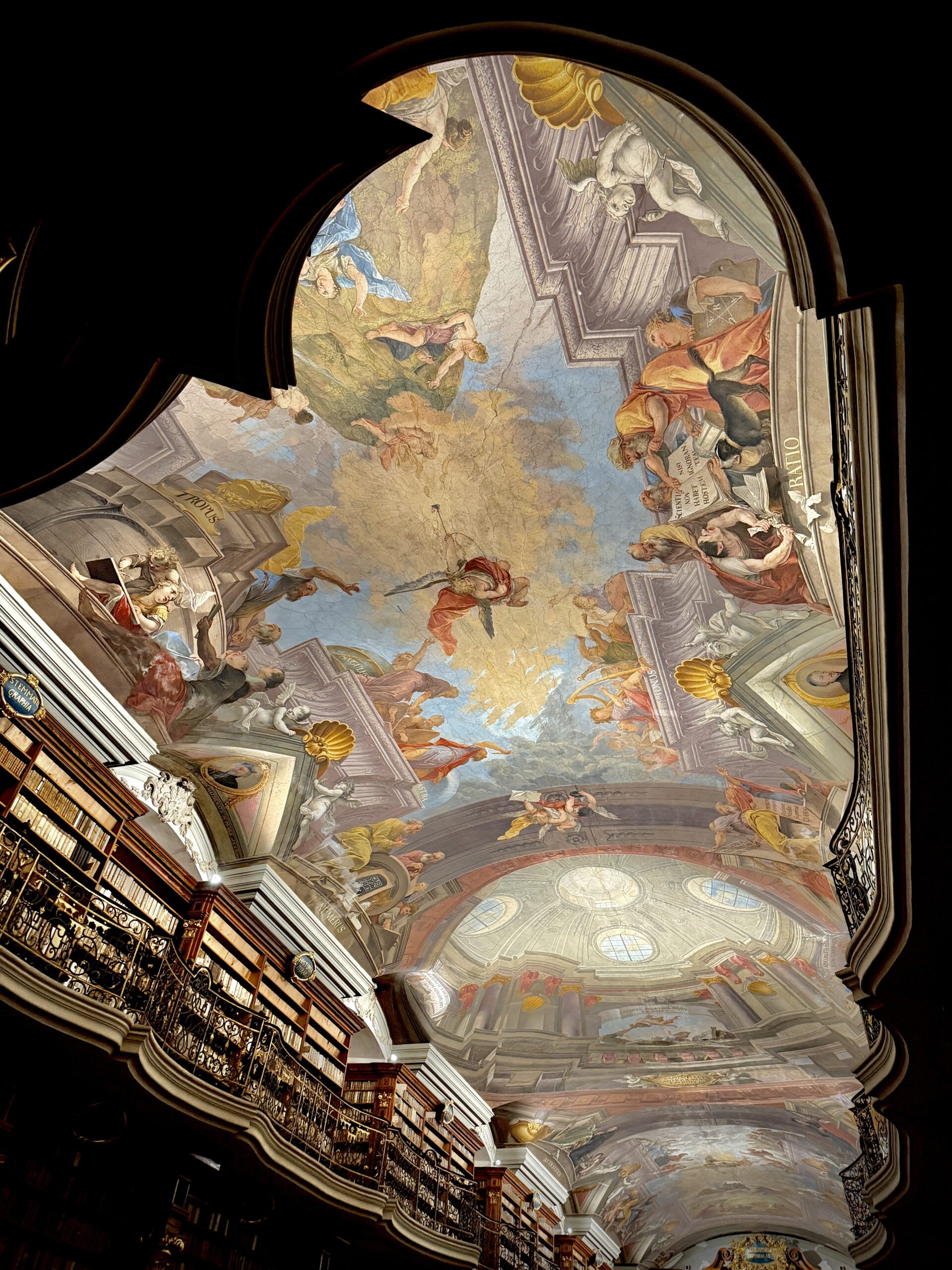
The Baroque Library, preserved almost unchanged for centuries, feels less like a room and more like a moment suspended in time. Painted ceilings depict allegories of learning and discovery, while shelves of ancient volumes suggest a confidence that knowledge could be catalogued, ordered, and ultimately mastered. Even without stepping inside, the presence of accumulated thought is unmistakable.
Above it all rises the Astronomical Tower — a quiet reminder that Prague has always looked both inward and outward. The city’s relationship with astronomy is not ornamental; it is foundational. Observation, measurement, and interpretation shaped Prague’s intellectual identity long before they became modern disciplines. The act of watching the sky was inseparable from questioning existence itself.
As a starting point, the Klementinum establishes the tone of the journey: measured, deliberate, and deeply rooted in the pursuit of understanding. From here, the trail moves outward — away from systems and certainty, toward ambiguity and transition.
Charles Bridge
A Passage Between Worlds
Leaving the ordered world of knowledge, the path leads naturally toward the river.
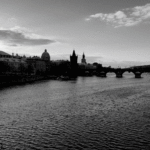
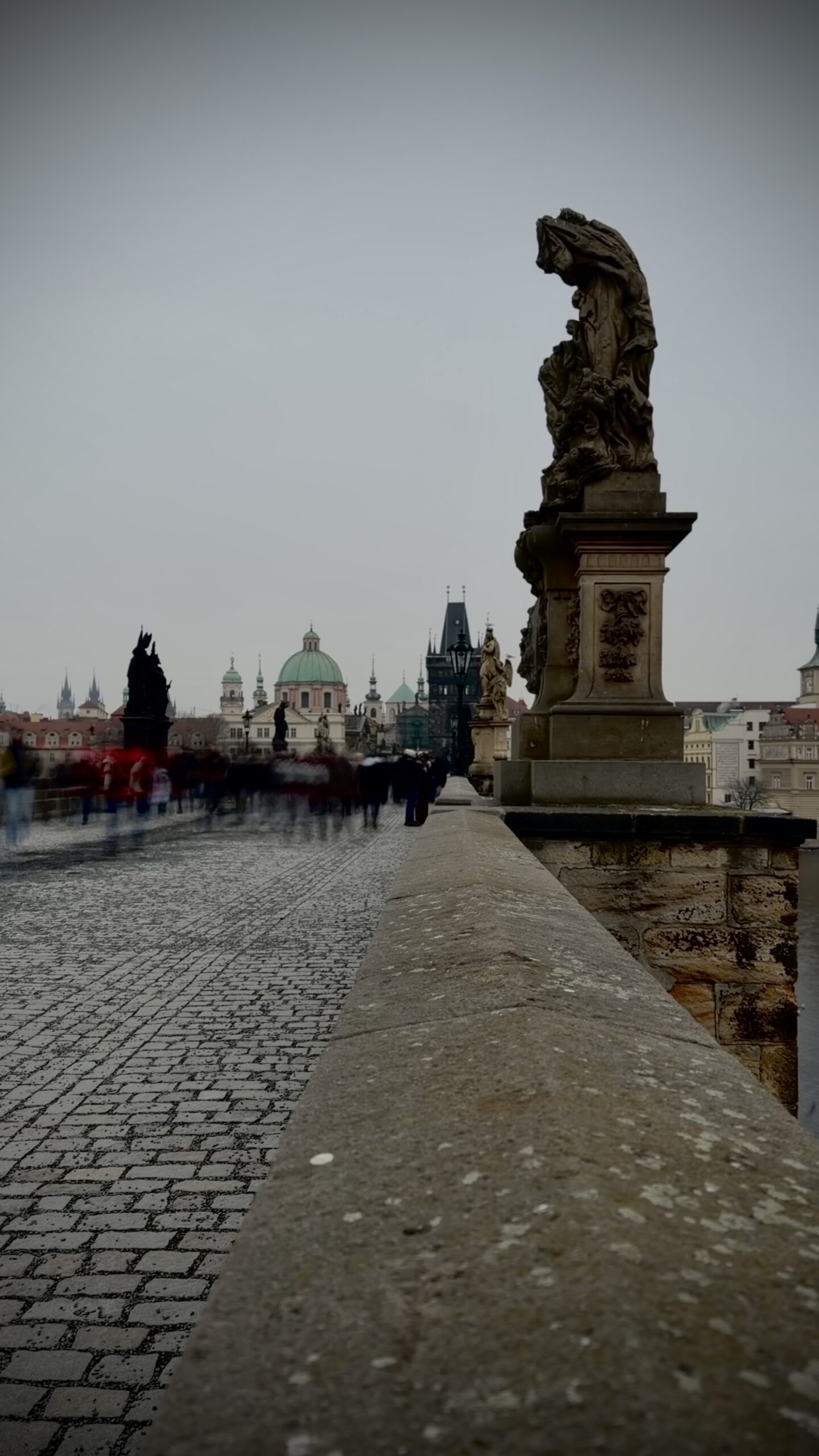
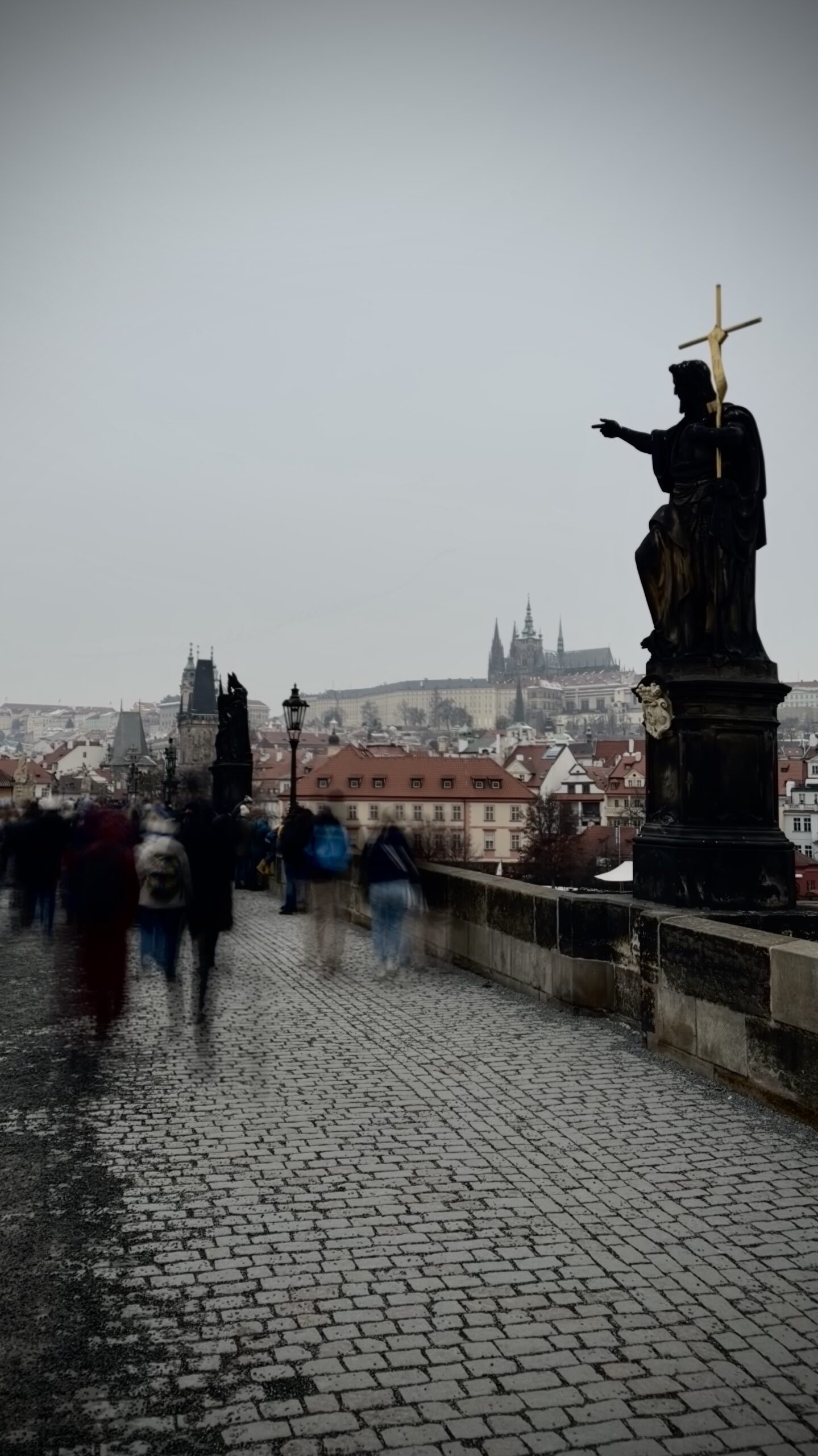
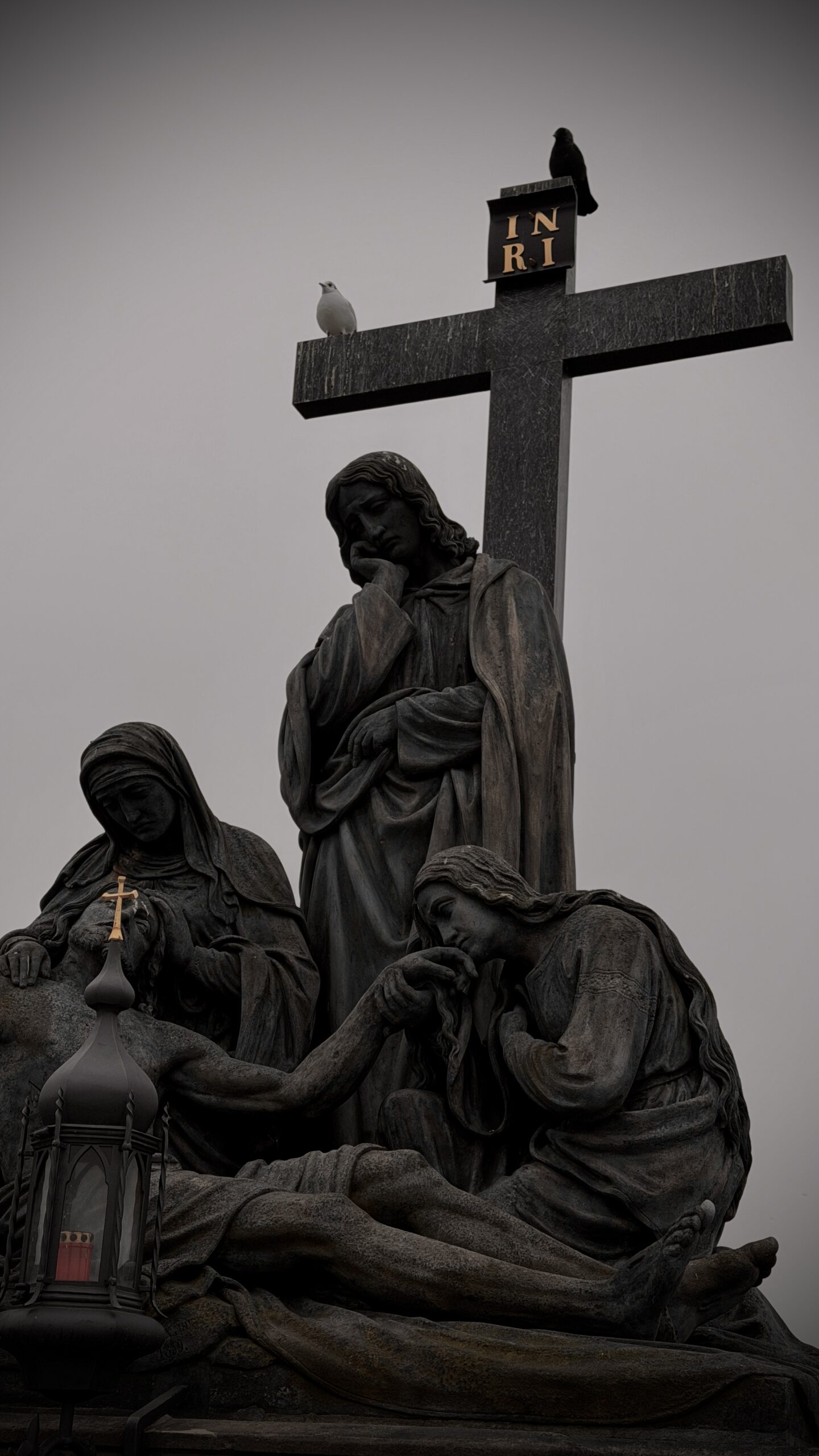
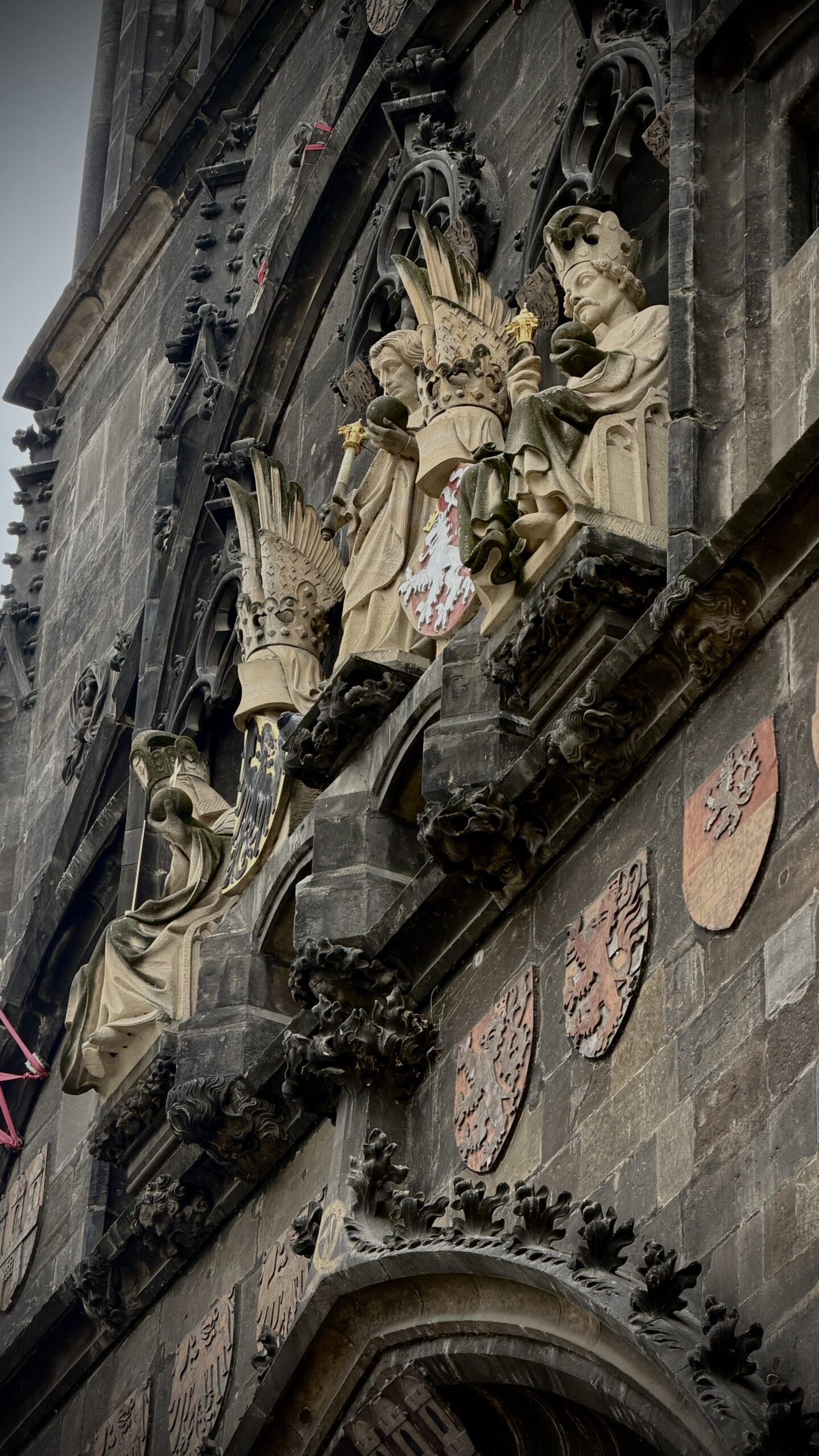
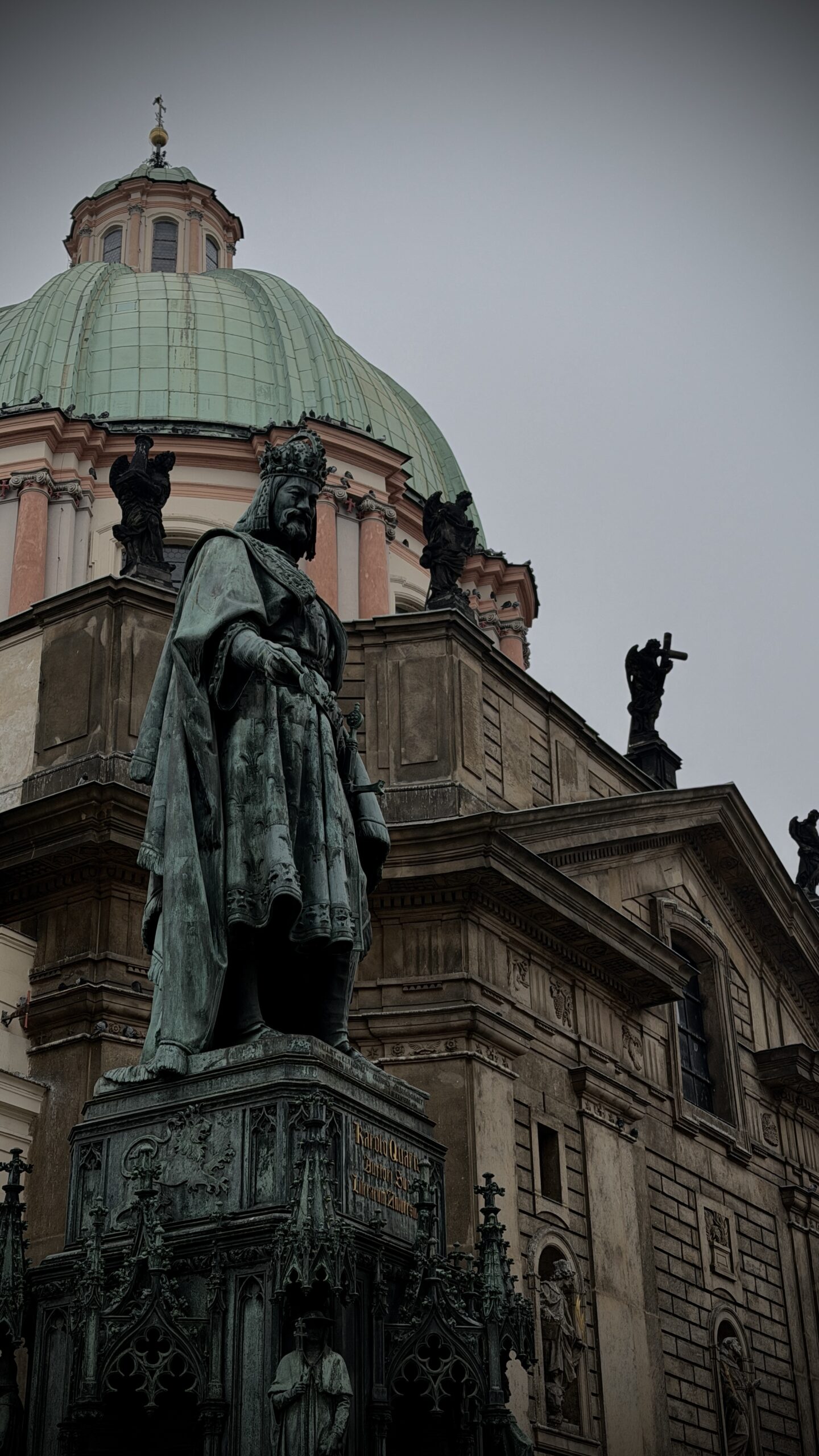
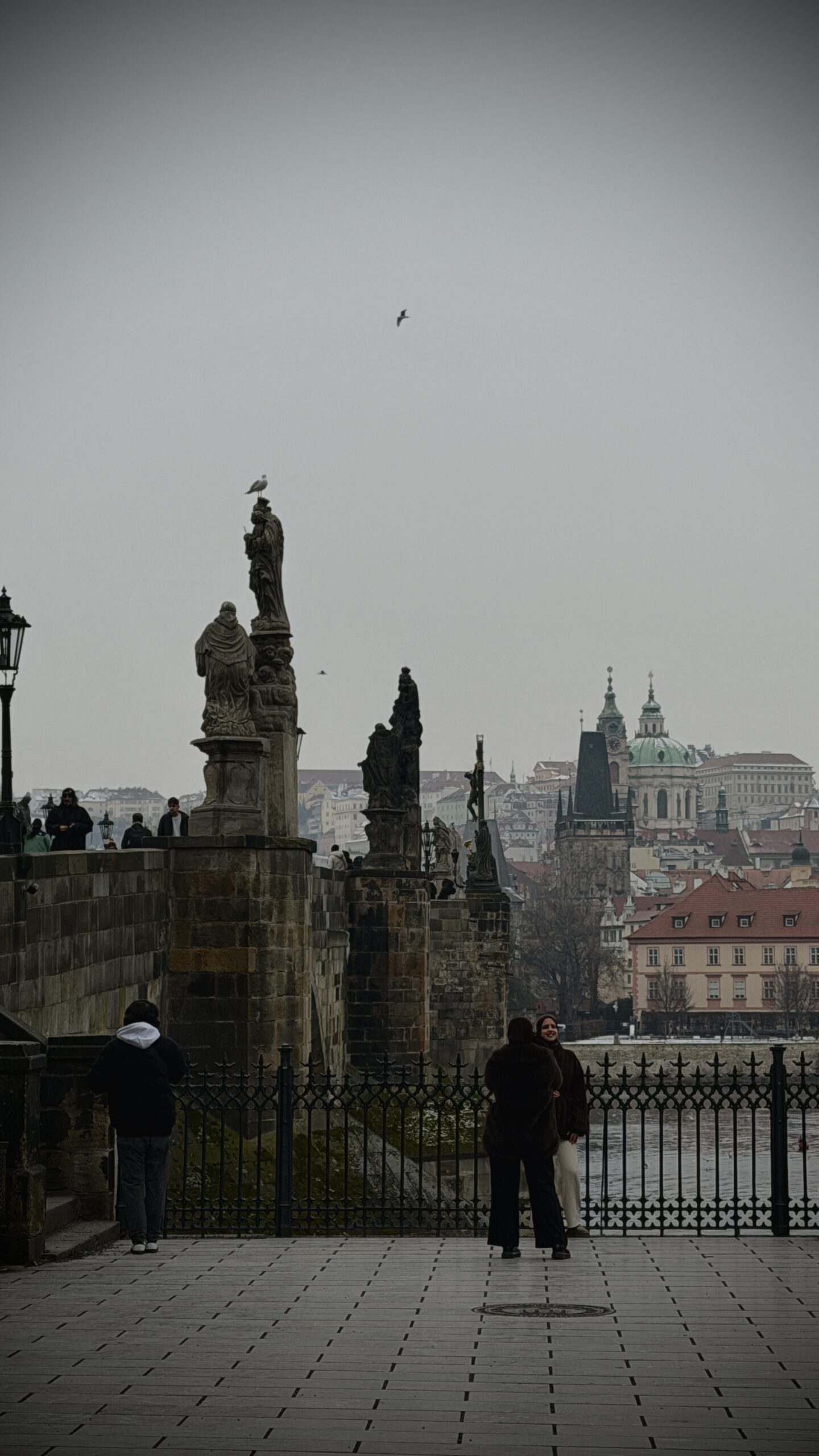
Crossing Charles Bridge is never simply about reaching the other side. For centuries, it has functioned as a threshold — between districts, between eras, between the sacred and the secular. Its statues do not decorate the bridge so much as guard it, standing as silent witnesses to generations of travellers who passed beneath them without fully grasping their
symbolism.
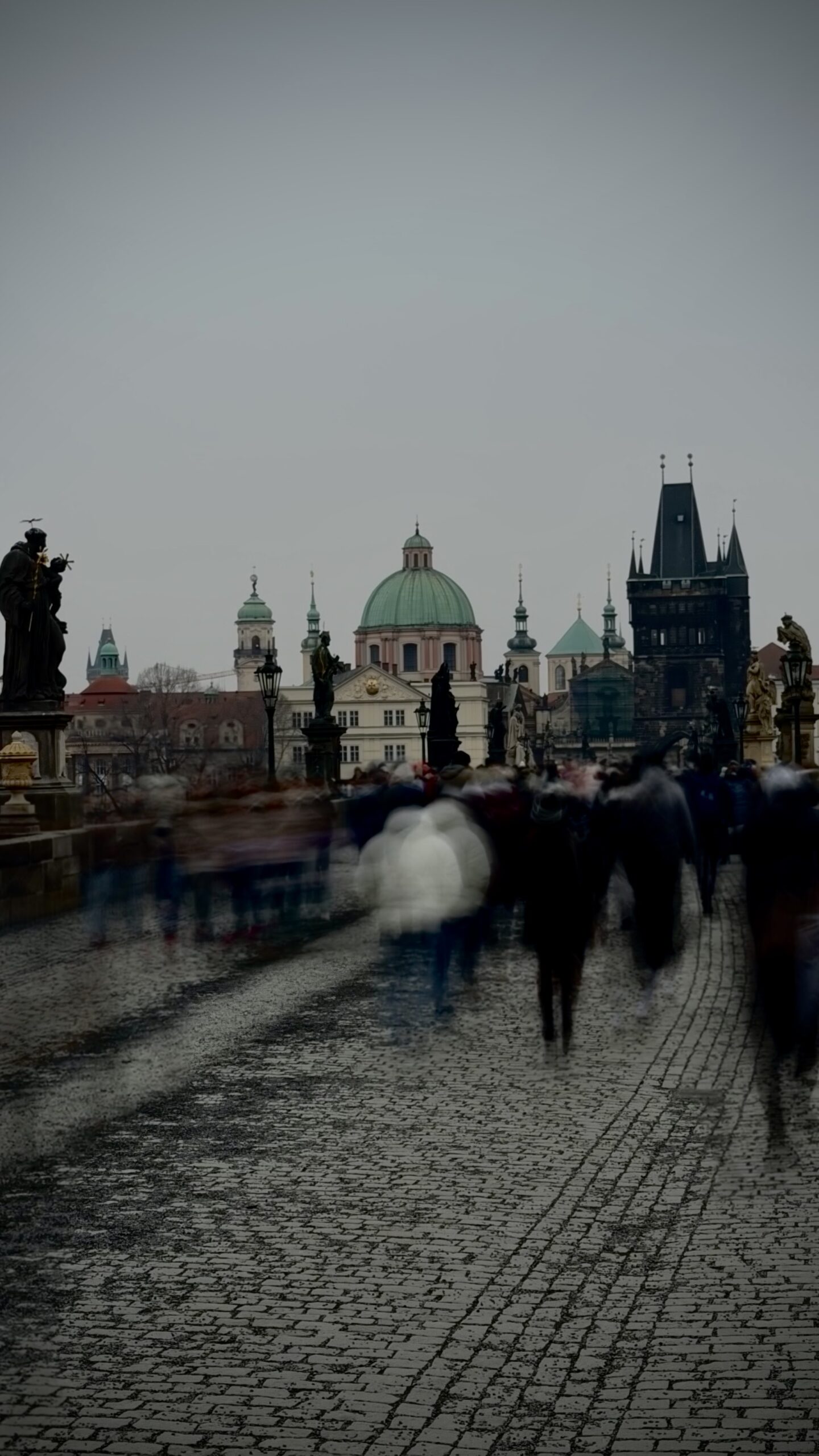
In quieter hours, when footsteps echo softly and the Vltava reflects muted light, the bridge takes on an almost ceremonial quality. Each step becomes intentional. Each pause feels earned. The city behind begins to recede, while the one ahead remains undefined, suspended in possibility.
In narratives shaped by intellectual tension and discovery, bridges rarely exist by chance. They mark moments of transformation — from certainty to doubt, from the known to the unknown. Charles Bridge performs this role effortlessly, allowing the city itself to guide the story forward without instruction.
Crossing it, one senses a subtle shift. The logic of knowledge gives way to something less structured, more intuitive. The journey continues into a part of Prague where meaning is no longer organised, but discovered through movement.
Old Town Square and the Streets Beyond
The Labyrinth Beneath the Surface
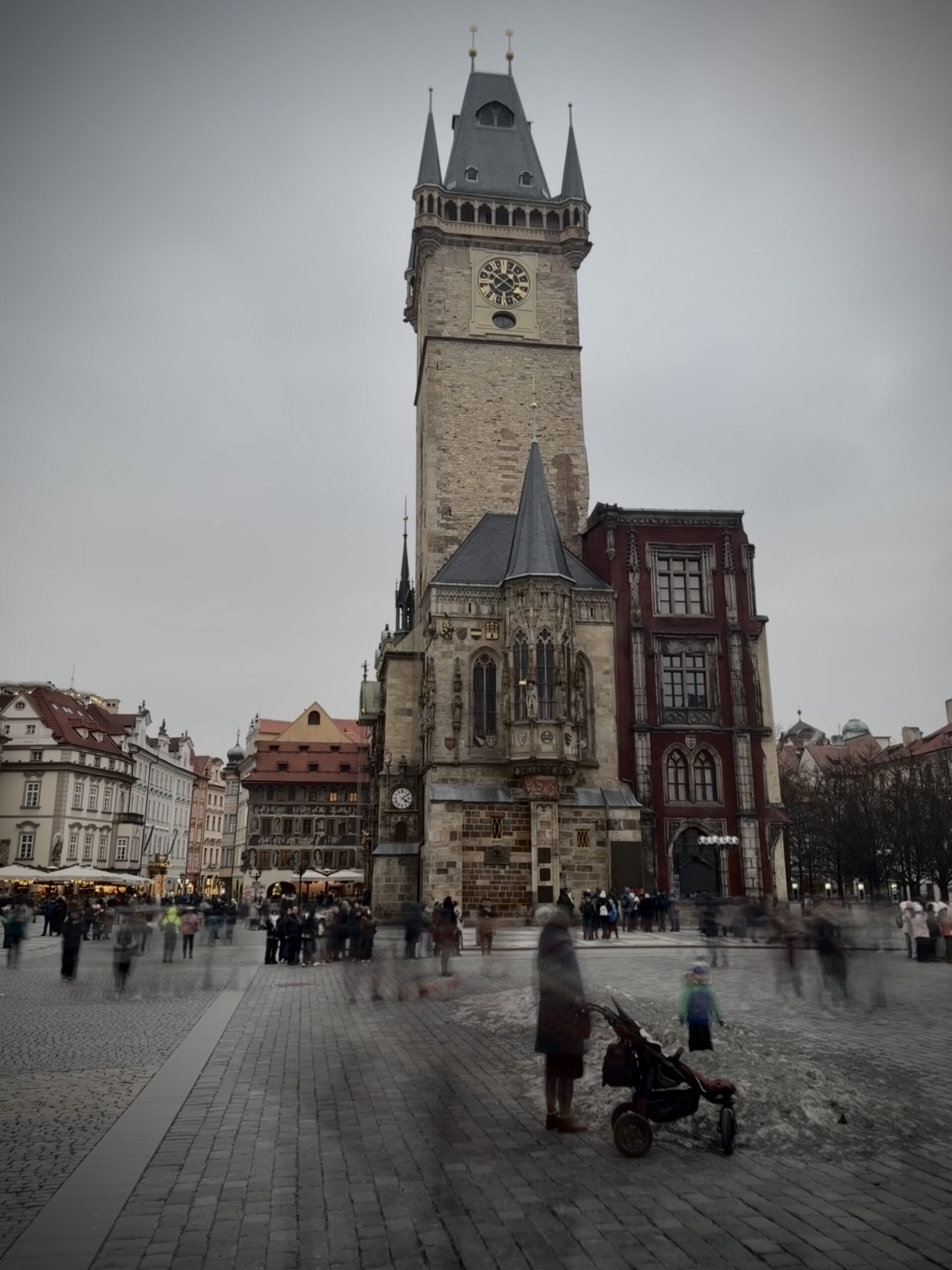
Old Town Square is often mistaken for a conclusion. In truth, it is a beginning.
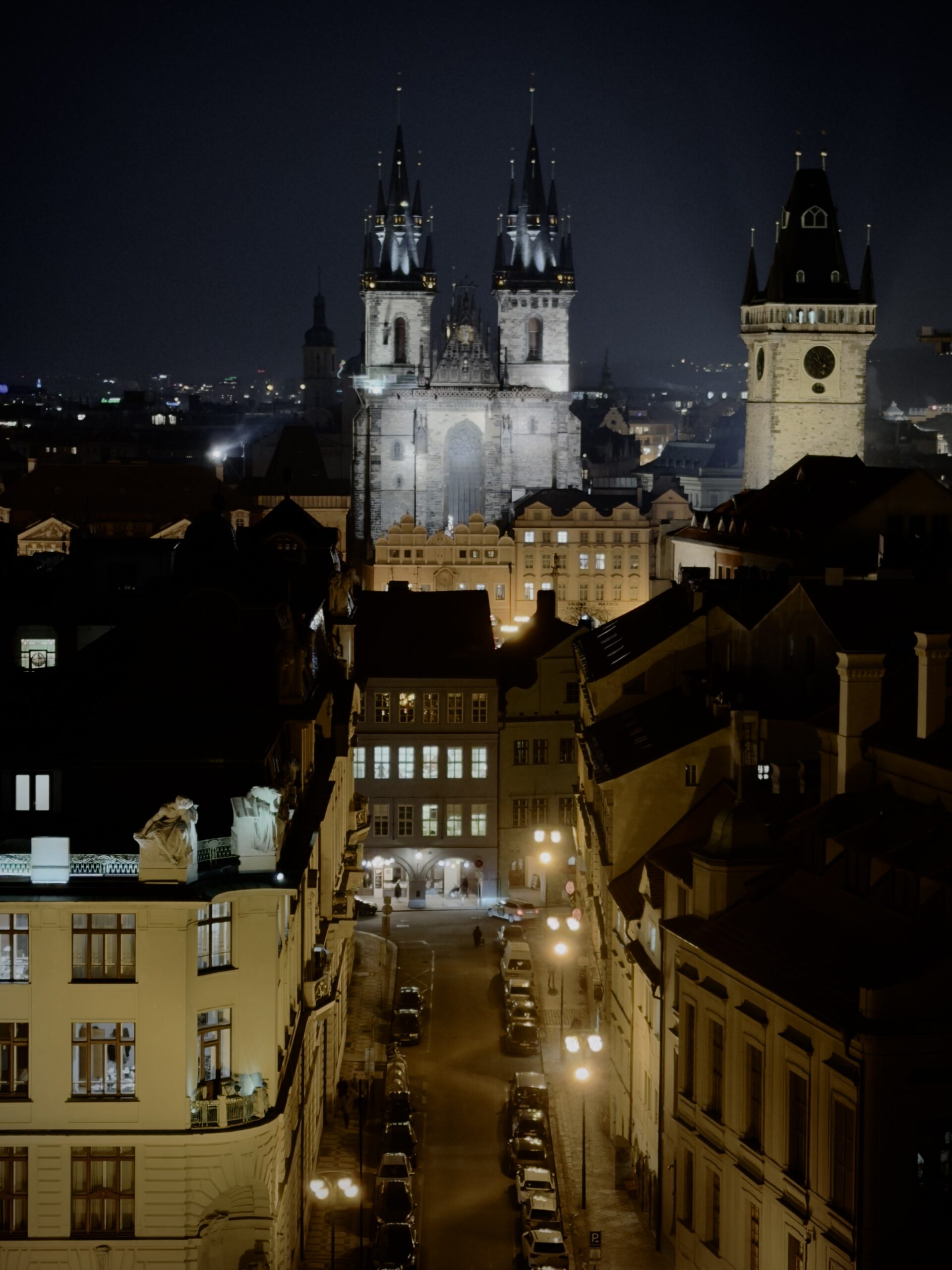
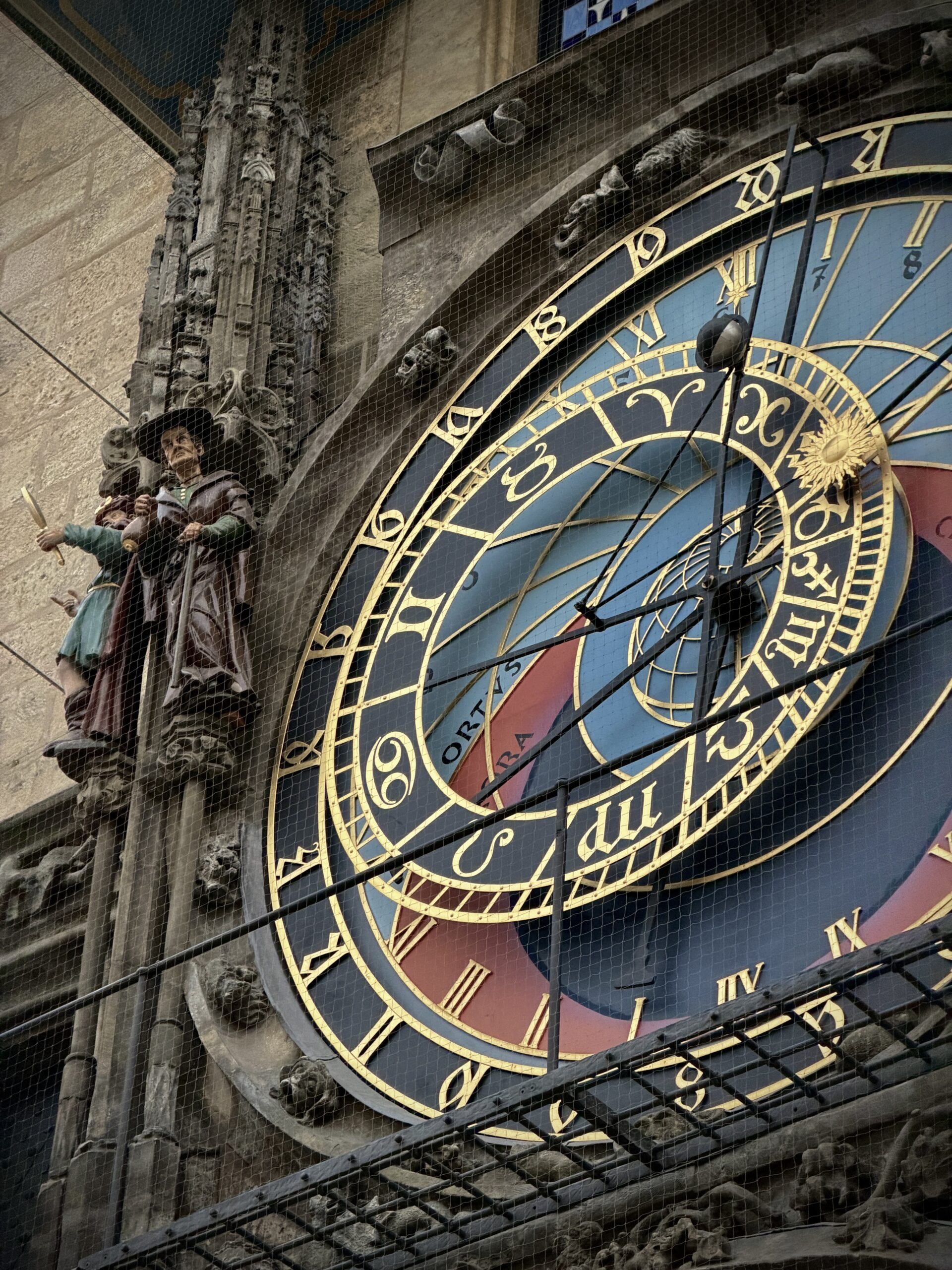
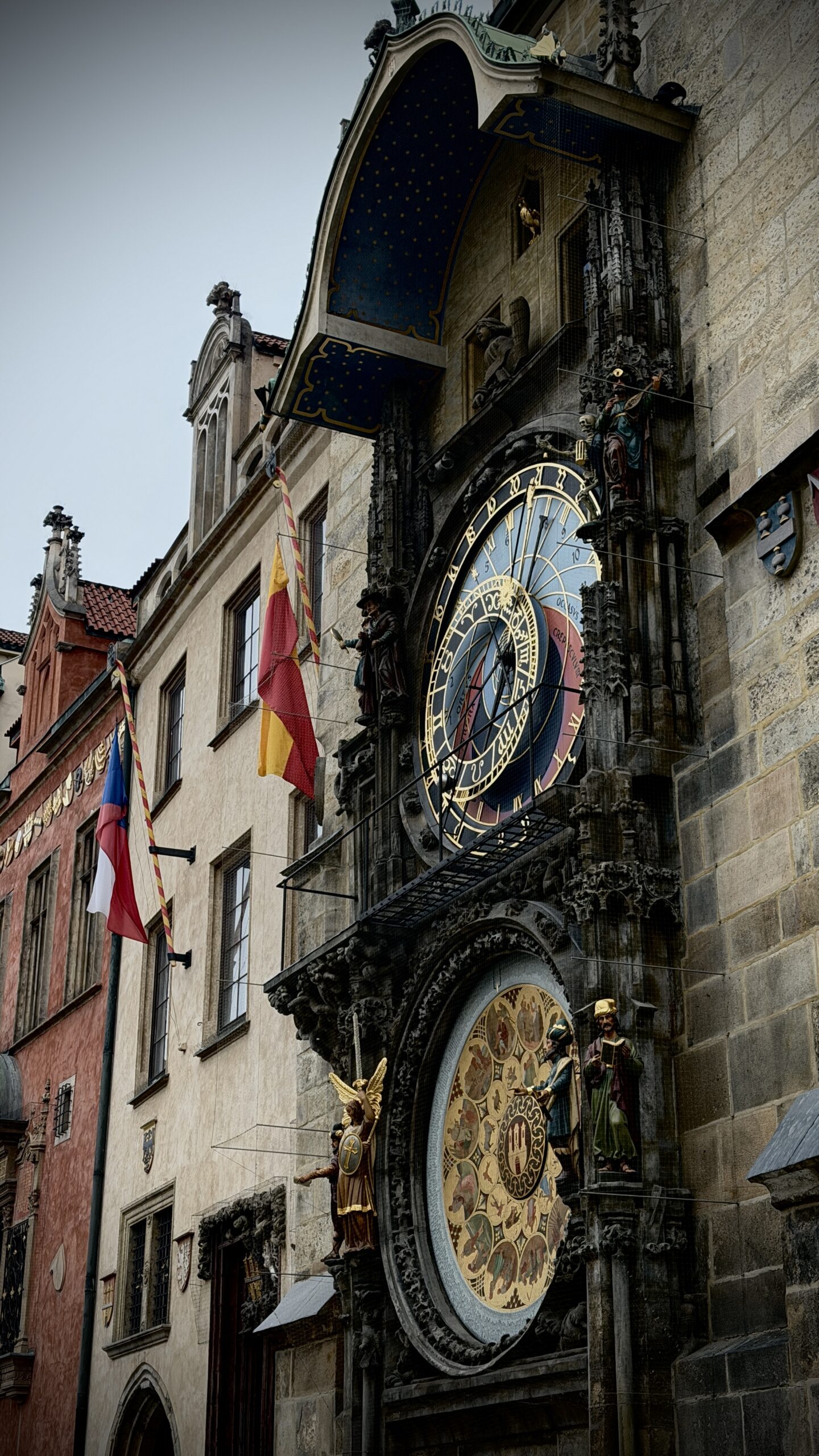
While the square itself commands attention with its spires, façades, and instruments of time, its true character lies just beyond its edges. Narrow streets branch outward unpredictably, refusing modern logic or symmetry. They twist, narrow, and widen without warning, encouraging disorientation rather than clarity.
Here, Prague becomes a labyrinth — not one designed to confuse, but one that demands attentiveness. Direction becomes secondary to observation. Each corner reveals fragments: a carved symbol above a doorway, a quiet courtyard hidden behind an arch, a passage that feels too silent for its central location.
This is where the city’s manuscript becomes most apparent. Layers of history overlap without hierarchy. Medieval foundations support Baroque façades; Gothic shadows fall across modern shopfronts. Nothing fully replaces what came before.
For those staying nearby, particularly around the refined calm of Hotel Central, these streets become part of a daily rhythm. The city unfolds not through intention, but through curiosity. A turn taken without purpose leads to discovery; a pause reveals something easily missed.
This is Prague at its most instinctive — a city that reveals meaning through movement rather than monuments
Josefov
Memory, Silence, and Endurance
From the labyrinth of Old Town, the trail moves into a space where mystery gives way to memory.
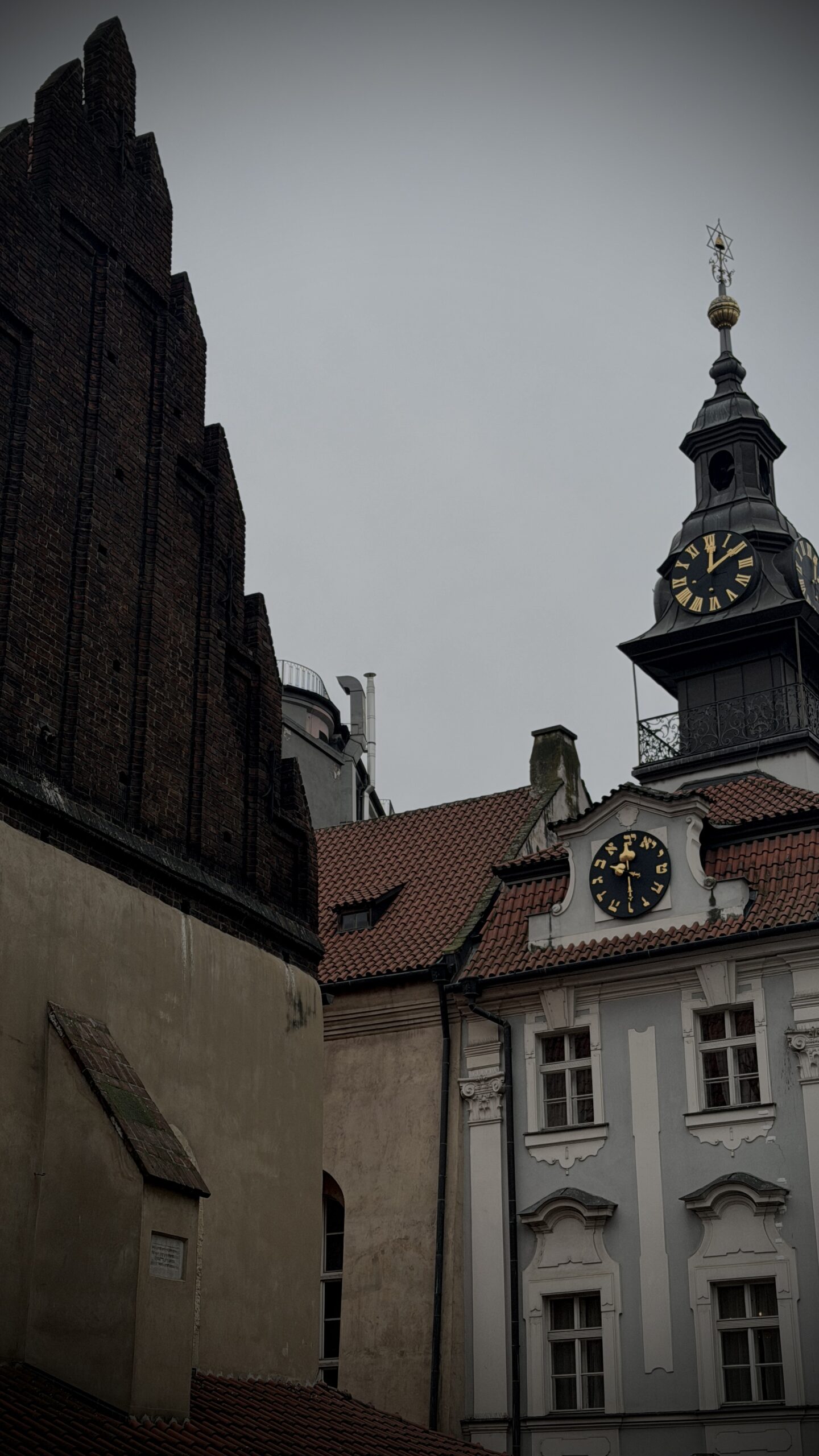
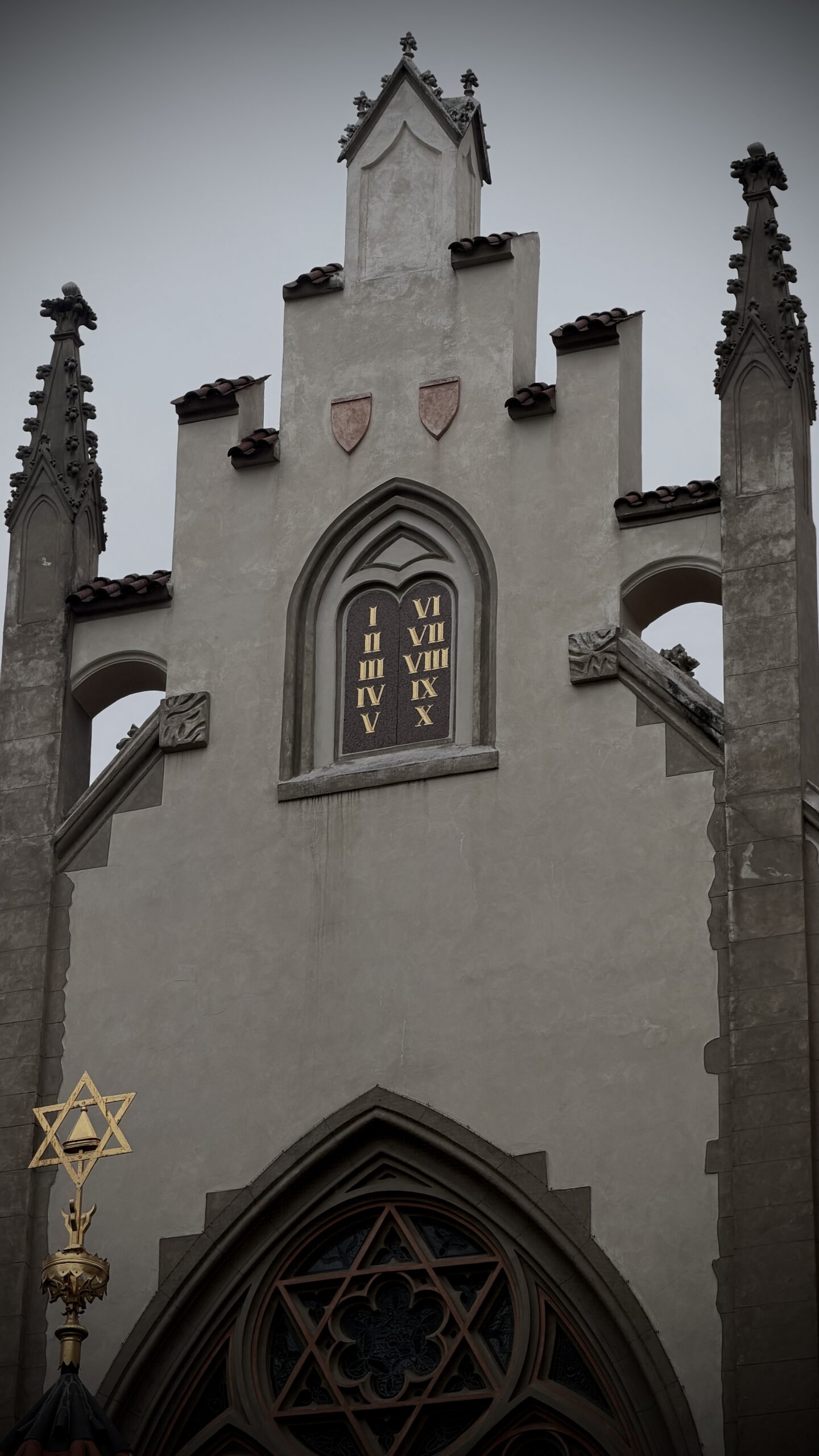
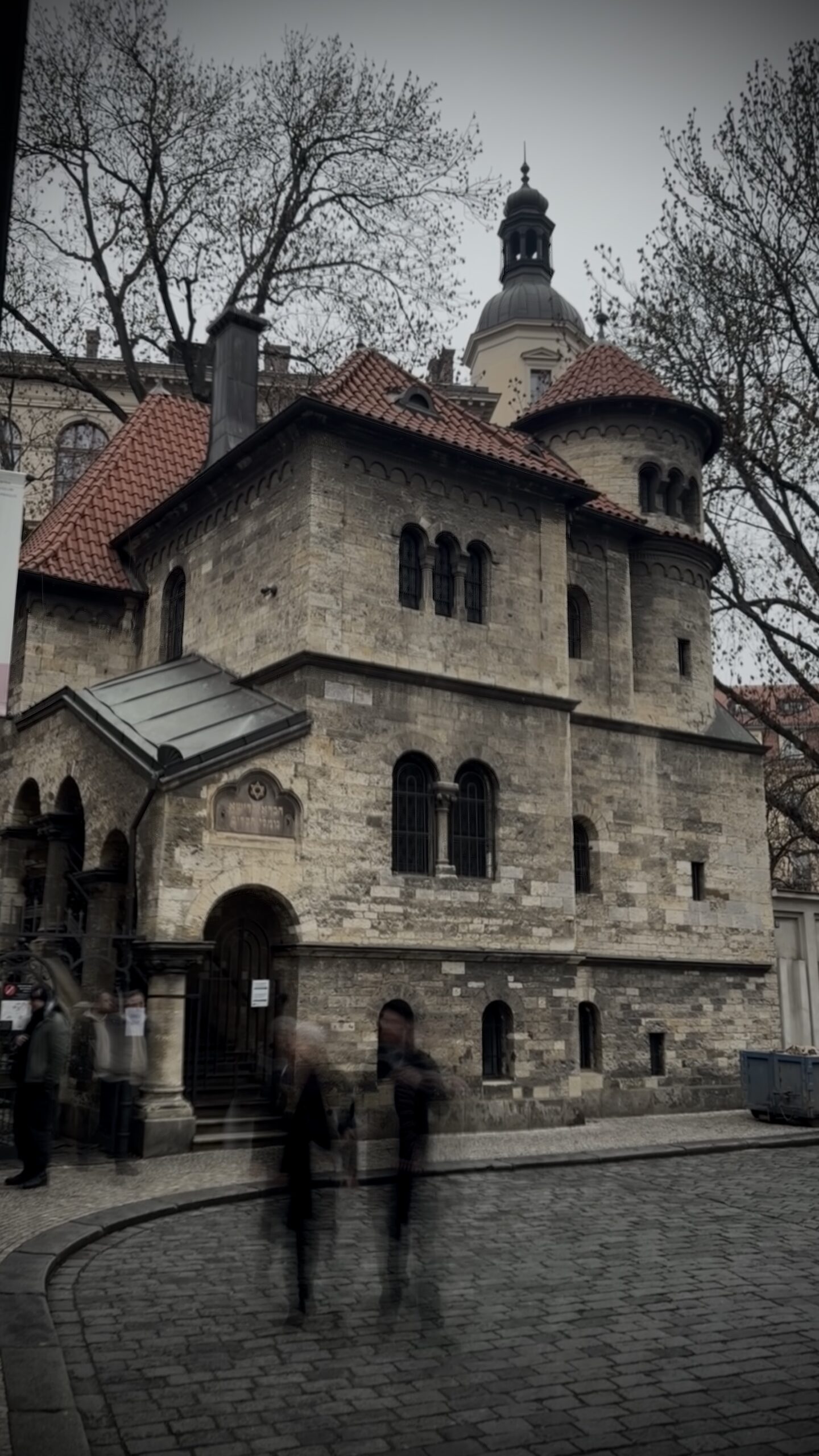
Josefov, Prague’s Jewish Quarter, carries a weight unlike any other part of the city. Its synagogues and cemetery do not invite interpretation or speculation. They ask instead for presence — and for restraint.
The Old-New Synagogue stands with quiet authority, shaped by centuries of continuity rather than ornament. Nearby, the Old Jewish Cemetery rises unevenly, its gravestones layered upon one another, compressing generations into limited space. History here is not linear; it is vertical.
This is not a place for dramatic revelation. It is a place where silence holds meaning, and where endurance speaks louder than symbols. Ending the central part of the journey here shifts the narrative, reminding us that not all secrets are puzzles to be solved. Some are truths to be remembered.
Leaving Josefov, the city begins to thin. The dense concentration of symbols and stories loosens, and the path leads outward — toward quieter districts and spaces shaped less by spectacle and more by function.
Crucifix Bastion and Folimanka Park
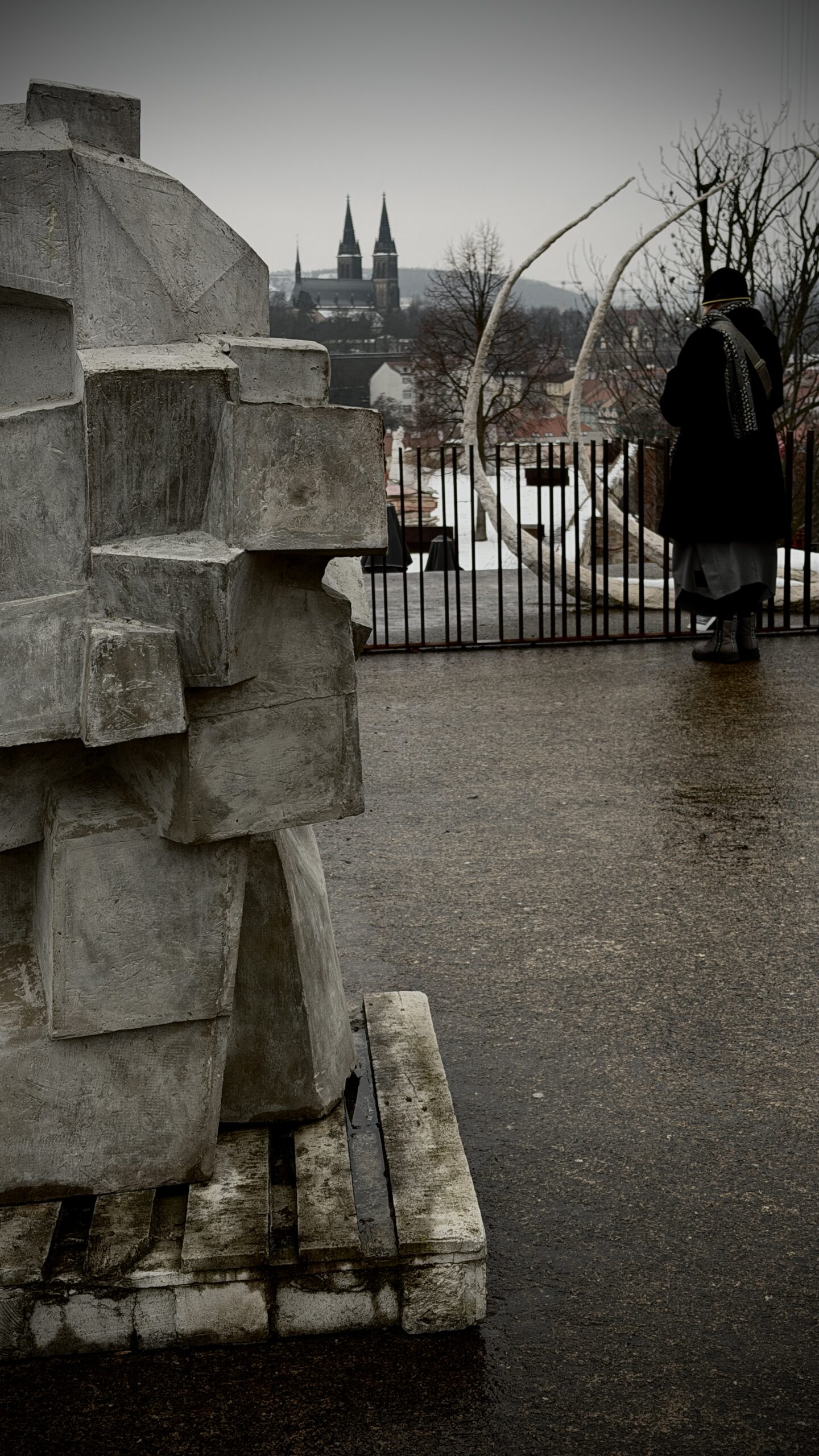
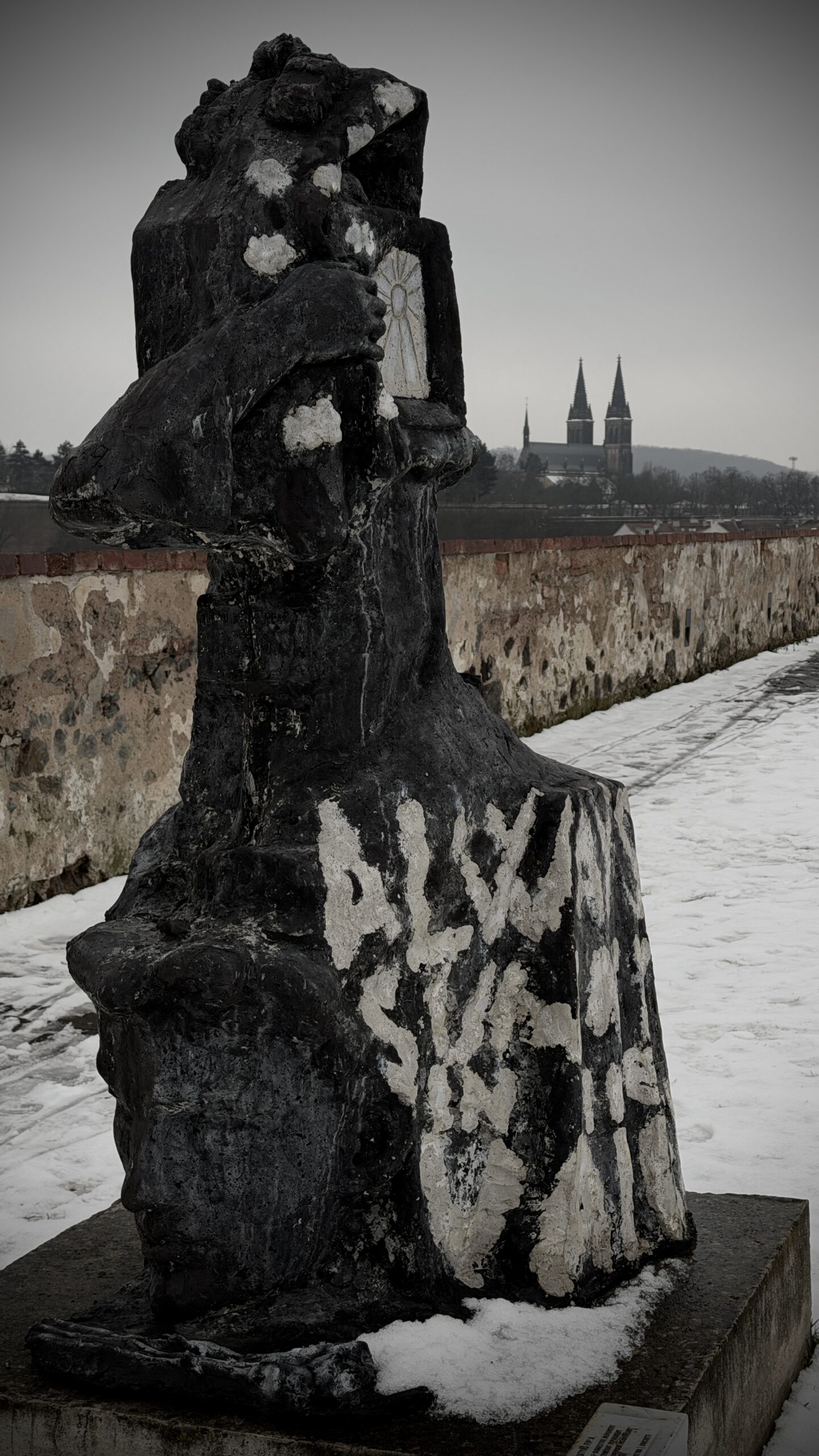
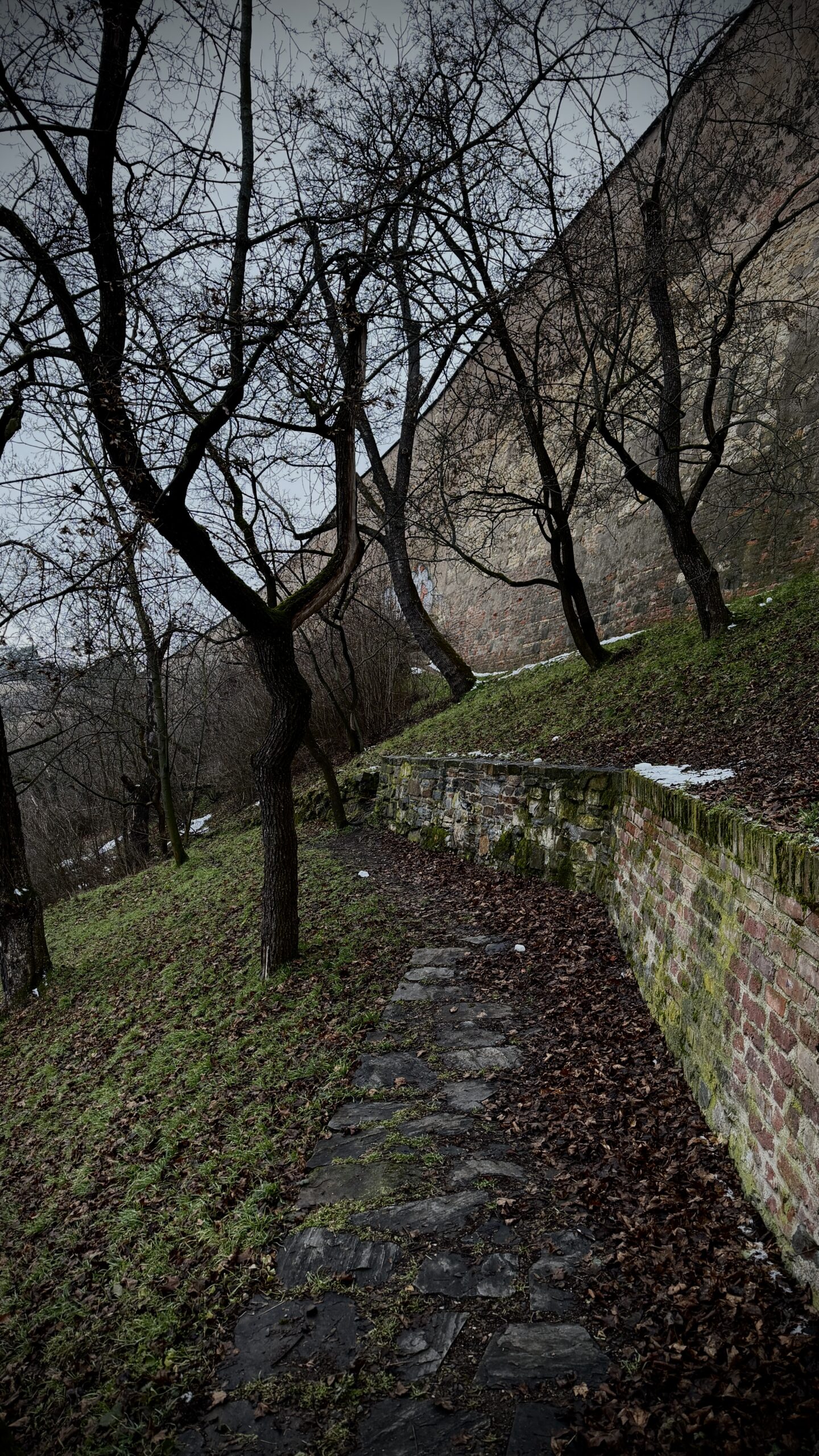
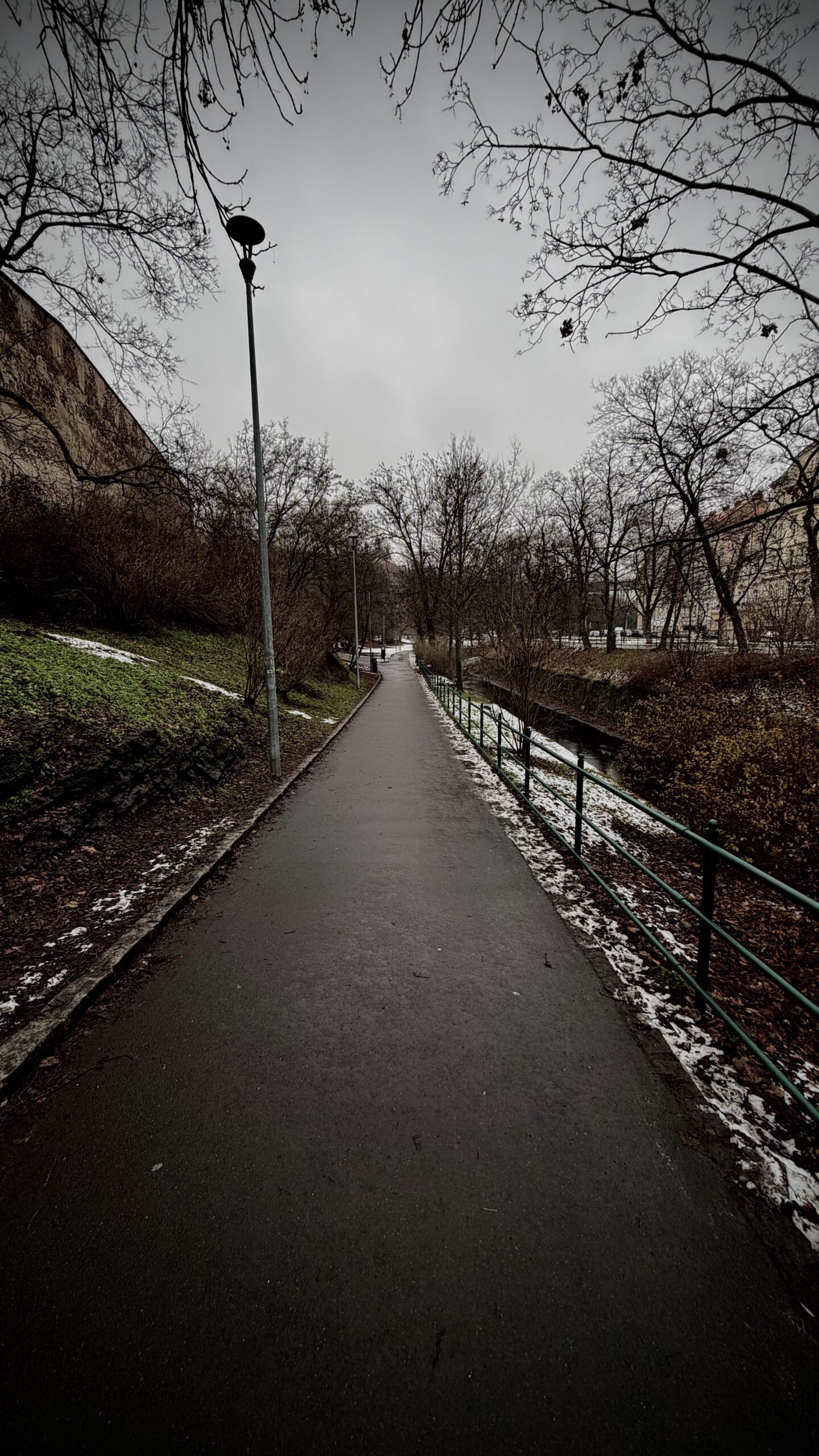
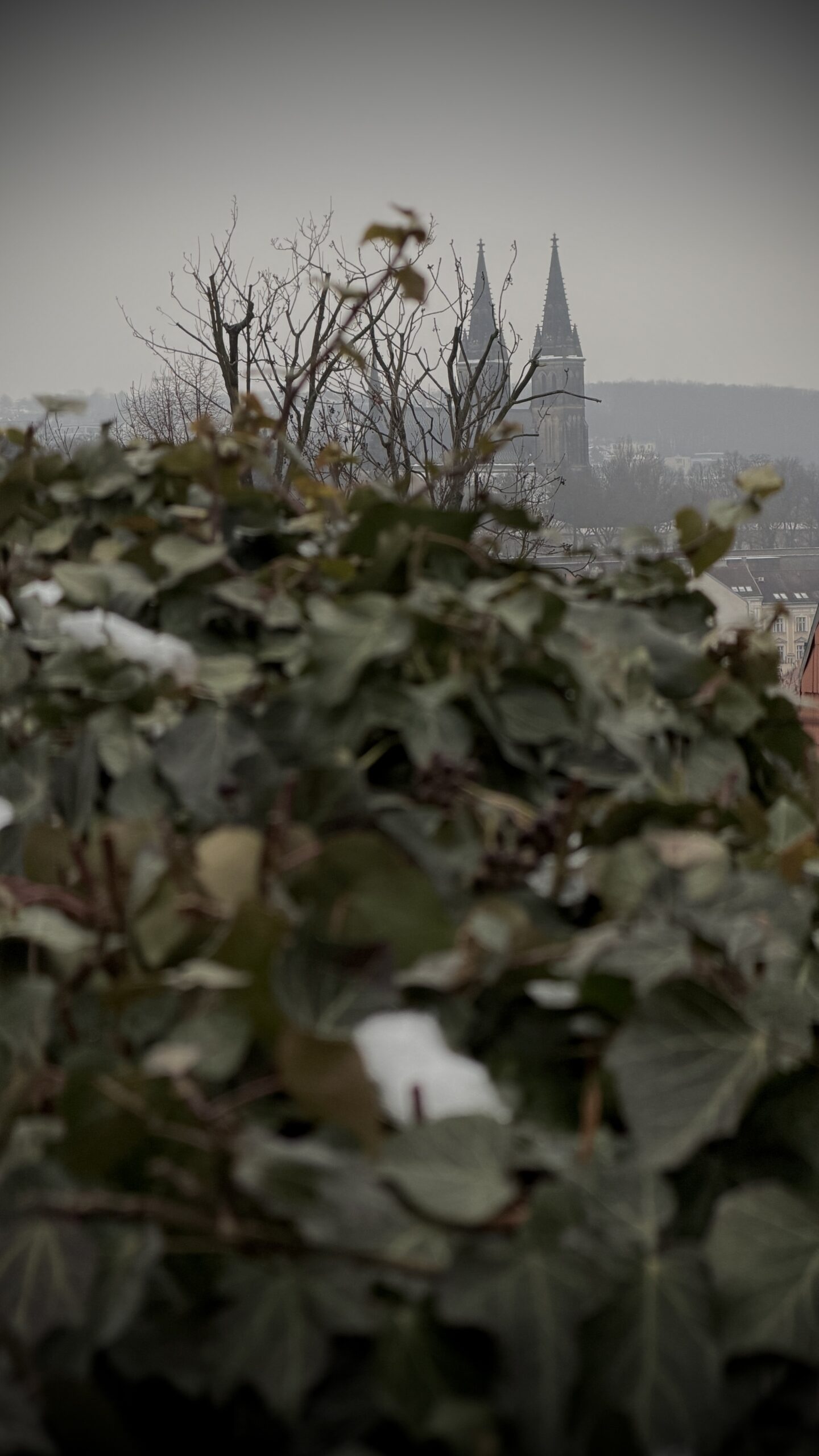
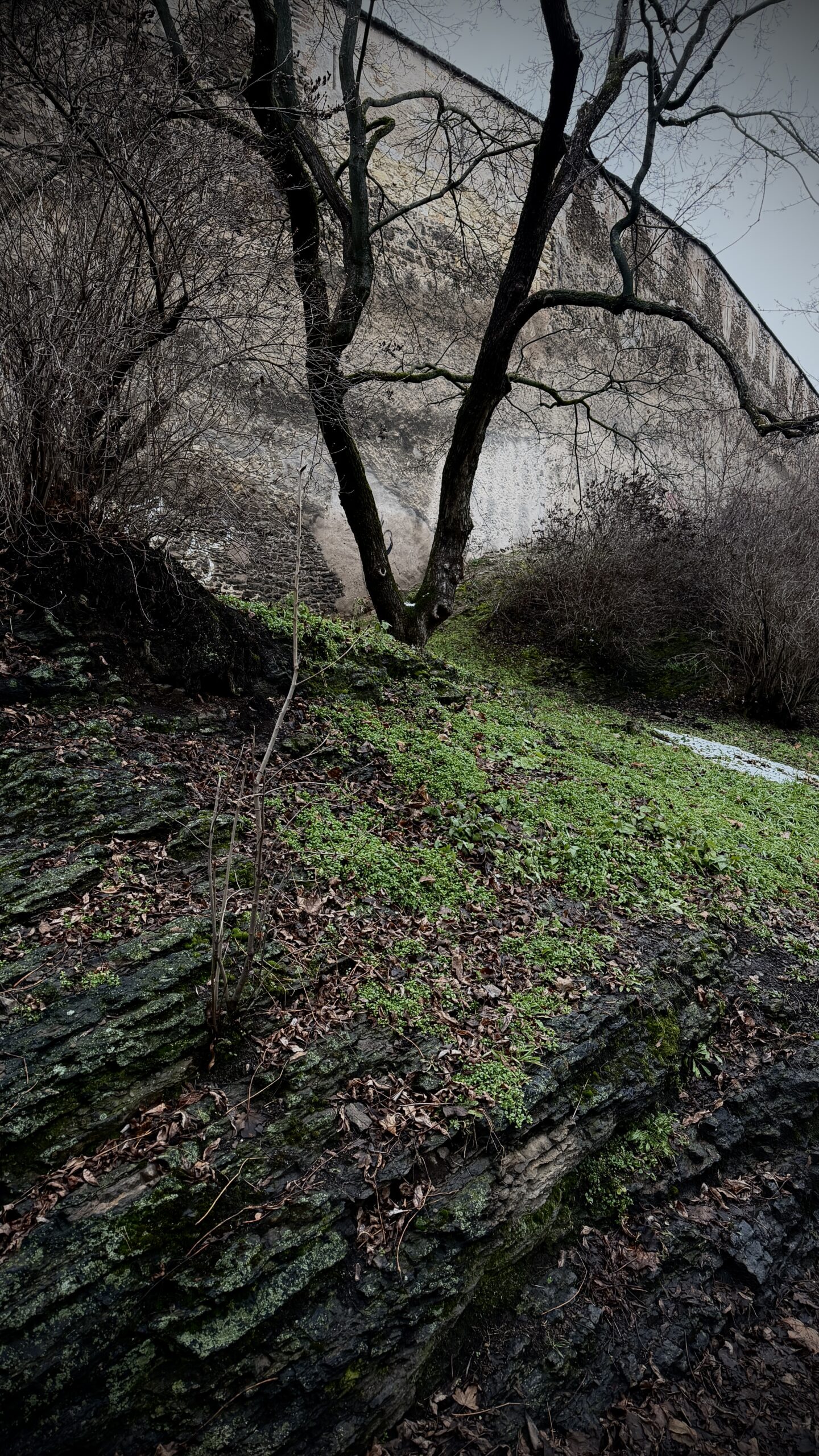
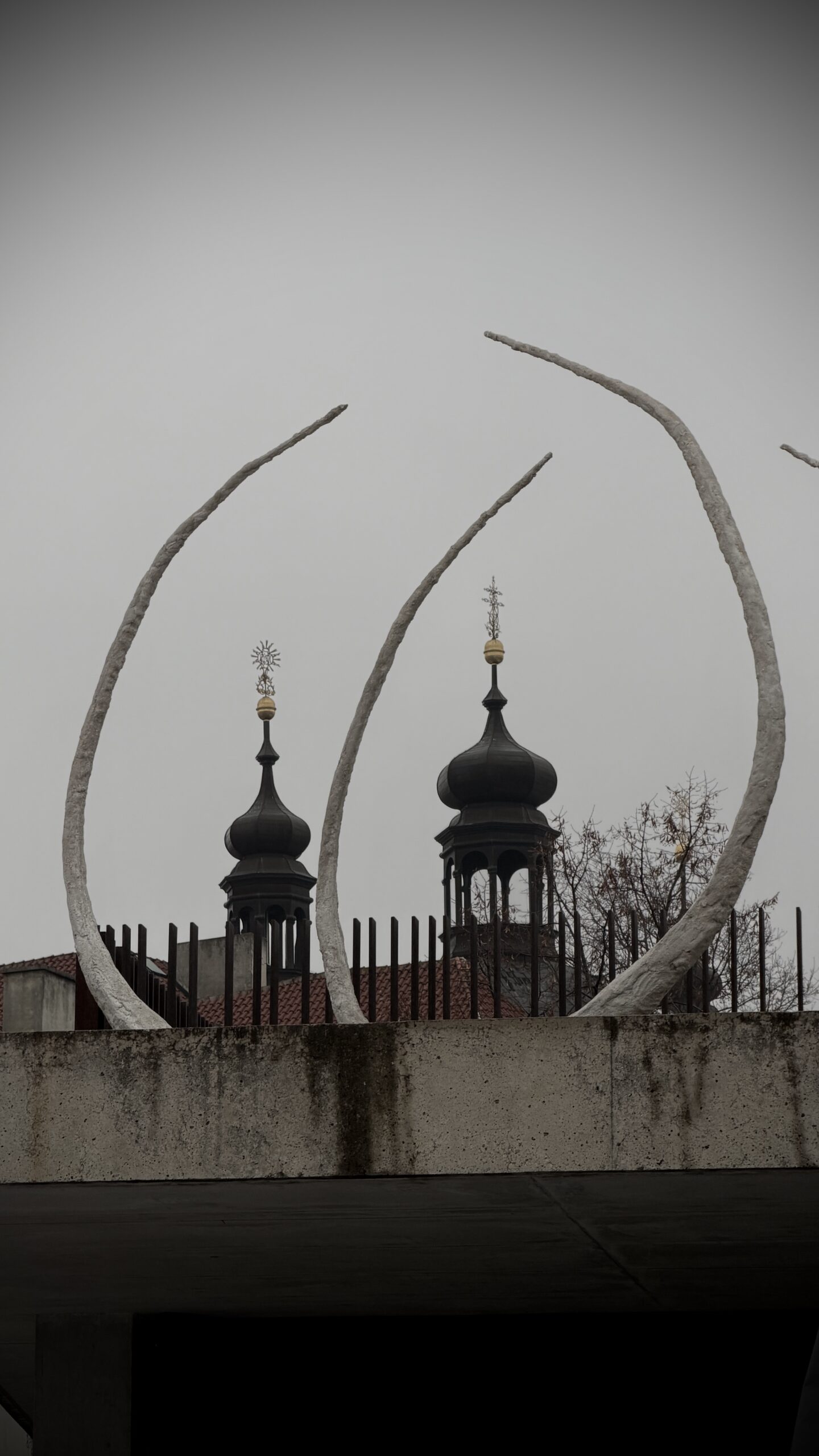
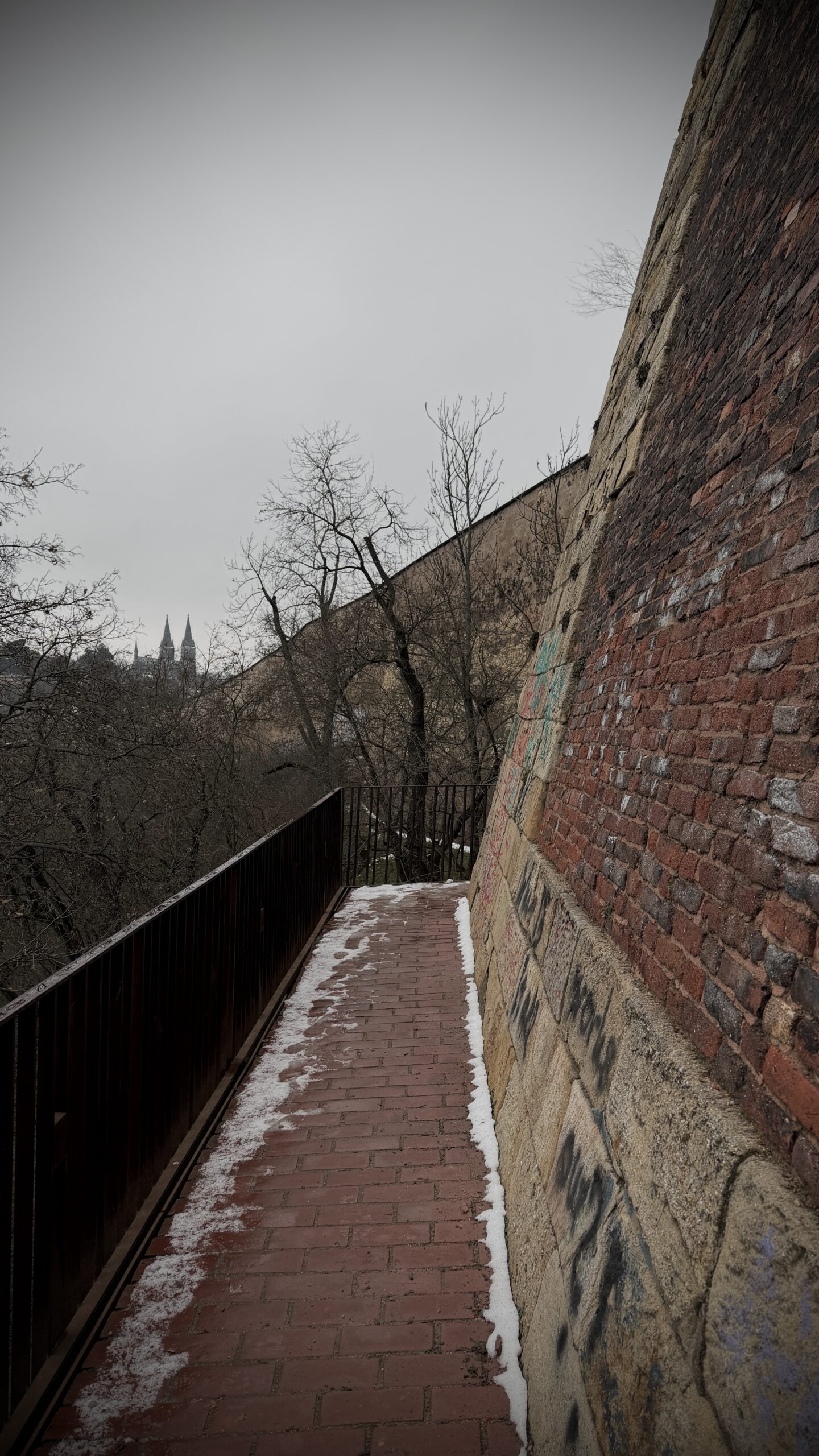
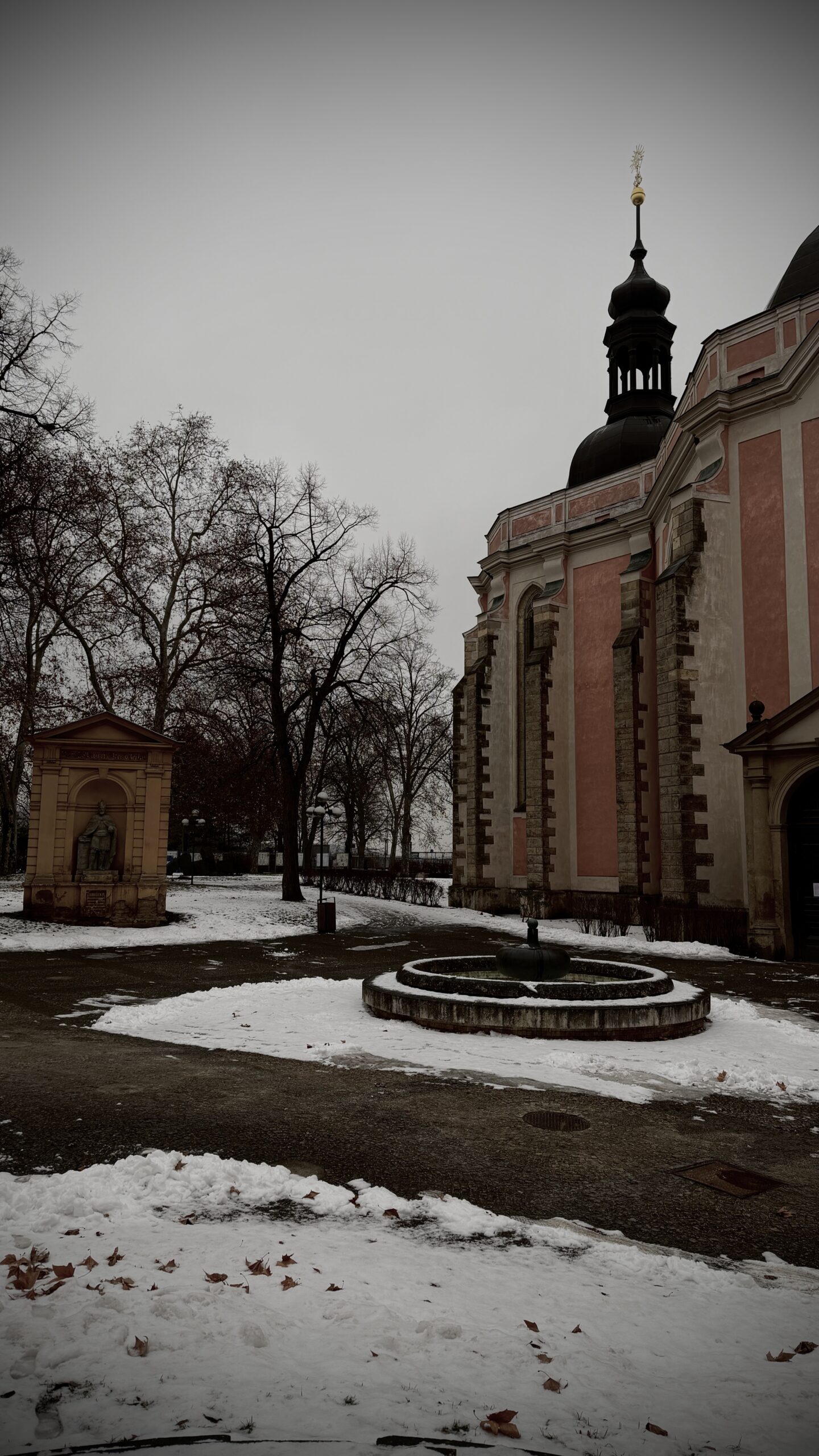
The City Below
Leaving the historic core, Prague changes character subtly but decisively. Streets widen. Foot traffic thins. The rhythm slows.
This shift is felt most clearly beyond the centre, where the city begins to reveal layers shaped less by spectacle and more by function. For those staying near K+K Hotel Fenix, this quieter side of Prague offers a different kind of intimacy — one defined not by landmarks, but by atmosphere.
Here, mystery does not announce itself. It settles quietly into everyday spaces. The journey turns away from façades and symbols and begins to explore what lies beneath.
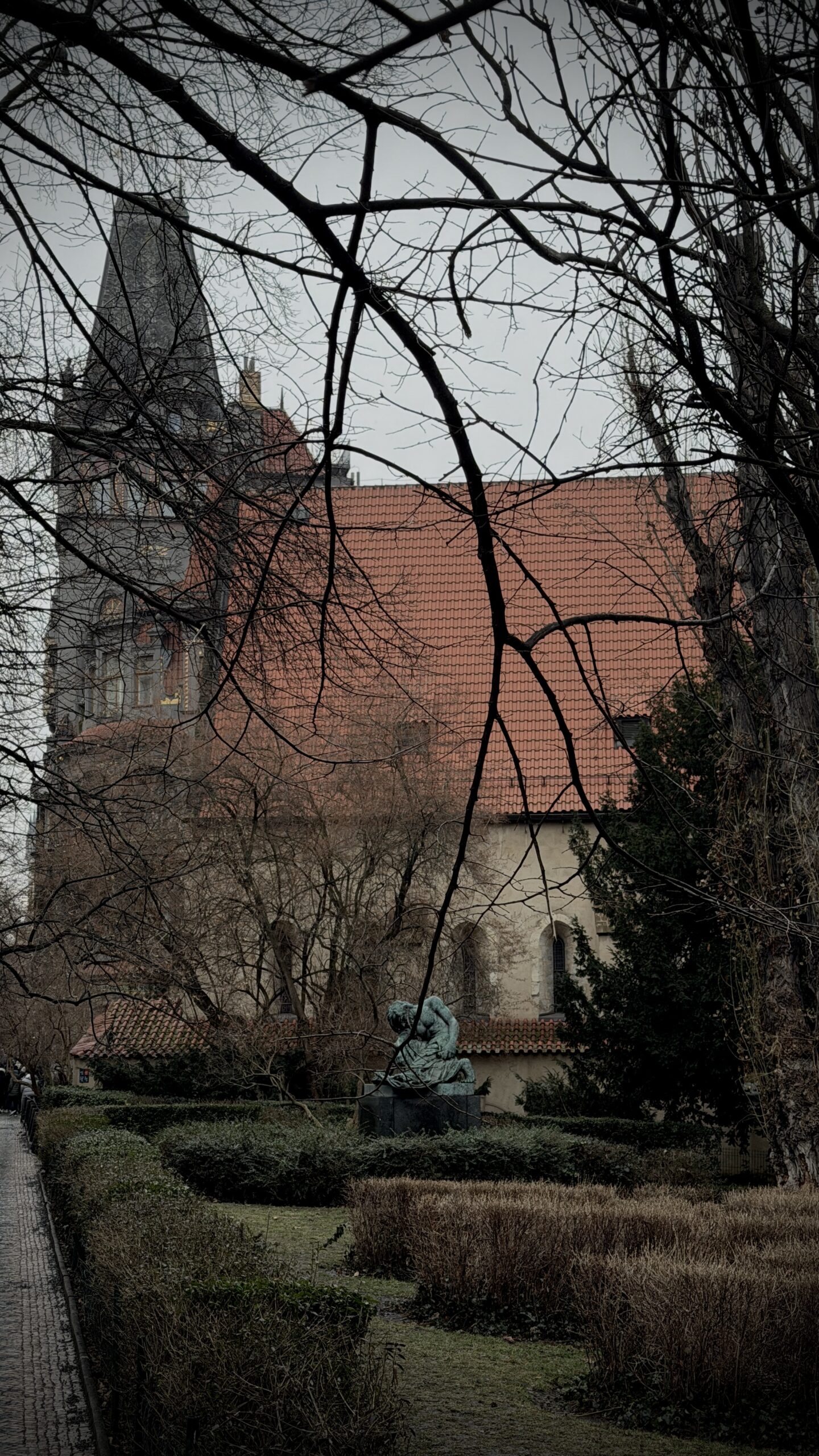
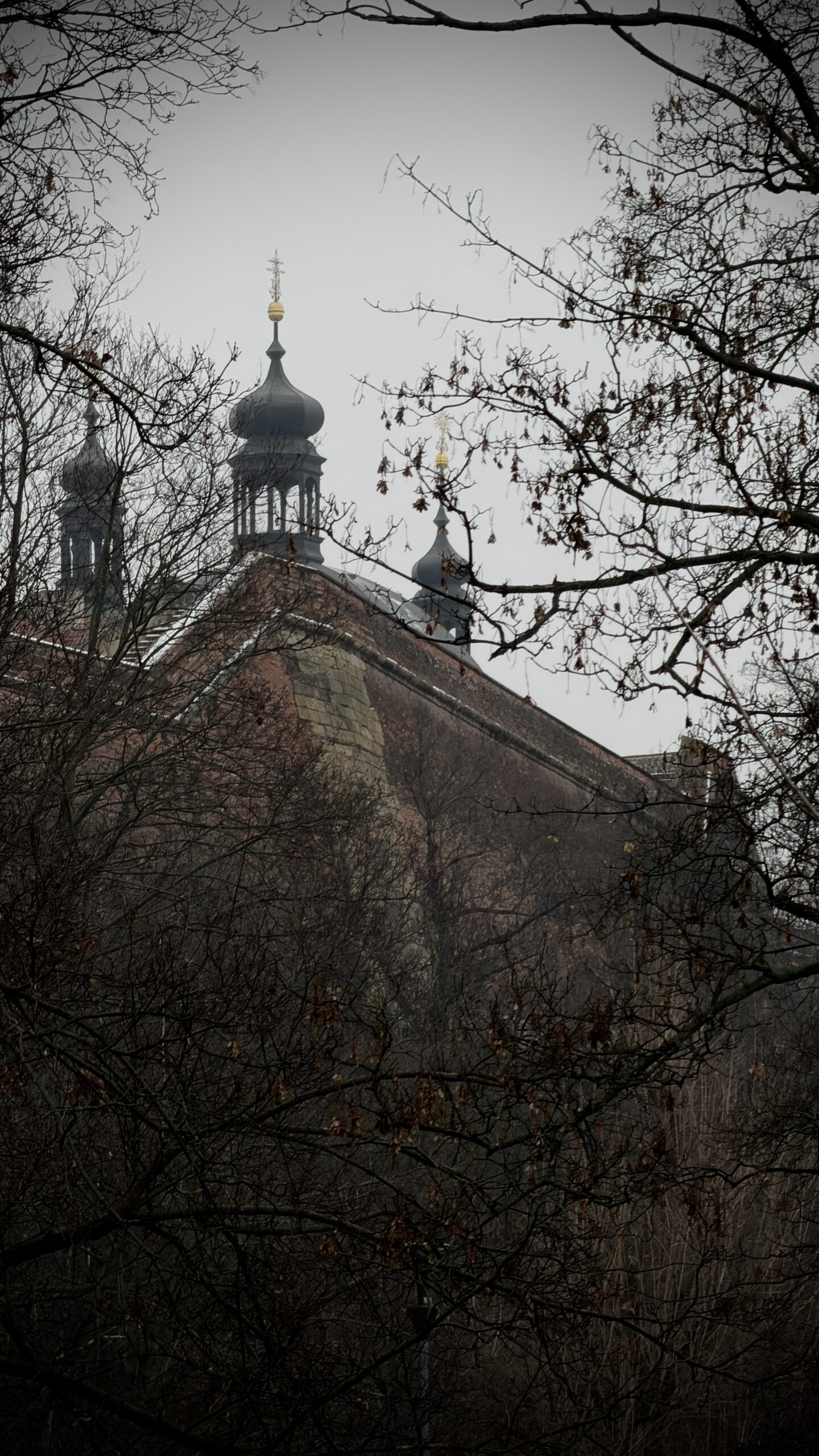
The Crucifix Bastion, once part of the city’s defensive system, belongs to a layer of Prague that feels almost forgotten. Built for protection rather than display, it speaks of fear, preparation, and endurance — emotions rarely associated with the city’s celebrated landmarks.
Below it, Folimanka Park stretches through a sunken corridor, shielded from the noise of the city above. Trams pass overhead while silence settles below, creating a striking contrast between movement and stillness. The space feels detached, almost subterranean, as though the city has folded inward to preserve something private.
These places resist categorisation. No longer defensive, not fully recreational, they exist between functions. Their ambiguity gives them power — especially in narratives drawn to hidden layers and unresolved meaning.
Here, the journey reaches its quietest point. The city is no longer read through symbols or history, but through absence. Through what has been buried, repurposed, and left to exist without explanation
A City That Never Fully Reveals Itself
Prague does not reward speed. It resists simplification.
What makes the city enduringly compelling — in literature, in history, and in lived experience — is its refusal to offer complete answers. Knowledge here is layered. Meaning is contextual. Silence is intentional.
Whether explored from the historic centre or from its quieter edges, Prague reveals itself not through spectacle, but through attention. It invites observers rather than consumers, readers rather than viewers.
To follow this trail is not to decode the city, but to accept its complexity. To understand that some places are not meant to be fully understood — only revisited, reconsidered, and read again.
And perhaps that is why Prague continues to inspire stories shaped by intellect and mystery. Because long after the journey ends, the city remains unfinished — written in shadows, waiting patiently to be read once more.
Unlock the secrets of Prague with our exclusive package
Includes:
- Free breakfast
- Cipher Voucher — decode the message and reveal your reward
- Map of Secrets of Secrets – follow the steps of Robert Langdon through Prague
- Mysterious Prague book