Prague in Bloom: The Art of the Spring Release
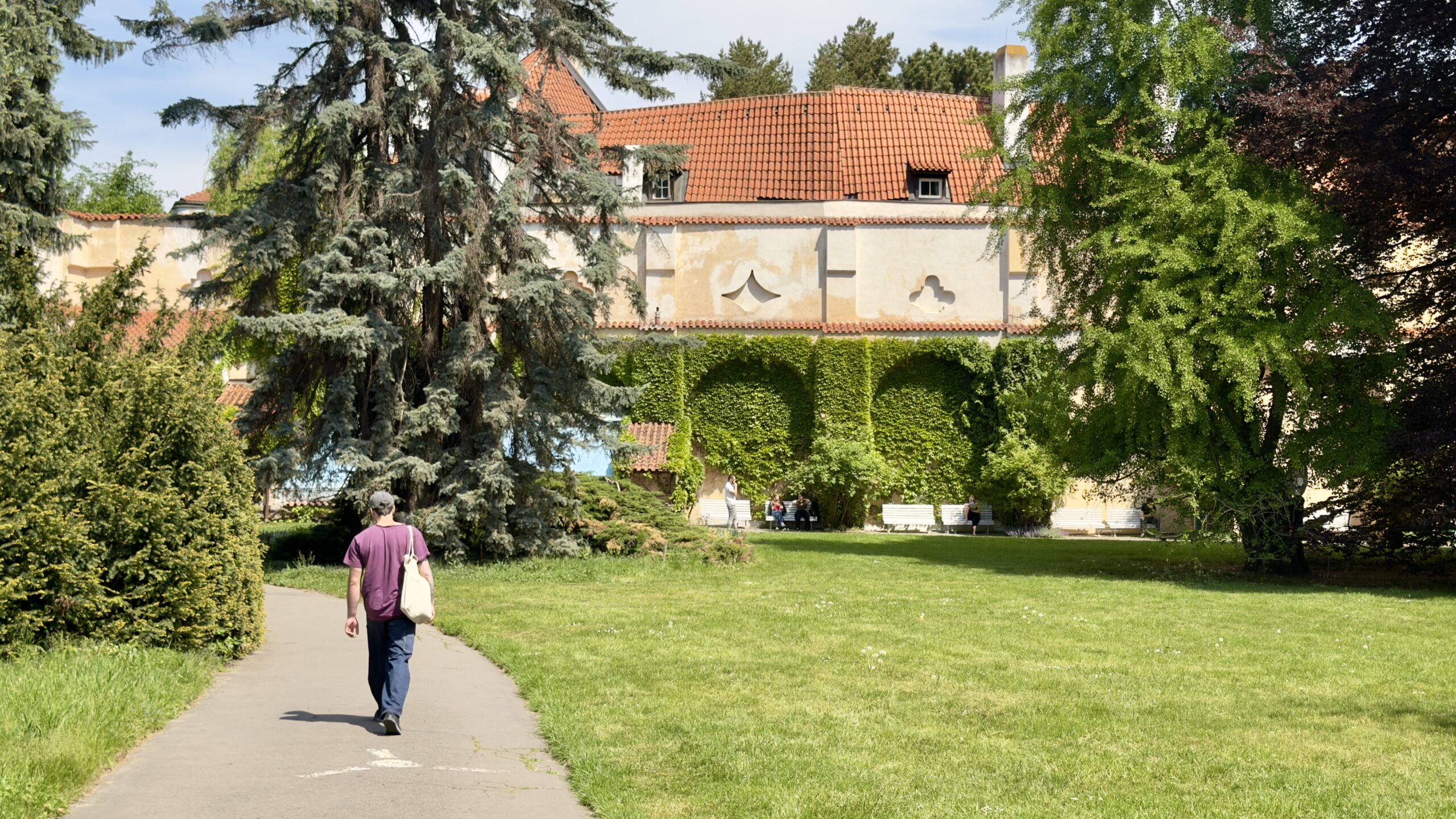
You notice it without looking for it.
People stay outside longer. Jackets are carried instead of worn. Windows remain open deep into the evening, cafés begin reclaiming the pavement, and the city shifts into a different rhythm almost overnight. Not dramatically, not all at once — just enough to change the way Prague feels to move through.
Spring arrives here gradually, but once it settles in, the atmosphere of the city changes completely. What felt dense during winter suddenly feels open. The same streets become lighter, the same facades warmer, the same walks longer without intention. Prague in spring is less about transformation and more about release — the return of colour, movement, and energy after months of restraint.
And nowhere is that shift more visible than outside.
A Change in Light, A Shift in Pace
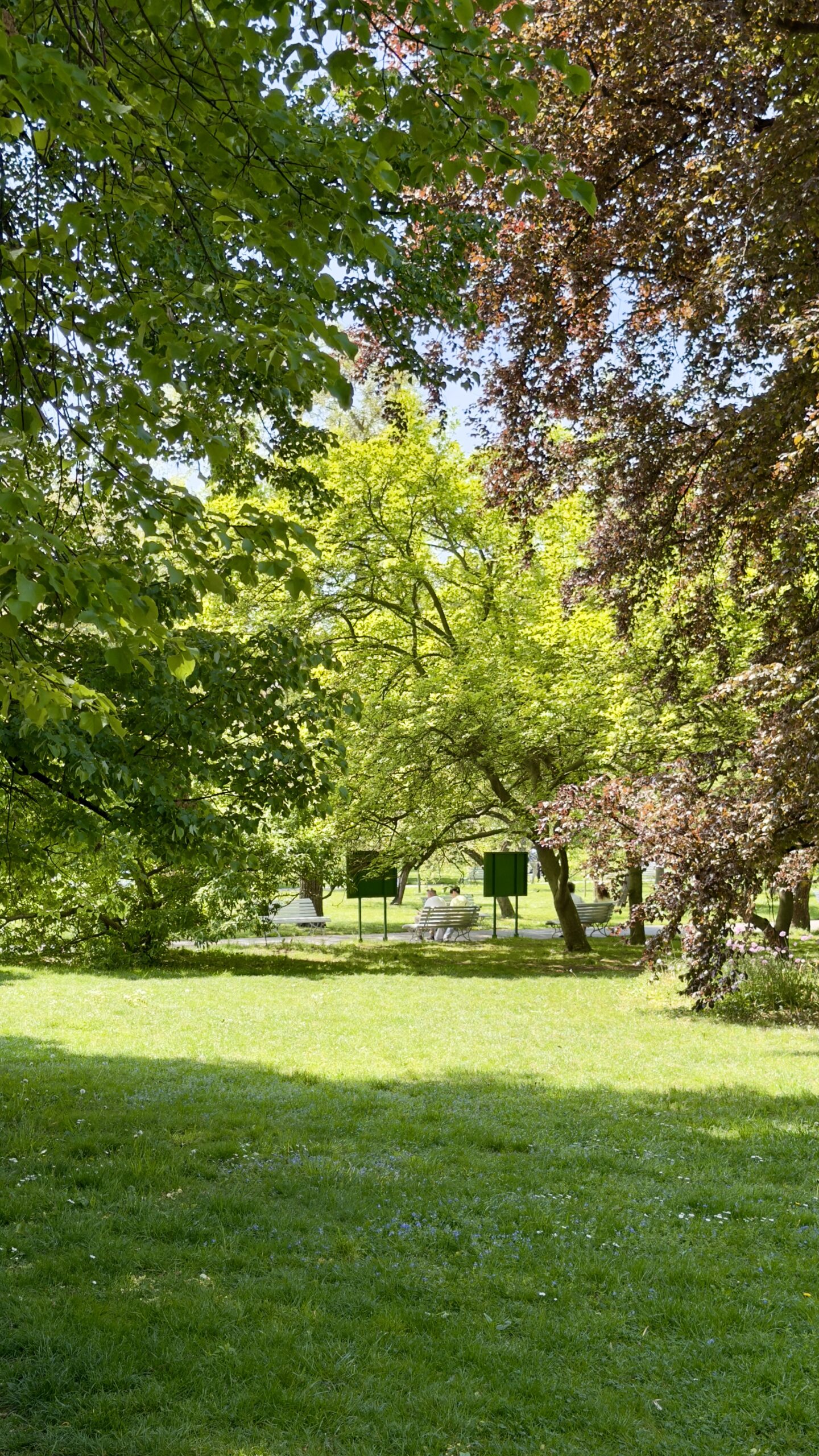
The first warm days alter the pace of the city almost immediately. Terraces fill before noon. Parks begin to pull people out of their apartments. Long walks stop feeling optional. Even routine movement changes — what used to be the quickest route home turns into a slower path through side streets, gardens, or along the river for no reason other than the fact that staying outside suddenly feels better than going back in.
Prague is built perfectly for this kind of movement. The city never forces distance. Neighbourhoods connect naturally, and transitions happen almost without notice. One moment you are moving through narrow historic streets lined with stone facades and tram lines, the next you find yourself surrounded by trees, open courtyards, or stretches of green that soften the structure of the city completely.
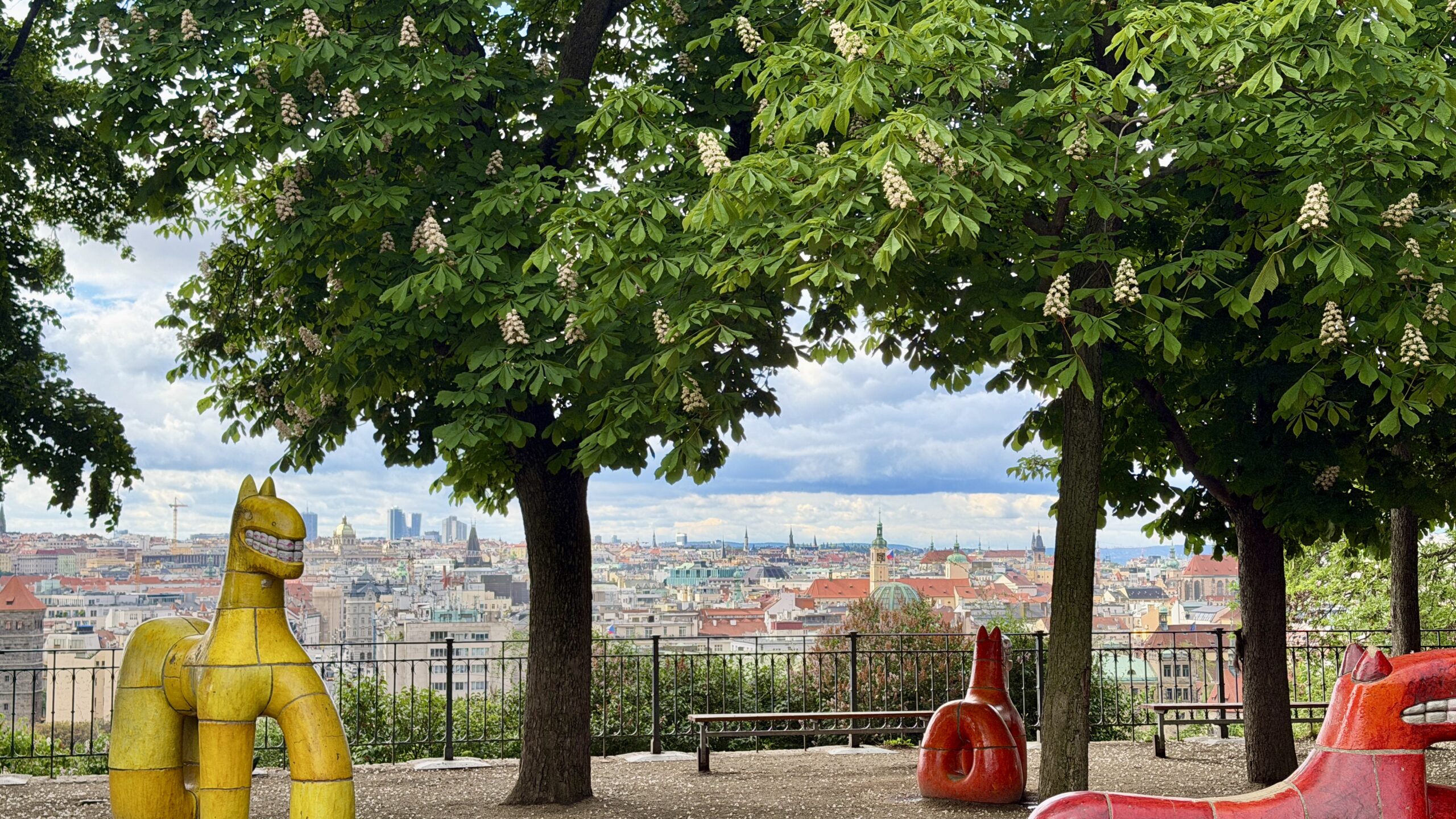
That contrast becomes one of Prague’s defining qualities in spring. Nature does not sit outside the city here. It cuts directly through it.
The change often begins with light. Winter light in Prague can feel flat and distant, turning the city into something colder, sharper, more monochrome. Spring reverses that almost instantly. Buildings regain depth. Pale facades begin reflecting warmer tones. Even the stone seems less severe.
By late afternoon, sunlight stretches across rooftops and courtyards at lower angles, catching details that disappear entirely during colder months — decorative ironwork, carved windows, faded pastel walls, ivy climbing quietly between buildings.
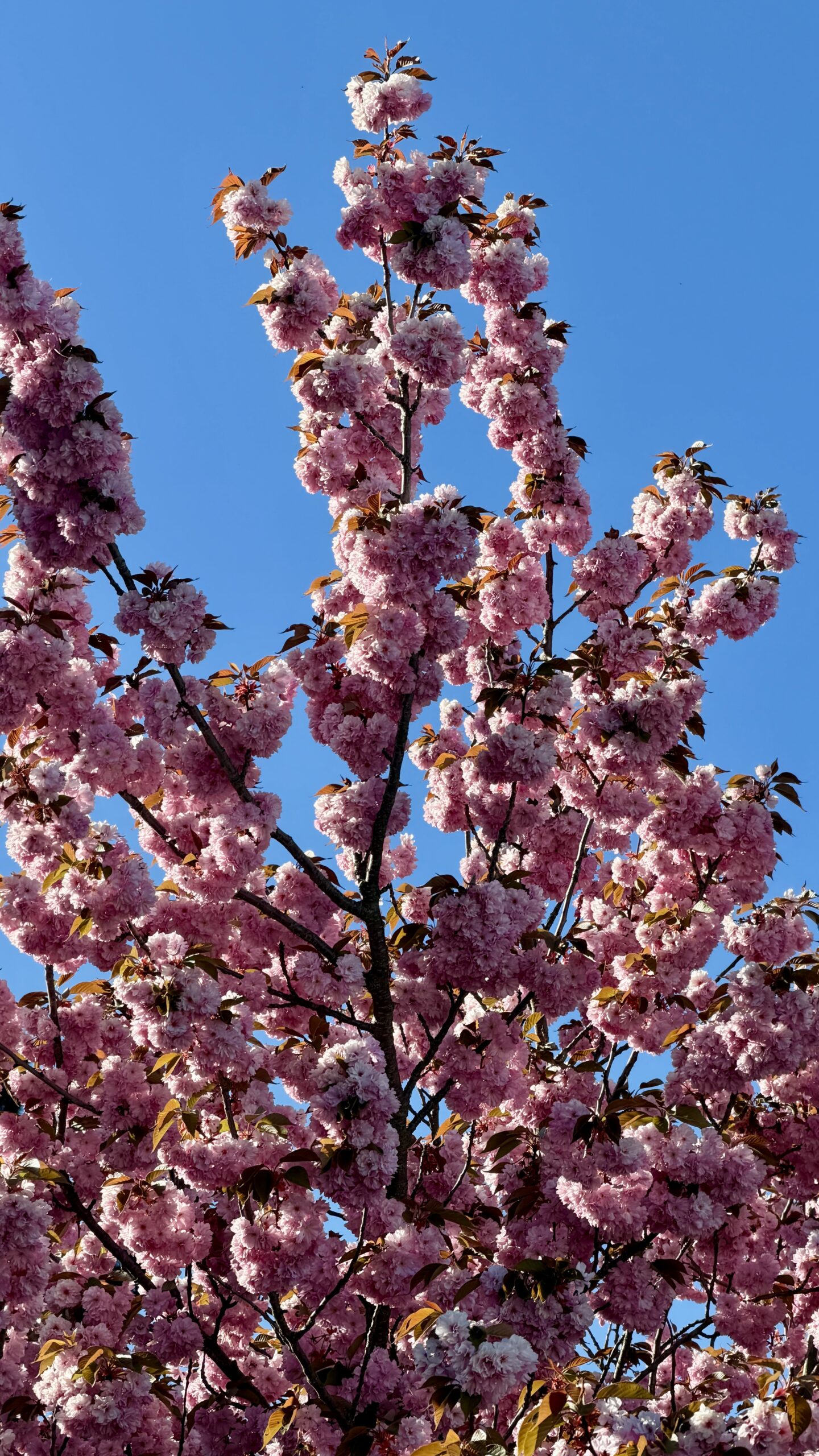
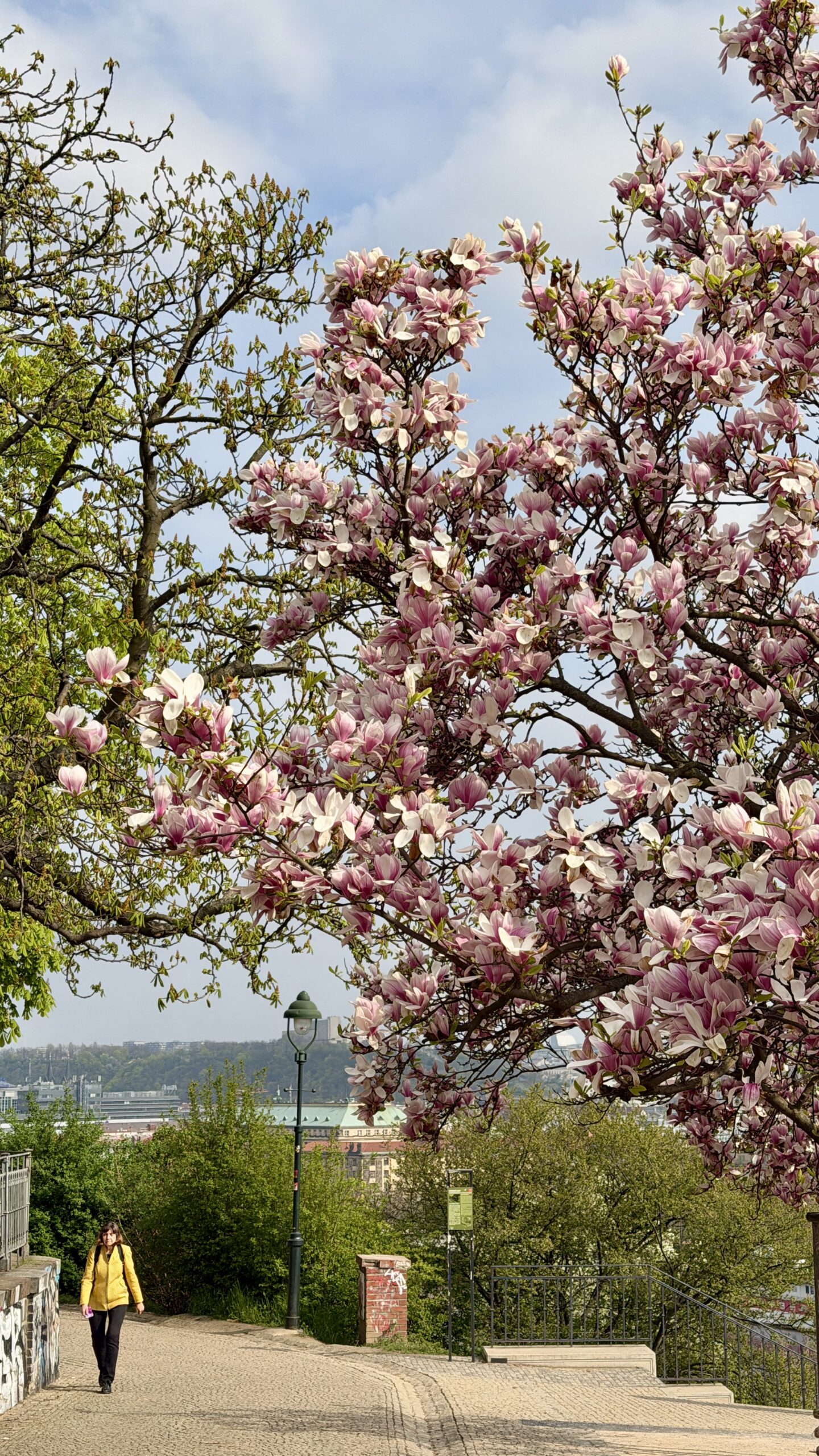
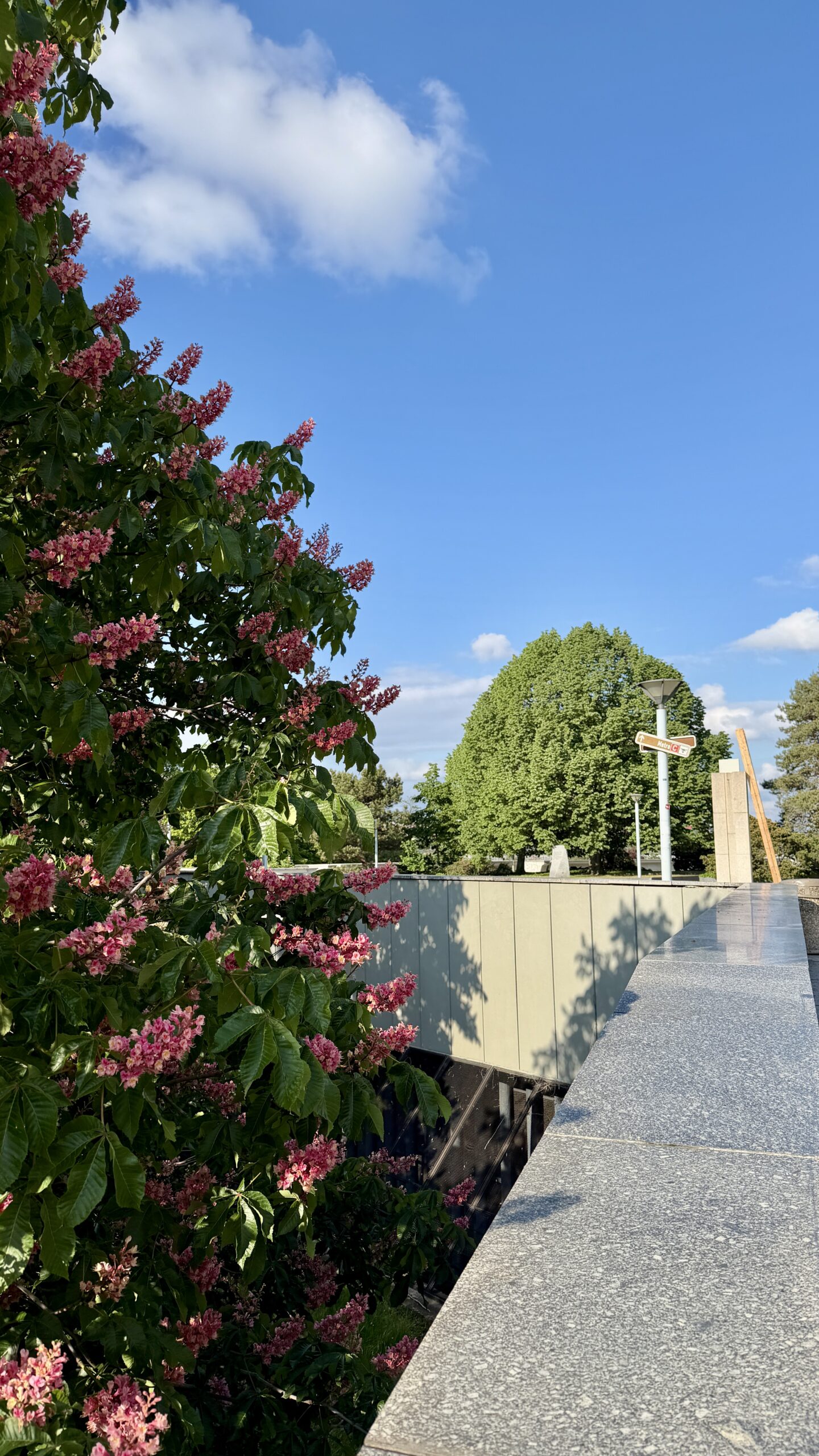
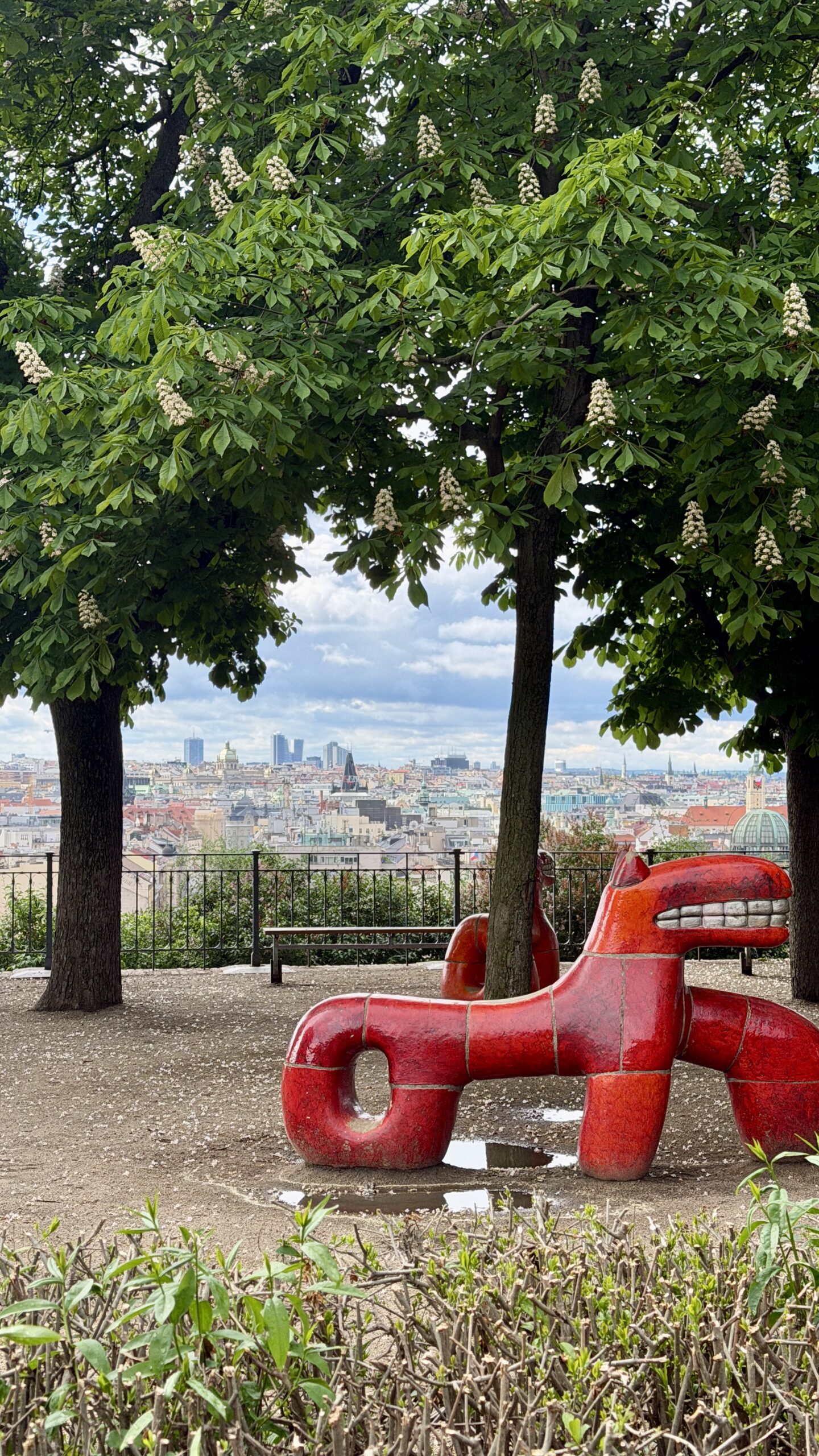
The city becomes more layered. You begin noticing things that were technically always there, but somehow invisible until now. A flowering tree interrupting the geometry of a narrow street. Green appearing between tram tracks. Small gardens hidden behind walls that remained unnoticed all winter. Prague does not suddenly become colourful in the obvious sense; it simply starts feeling alive again.
Life Along the Embankments and Open Windows
That energy is especially noticeable around the river. The embankments begin filling early, long before summer officially arrives. People gather without much planning — sitting on the edge of the water, stopping for coffee, opening bottles of wine, walking aimlessly without needing a destination. The city feels less scheduled here. Movement becomes slower, more fluid.
What makes Prague particularly different during spring is that people genuinely use the city outdoors. Public space is not transitional; it becomes part of daily life again. Benches stay occupied, conversations extend naturally into the evening, and entire afternoons disappear without structure.
Even the sound of the city changes. Windows stay open longer. Music drifts out into the streets. Trams still move with their familiar rhythm, but the atmosphere around them softens. The hard edges of winter begin dissolving into something far more relaxed.
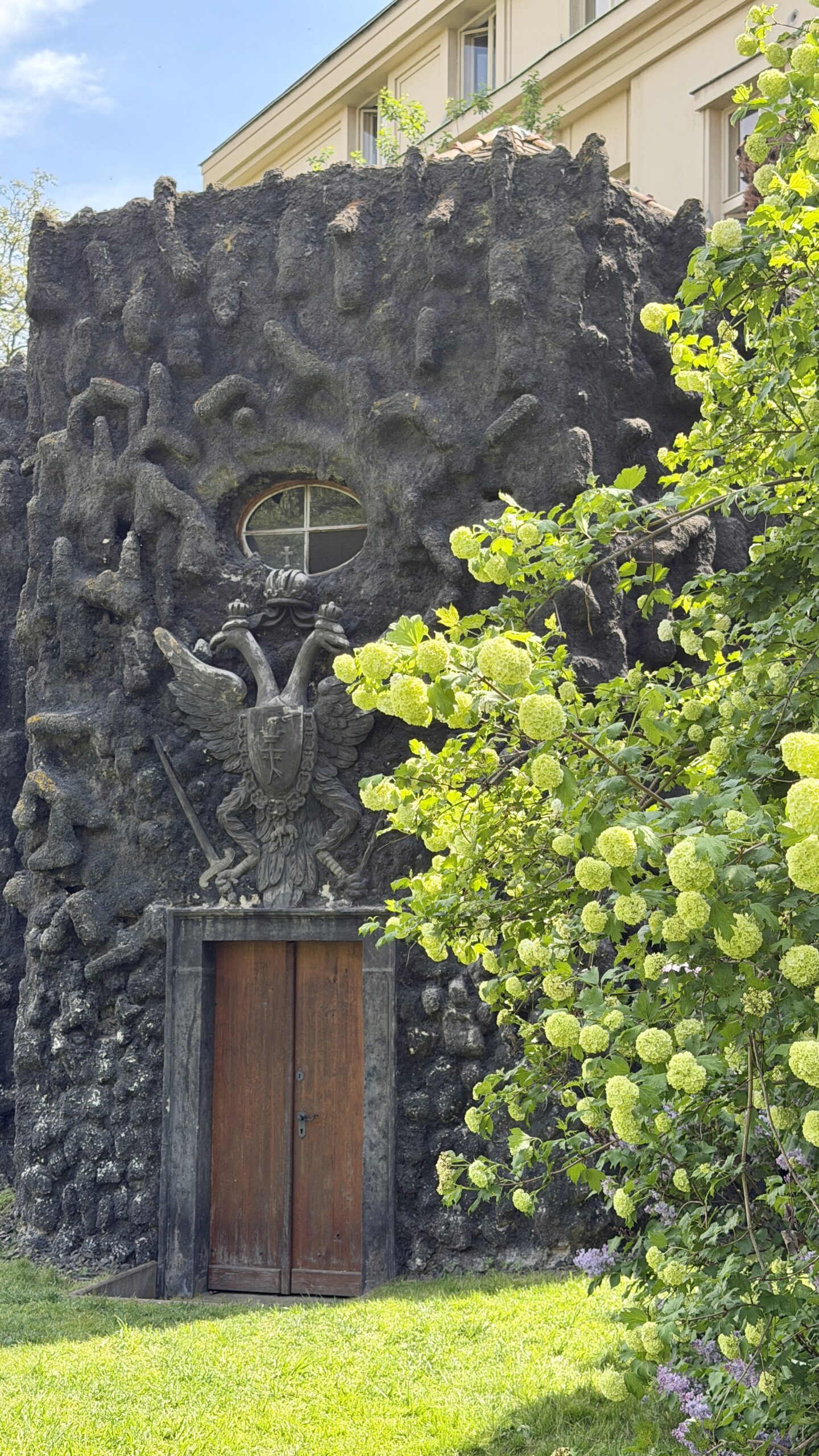
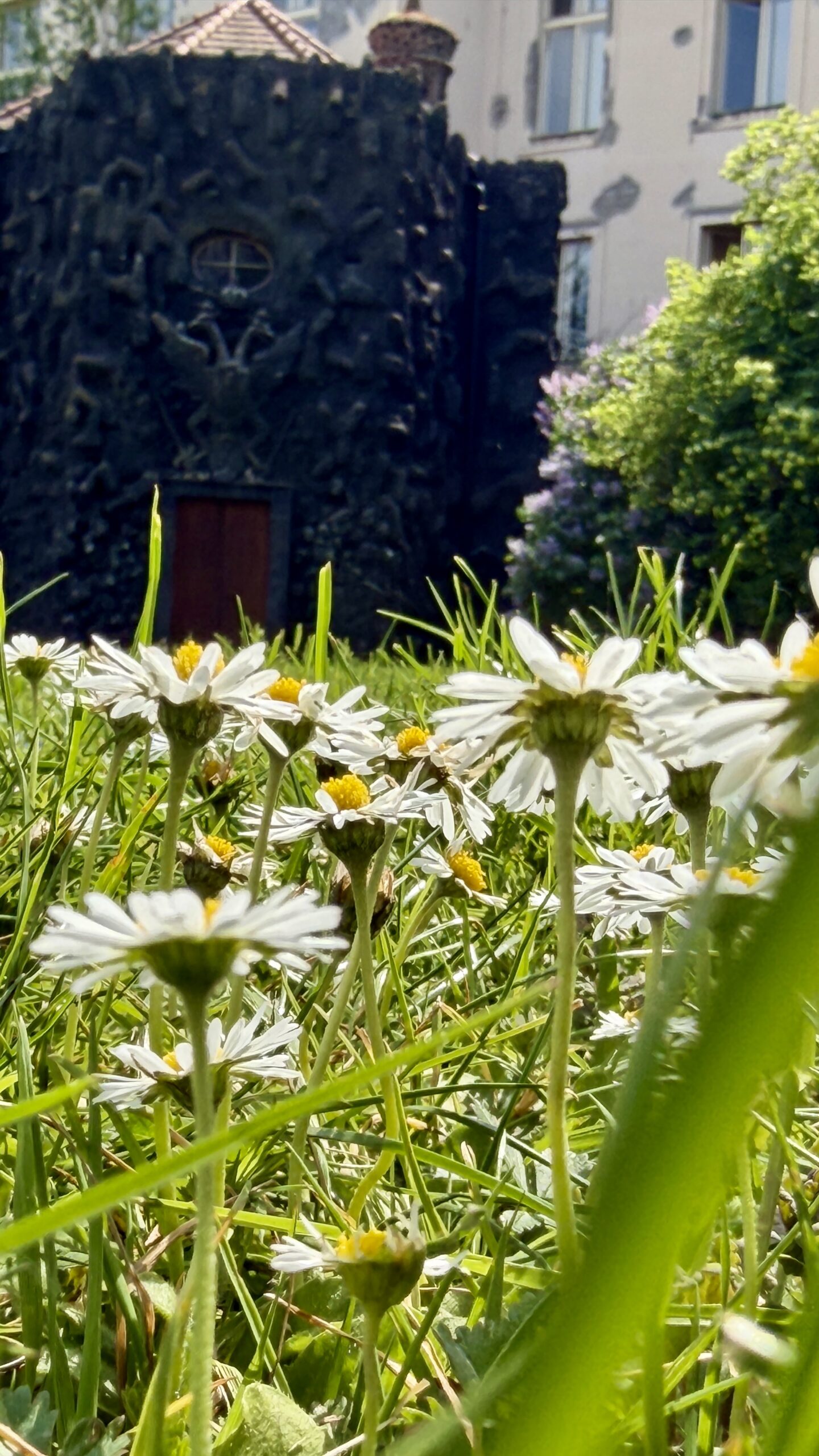
The Secret Sanctuary of Prague’s Gardens
Some of the strongest spring moments in Prague happen in places that feel almost detached from the city around them.
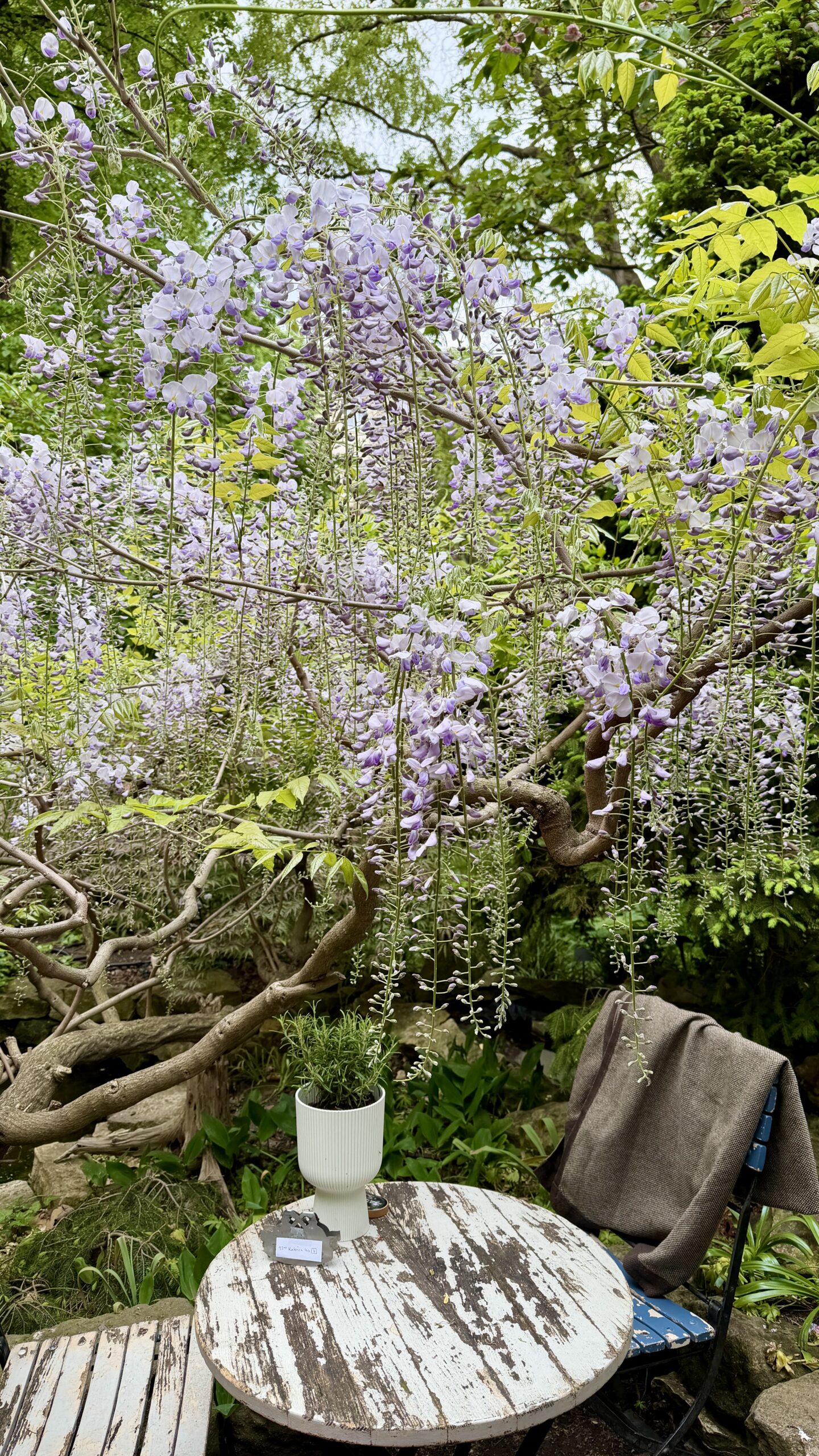
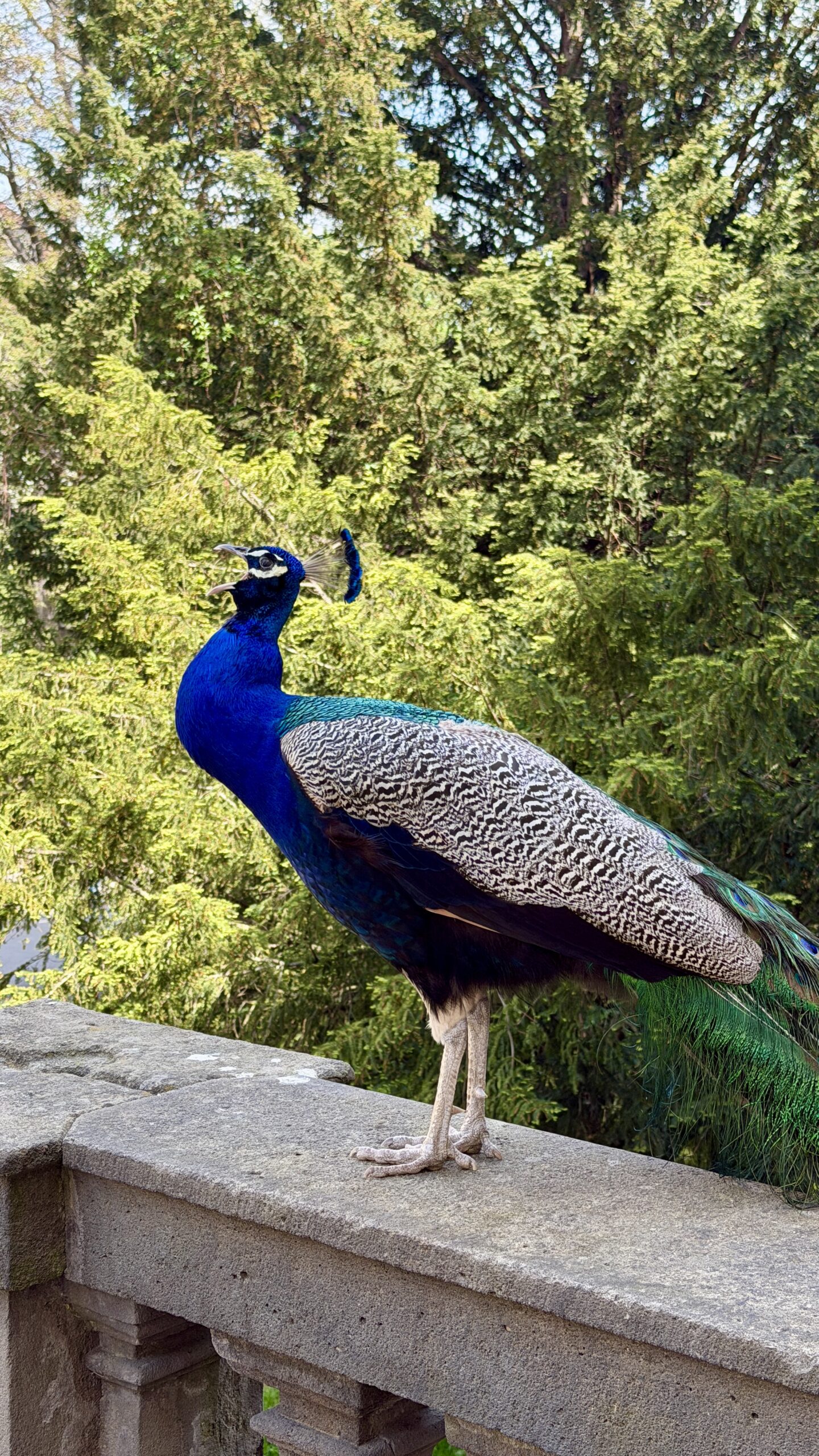
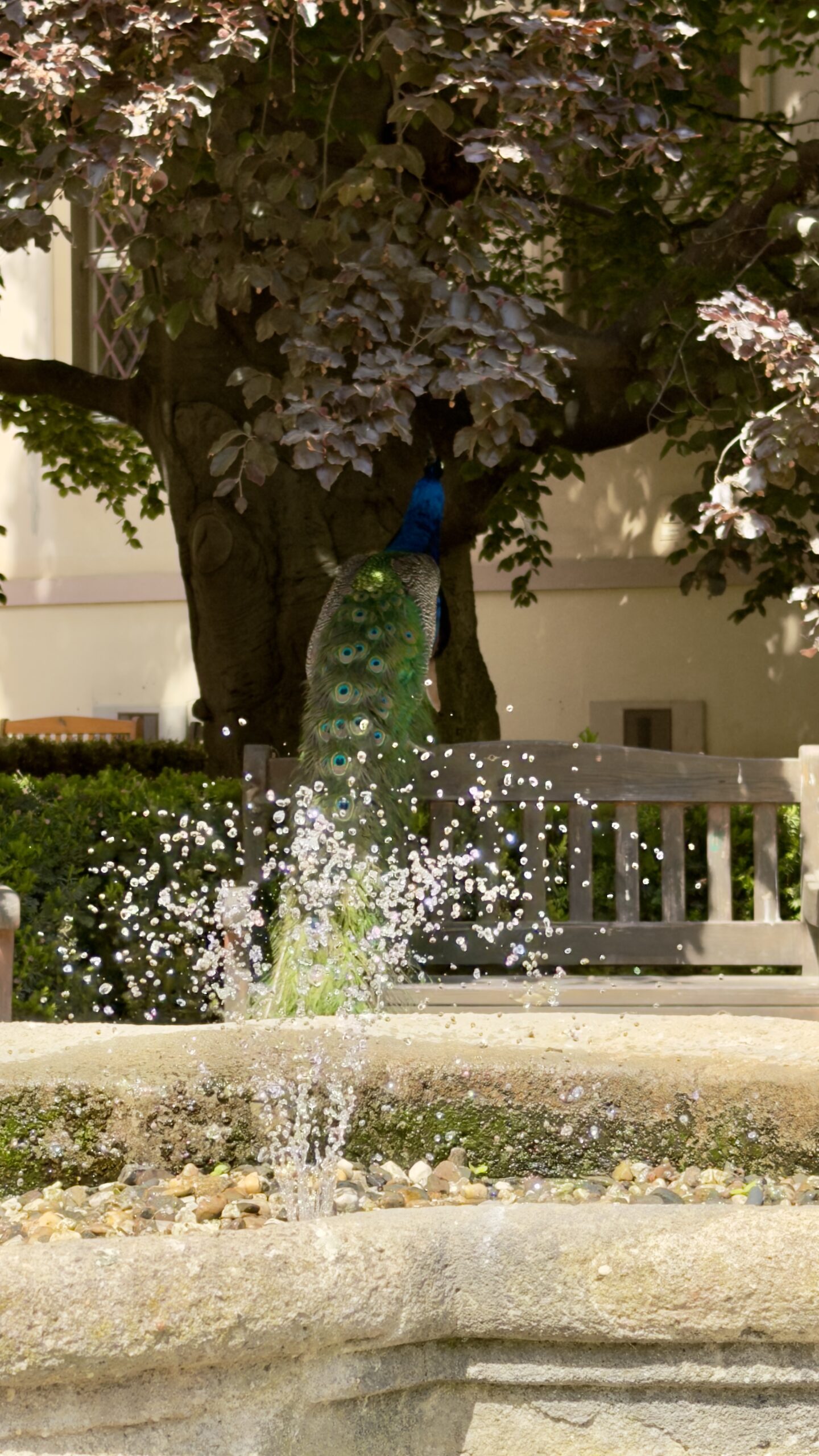
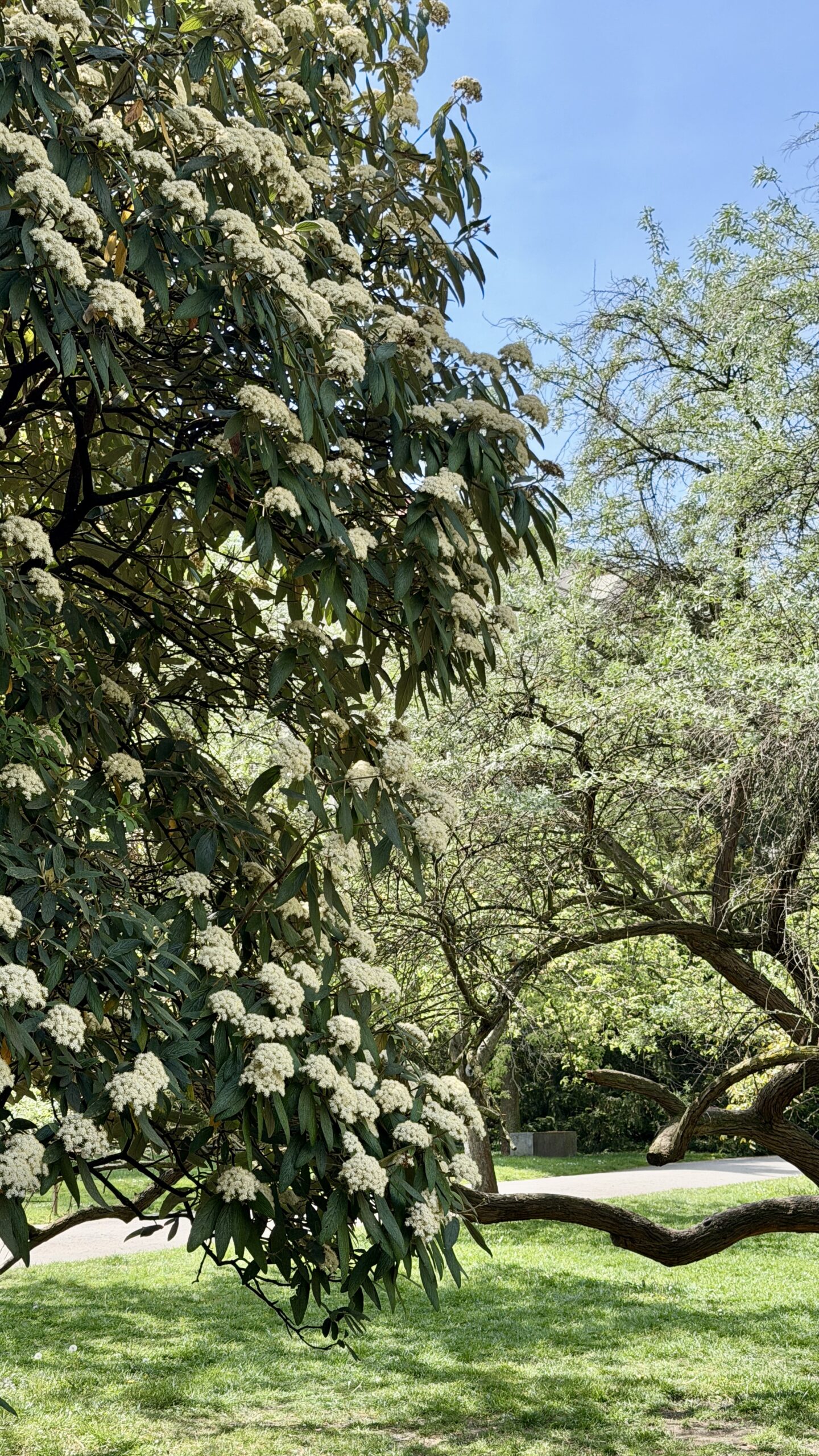
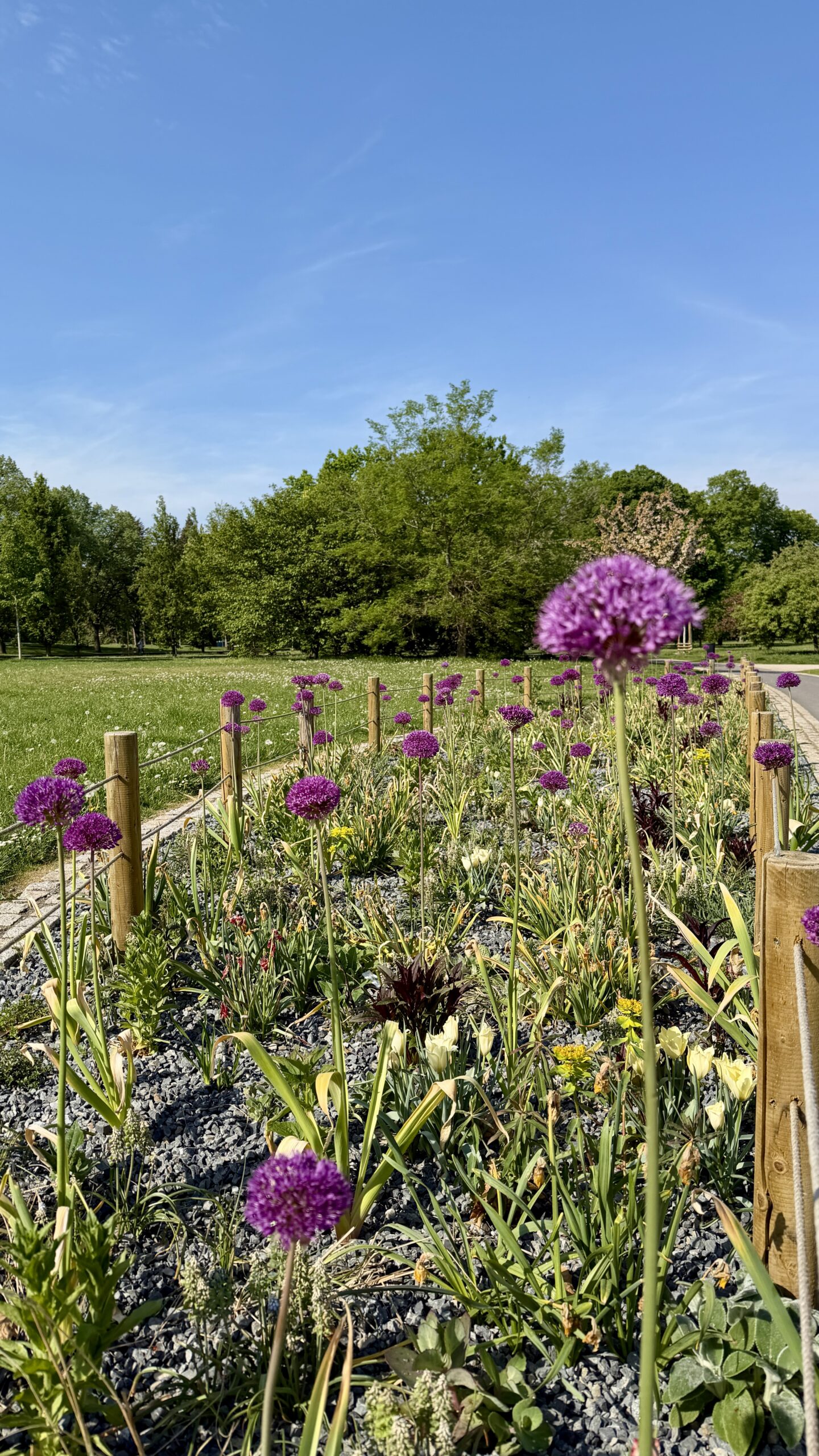
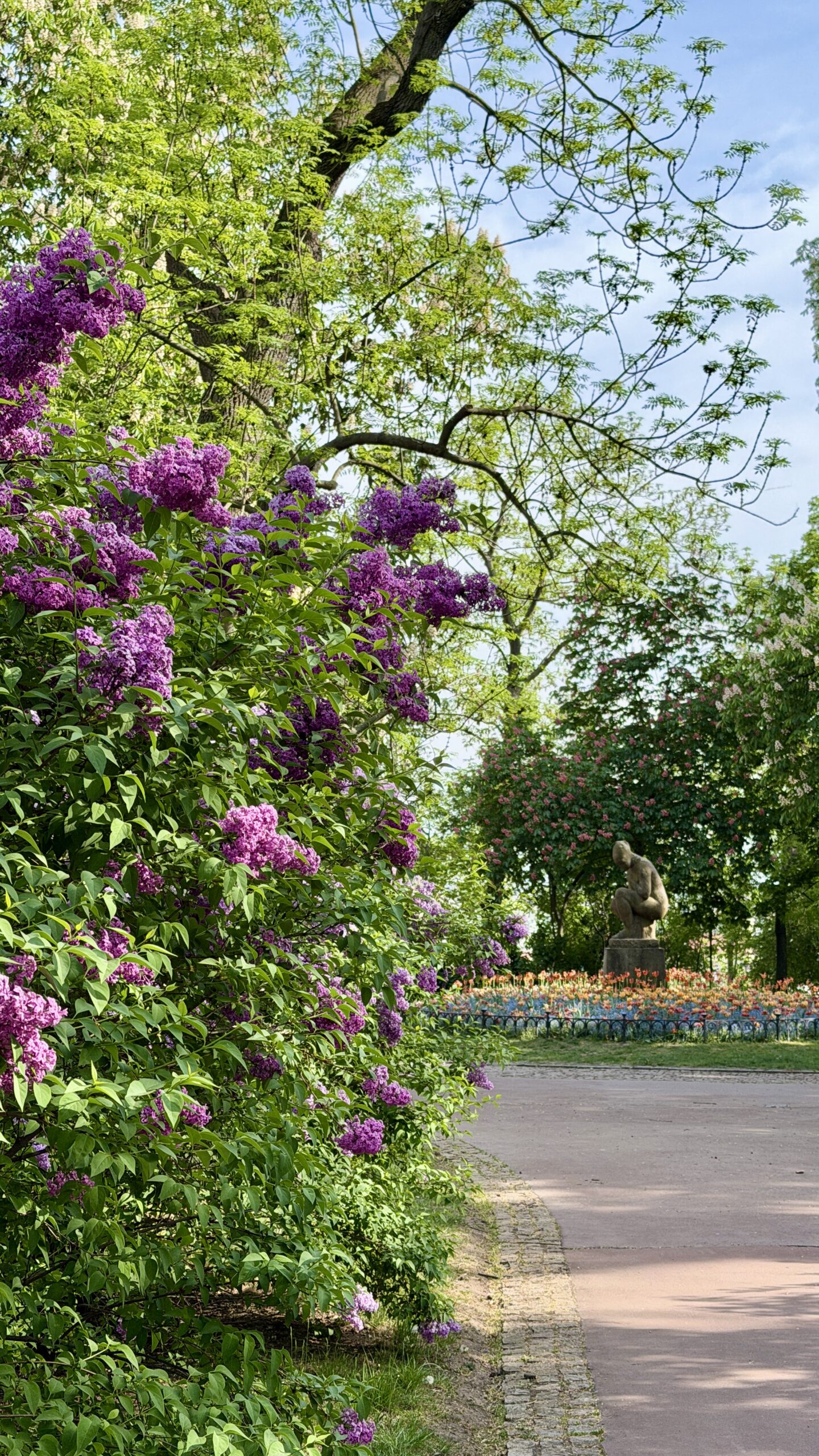
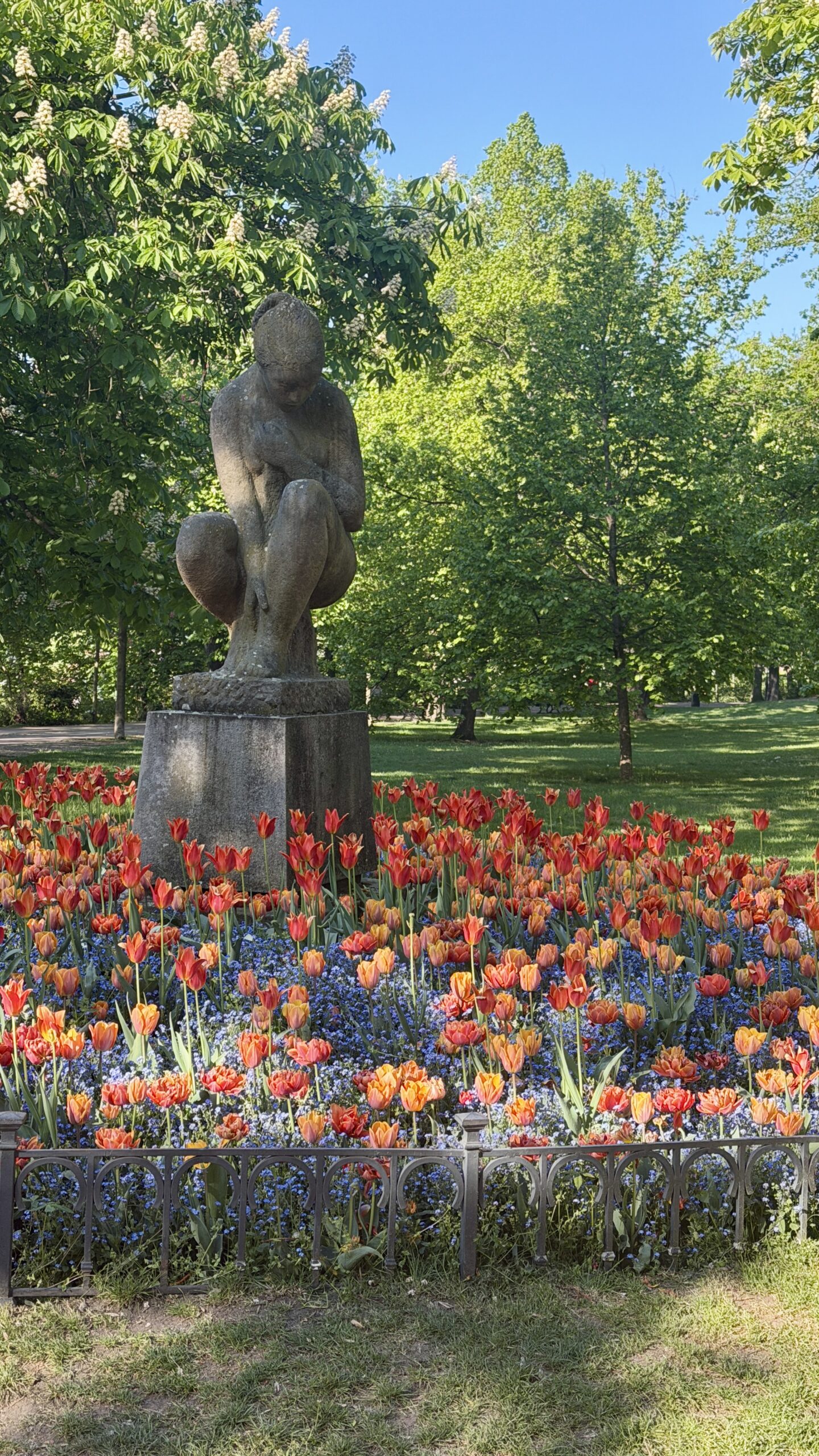
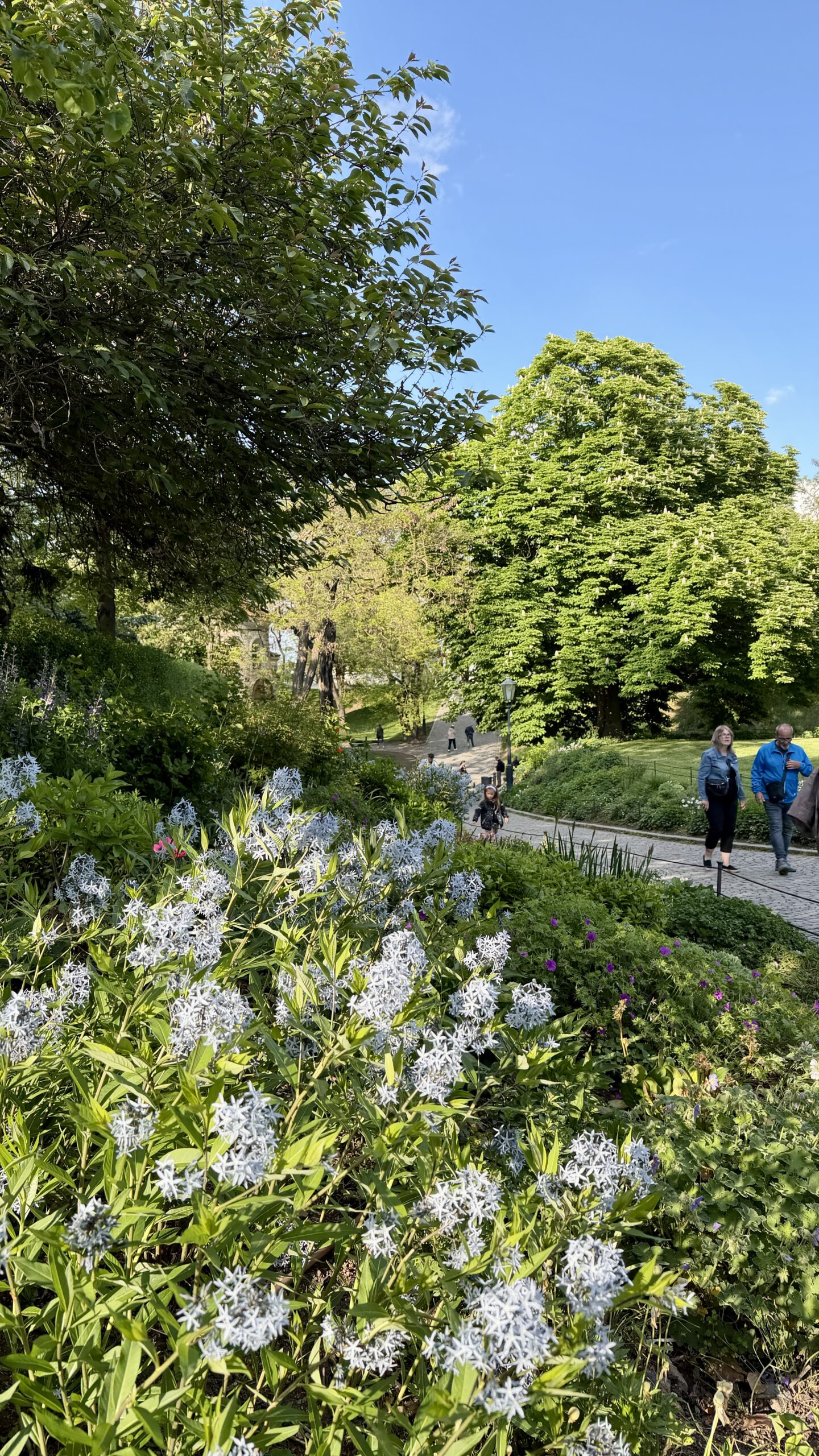
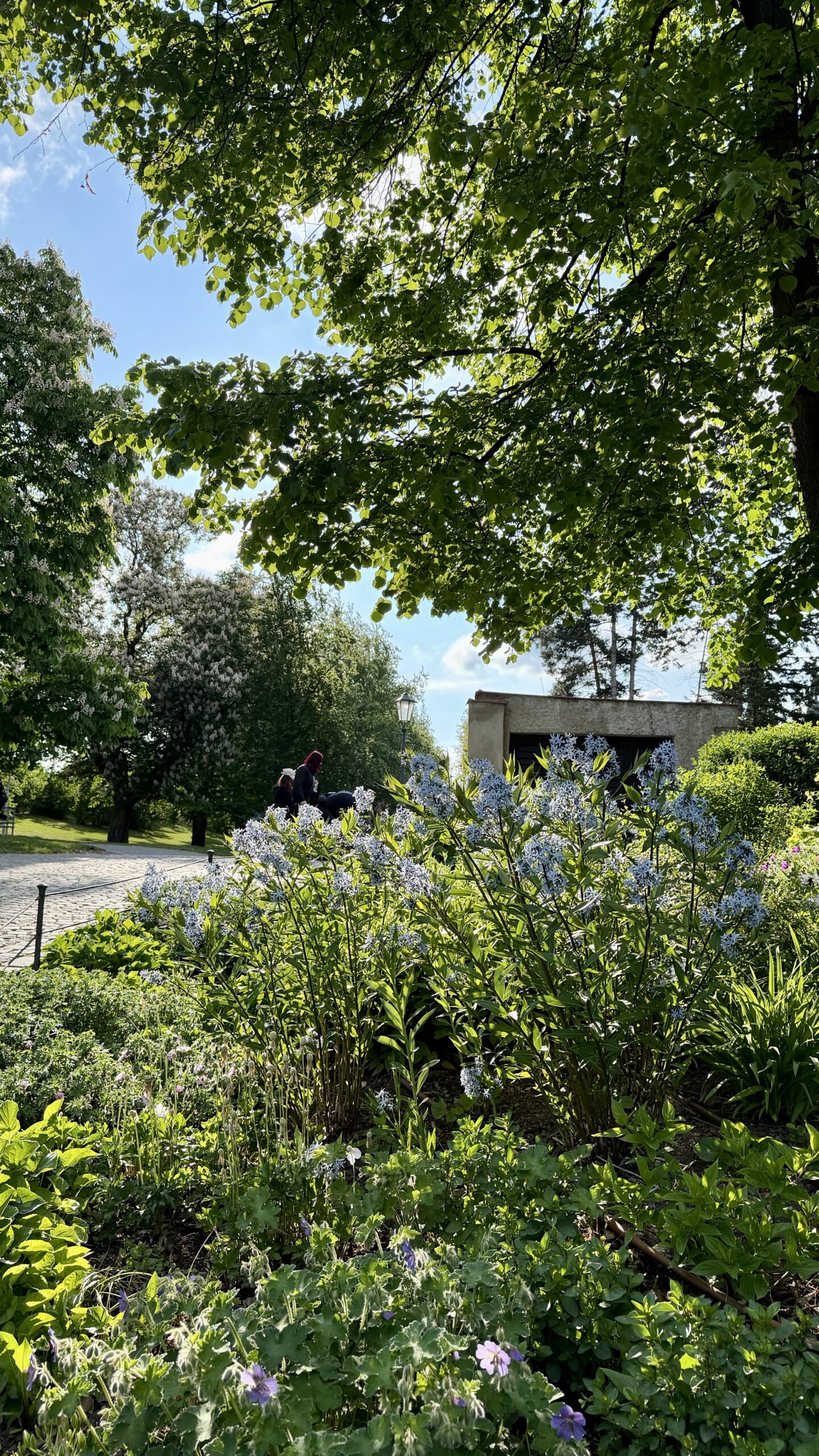
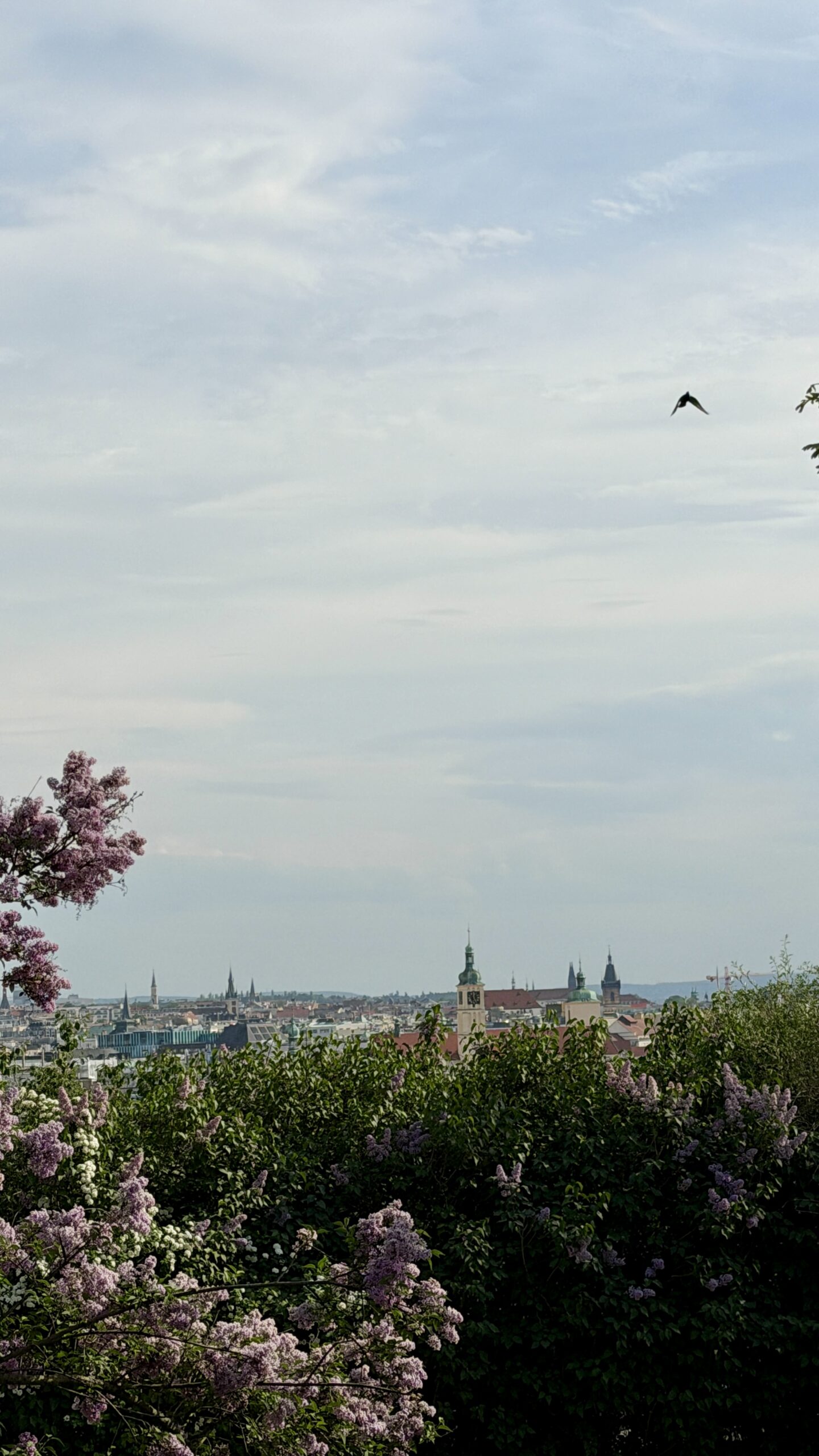
Vojanovy sady, hidden behind quiet streets in Malá Strana, carry that feeling particularly well. The garden feels enclosed in the best possible sense — separated from the movement of the centre without actually leaving it behind. Trees begin blooming above old walls, peacocks move slowly across the paths, and the atmosphere shifts entirely within a matter of steps. The city remains close, but no longer dominant.
Places like this change how Prague is experienced. They interrupt the momentum of the streets and replace it with something calmer, softer, more open-ended. Time stretches differently there. People sit longer than expected. Walks stop being linear. Spring in Prague is full of spaces like that — not hidden exactly, but easy to overlook until the season gives people a reason to slow down enough to notice them.
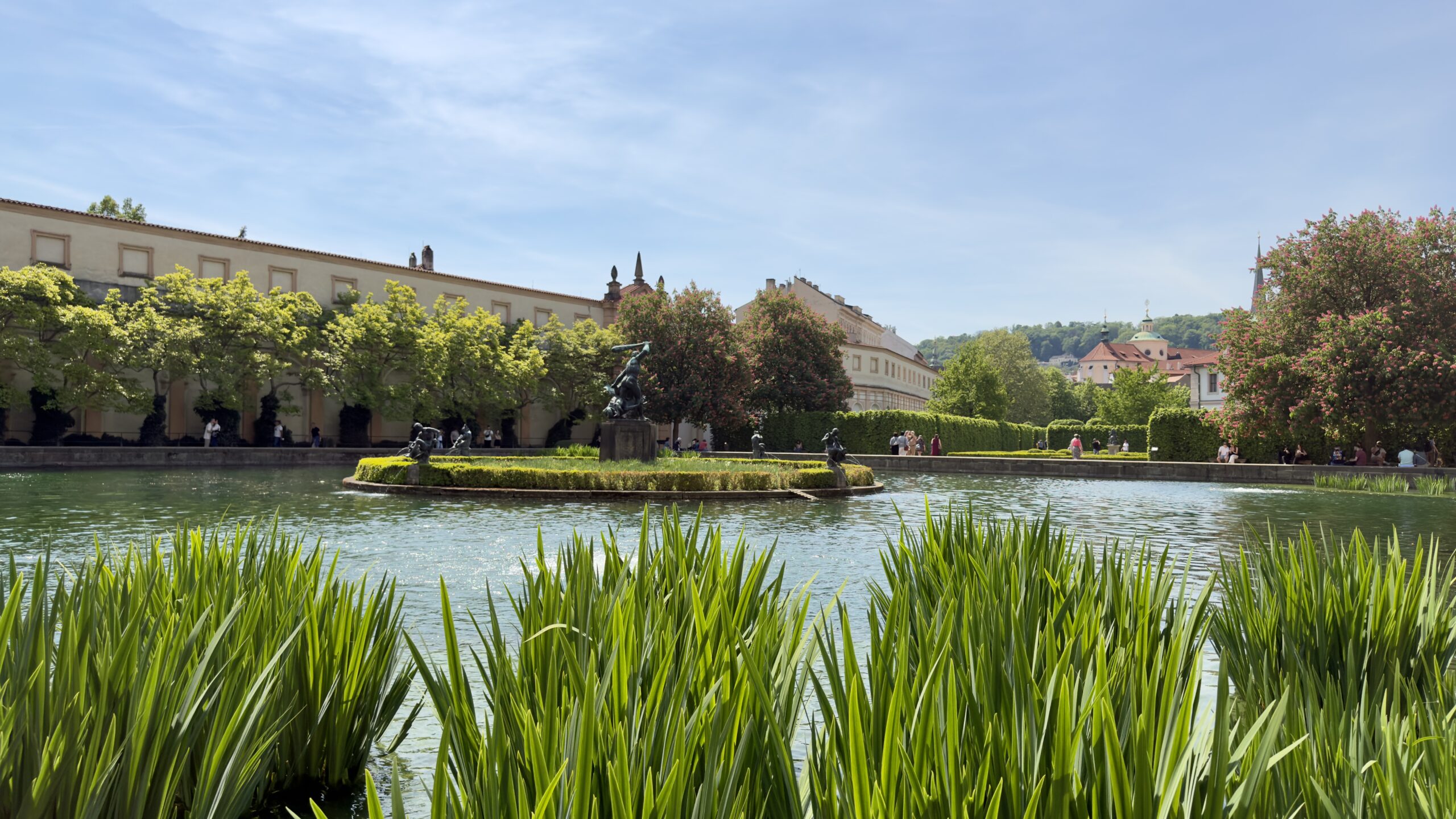
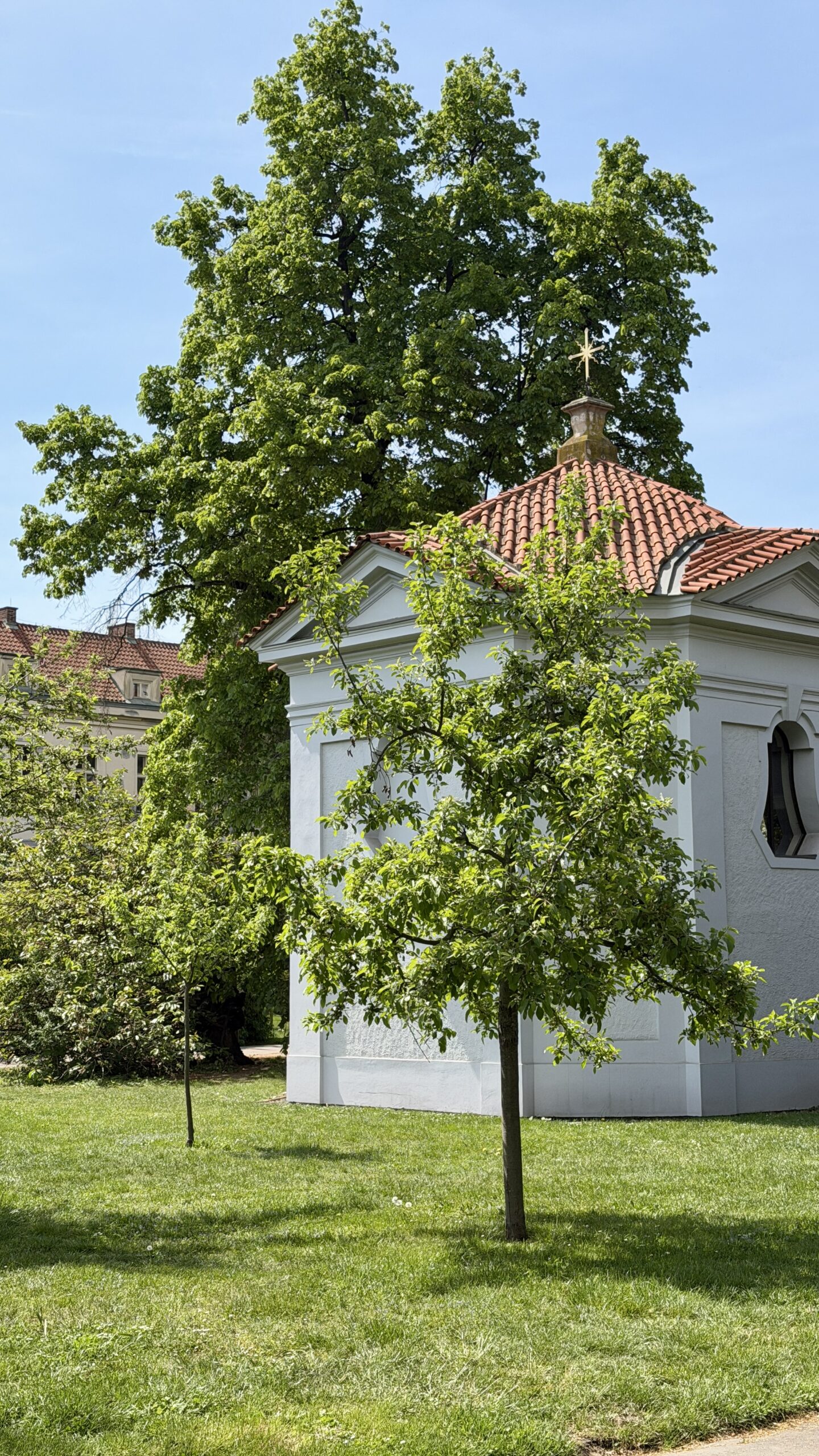
A different kind of atmosphere emerges in Valdštejnská zahrada. Where Vojanovy sady feel intimate, Valdštejnská garden feels composed. Symmetry, open pathways, carefully shaped greenery, pale walls reflecting afternoon light — everything there seems designed around stillness and proportion. In spring, the contrast between structured Baroque architecture and the softness of new greenery becomes particularly striking.
It is one of the clearest examples of how Prague balances density with openness. The city never moves entirely in one direction. Heavy architecture is interrupted by gardens. Historic facades open into courtyards. Narrow streets lead unexpectedly into wide, quiet spaces filled with trees and light. That constant transition is part of what makes walking through Prague during spring feel so effortless.
You rarely need to search for atmosphere here. You simply walk long enough and eventually step into it.
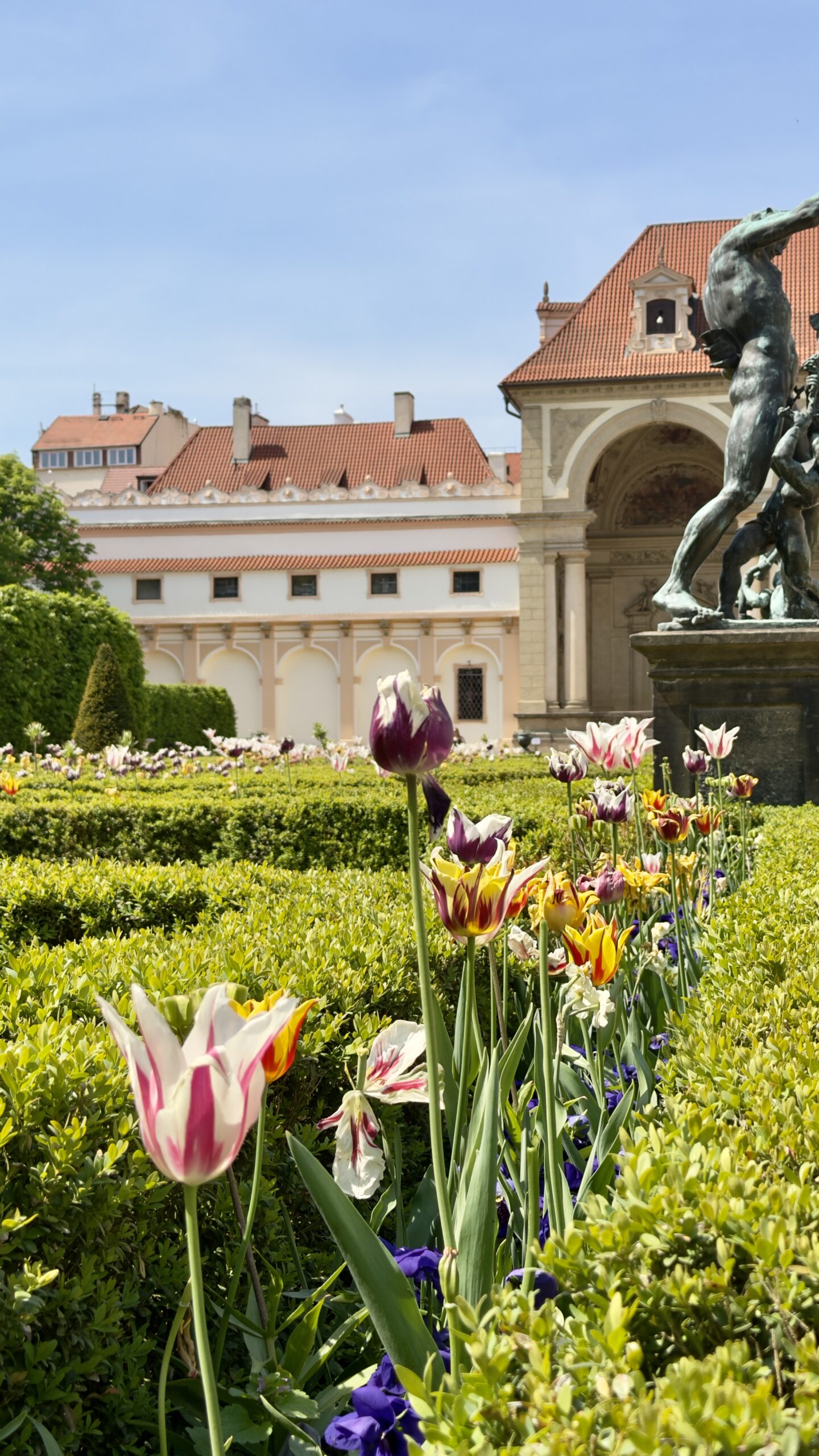
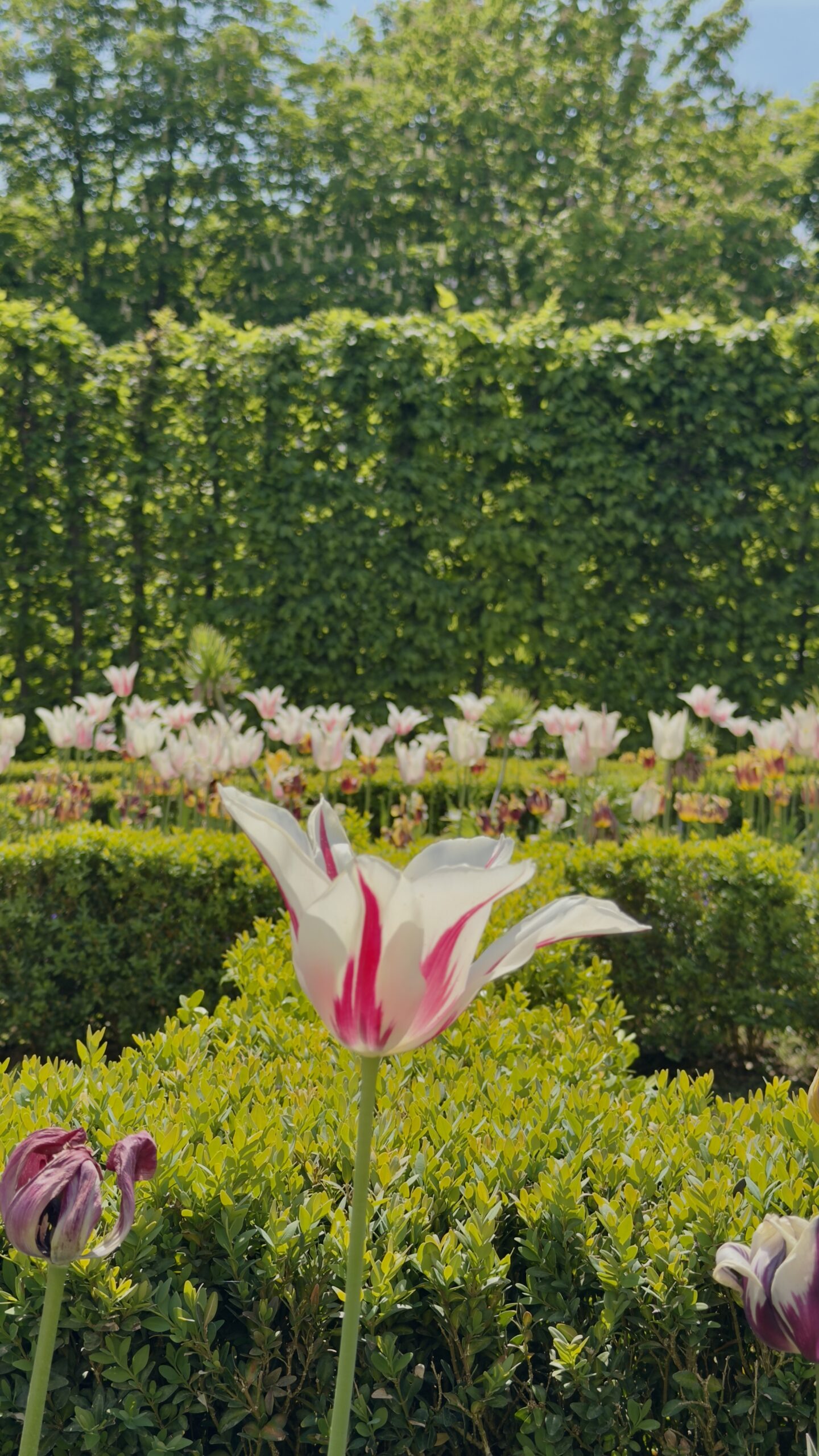
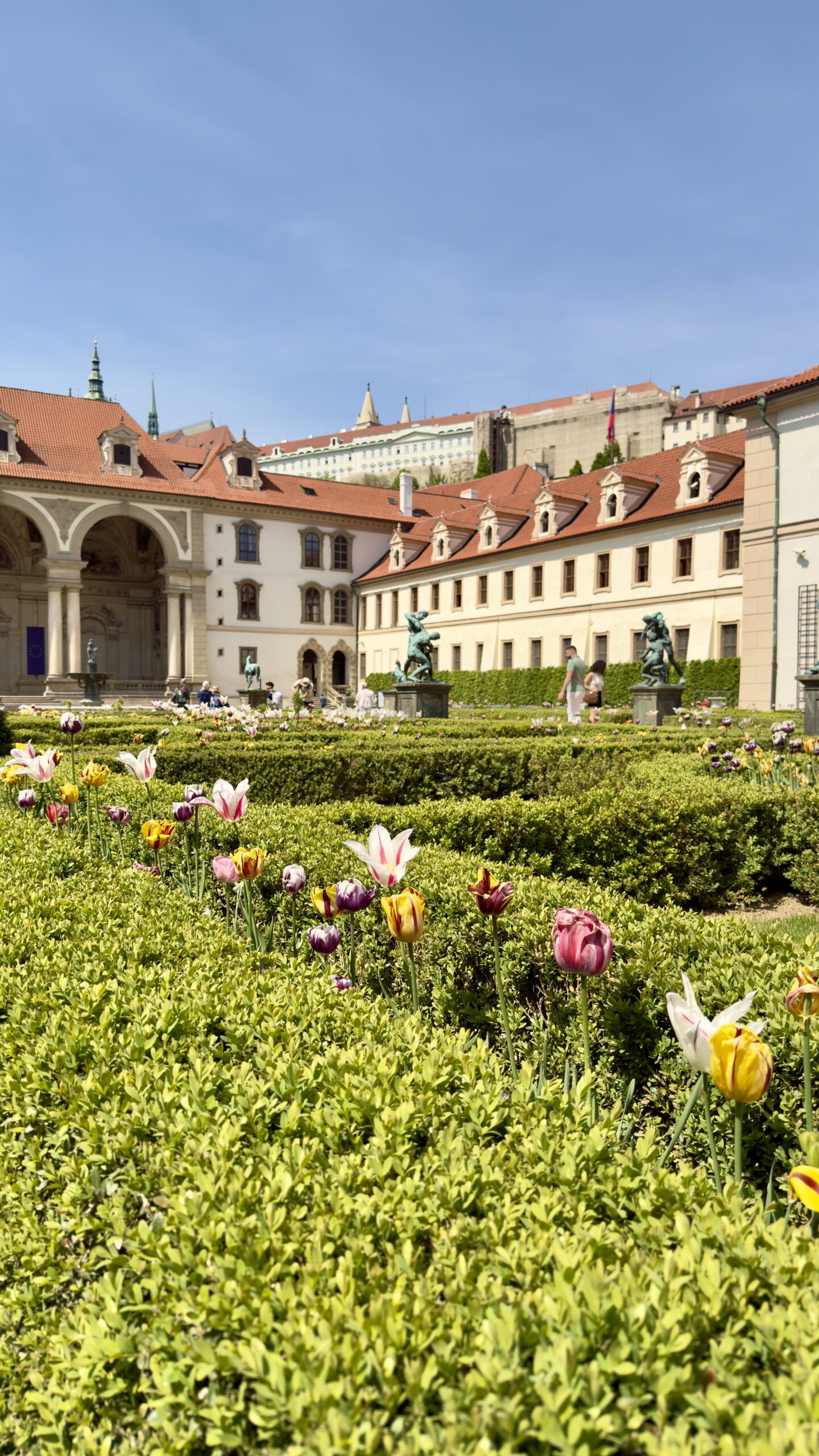
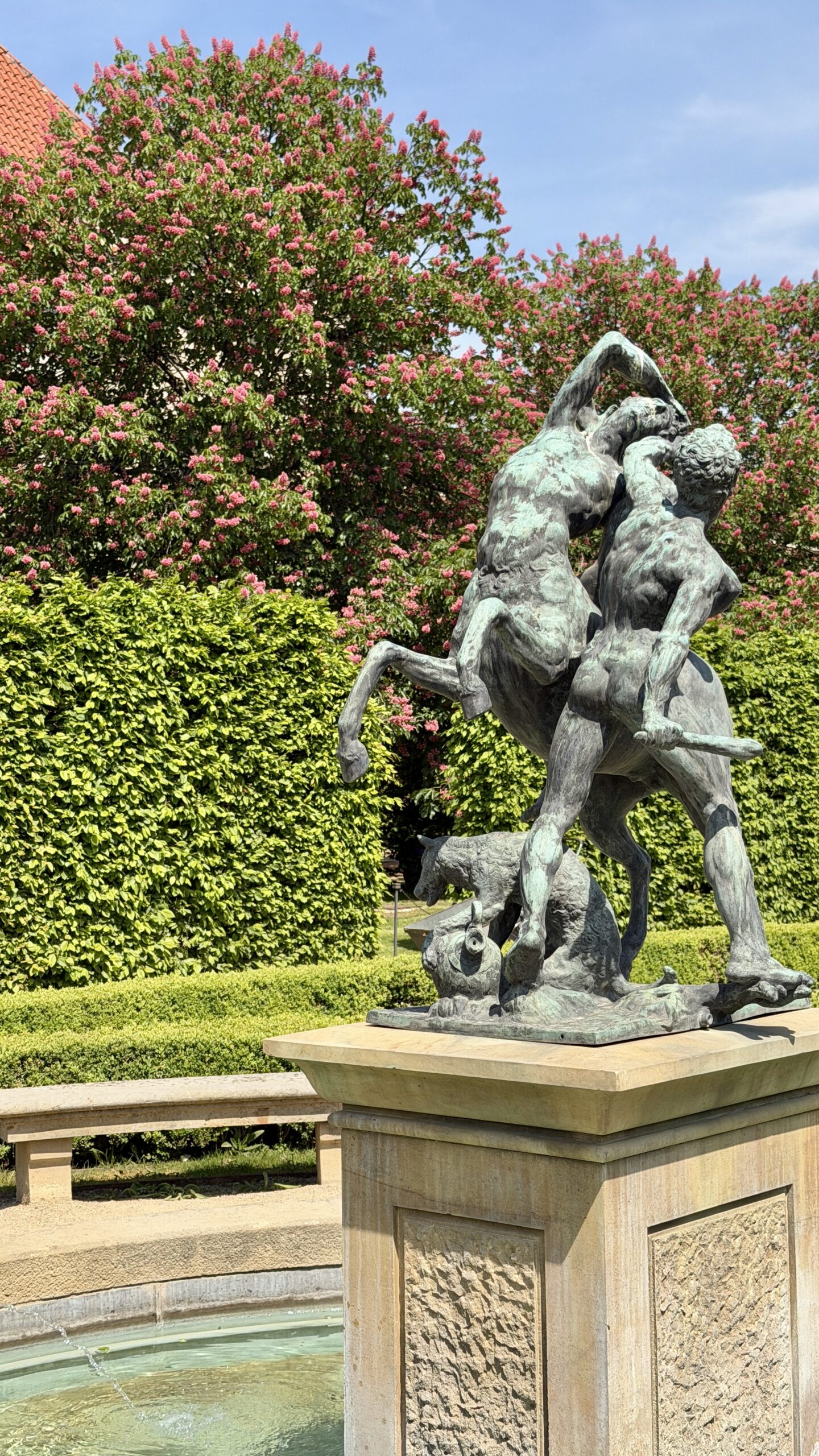
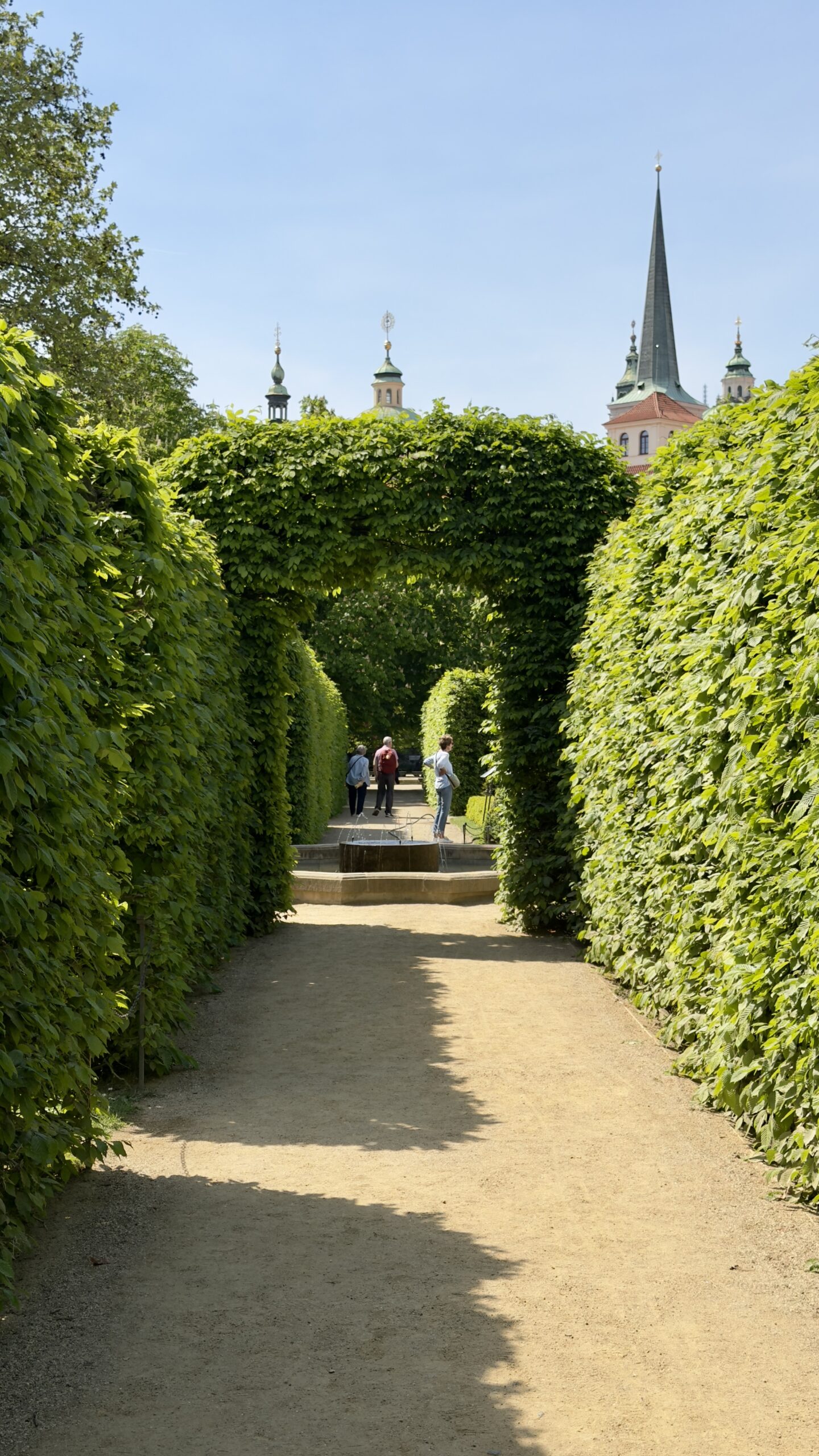
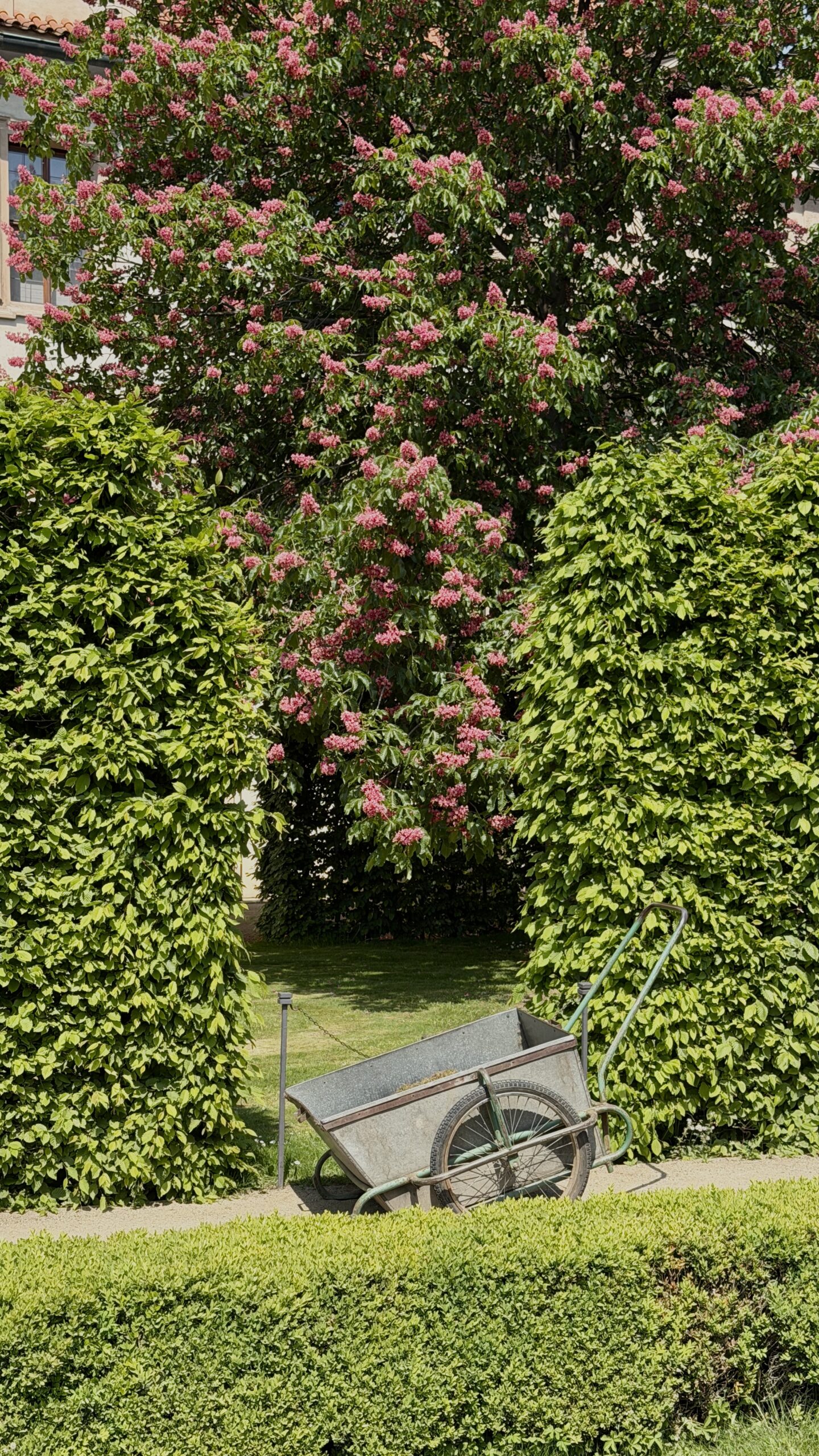
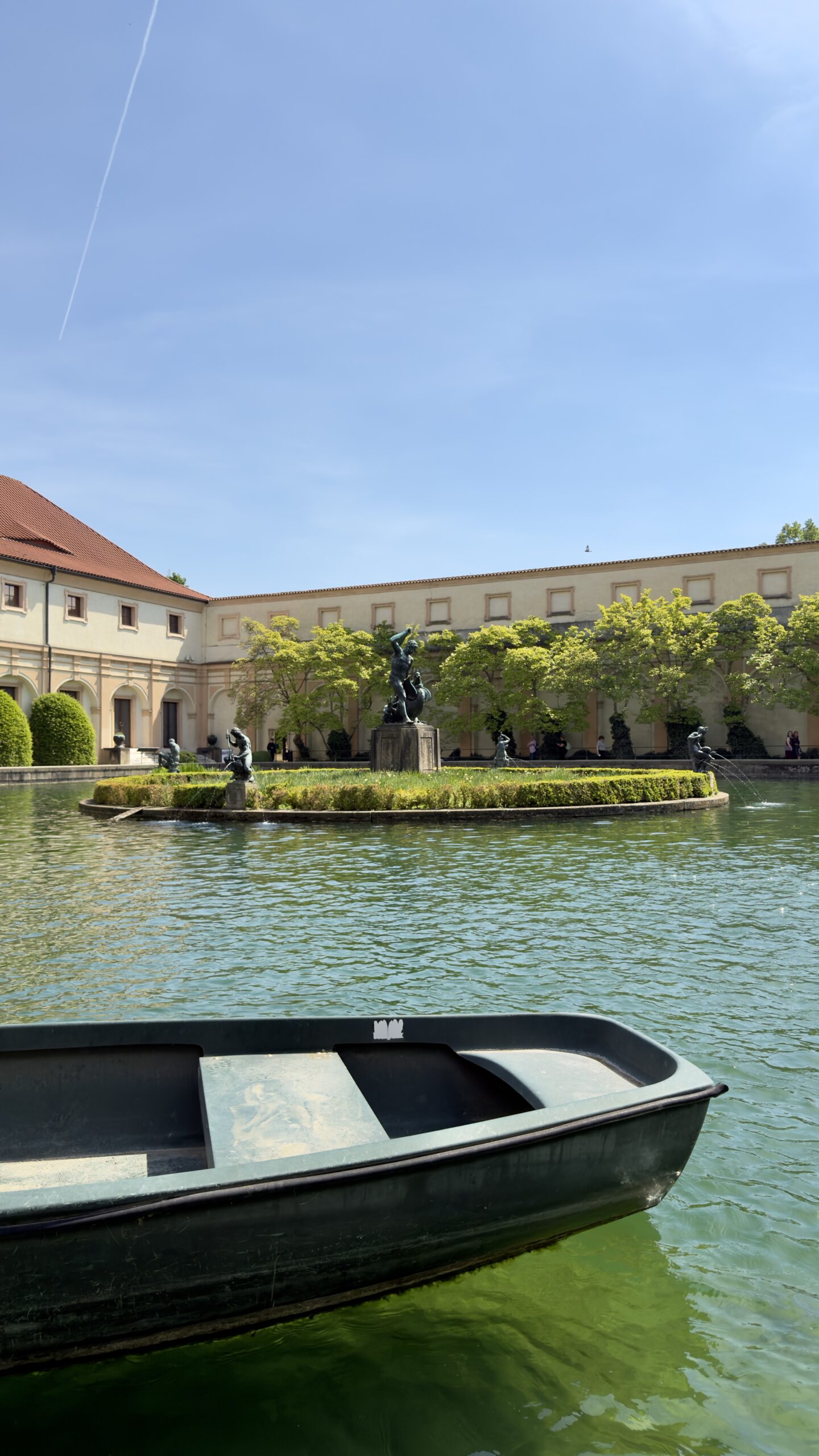
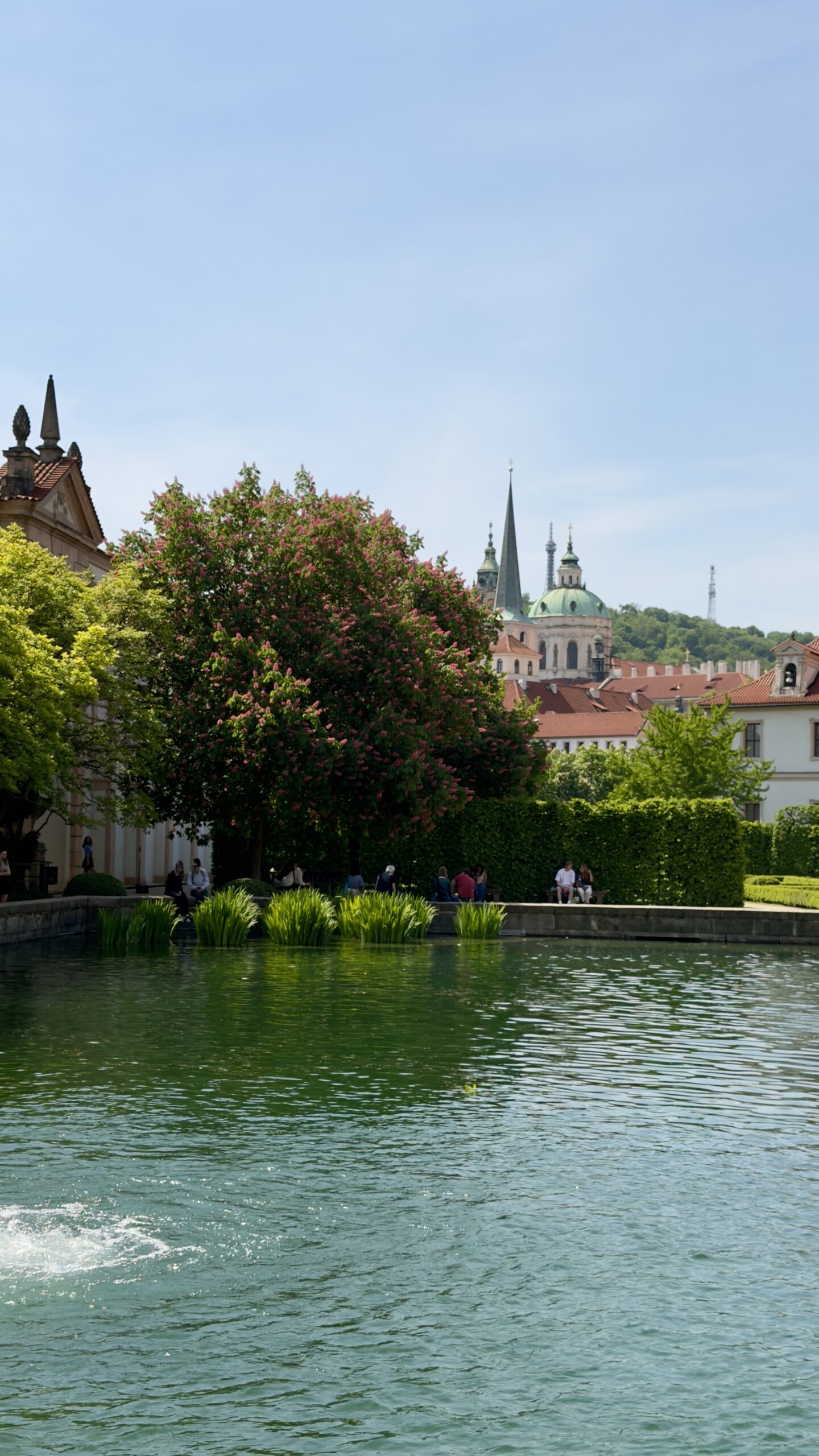
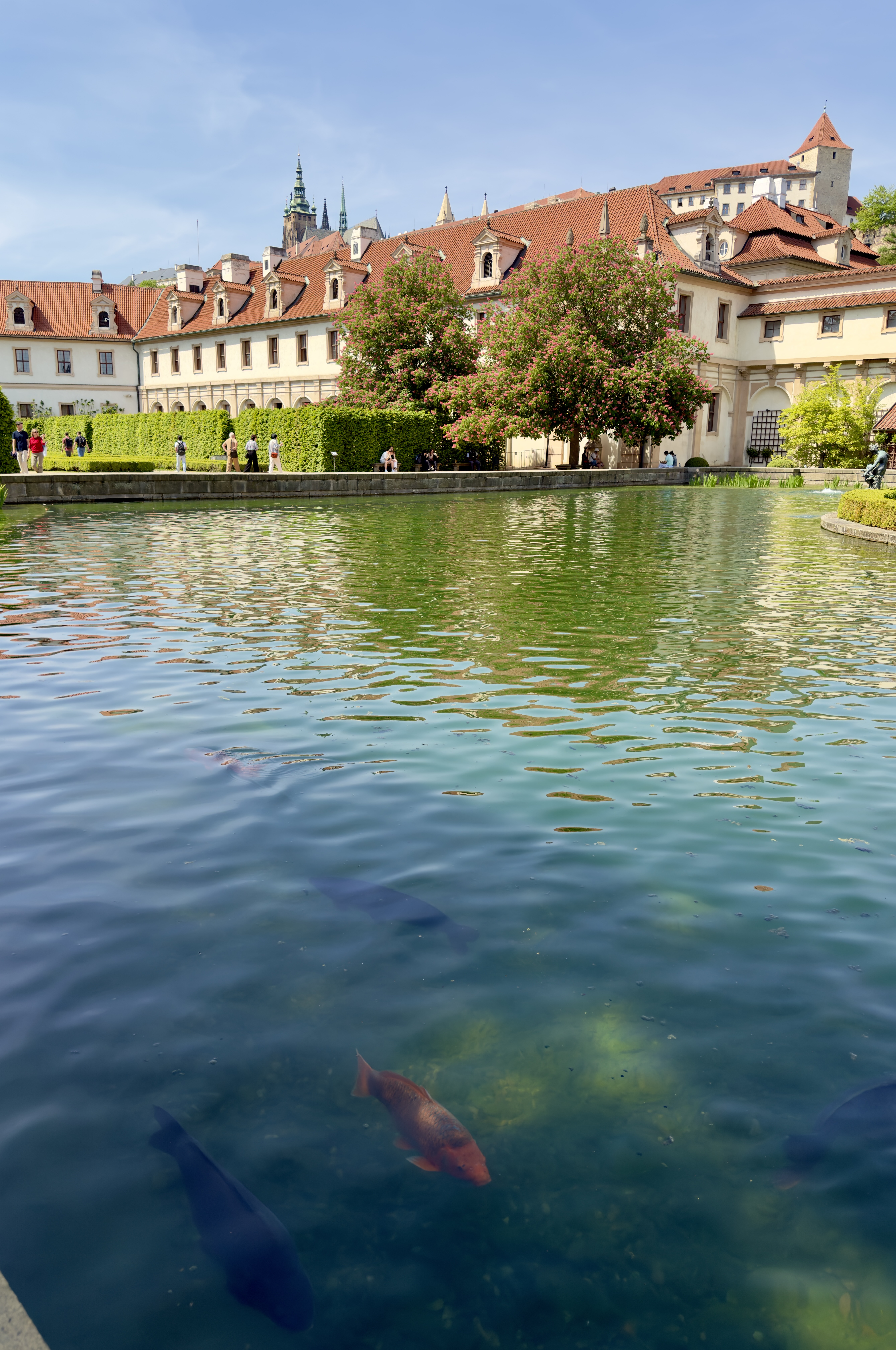
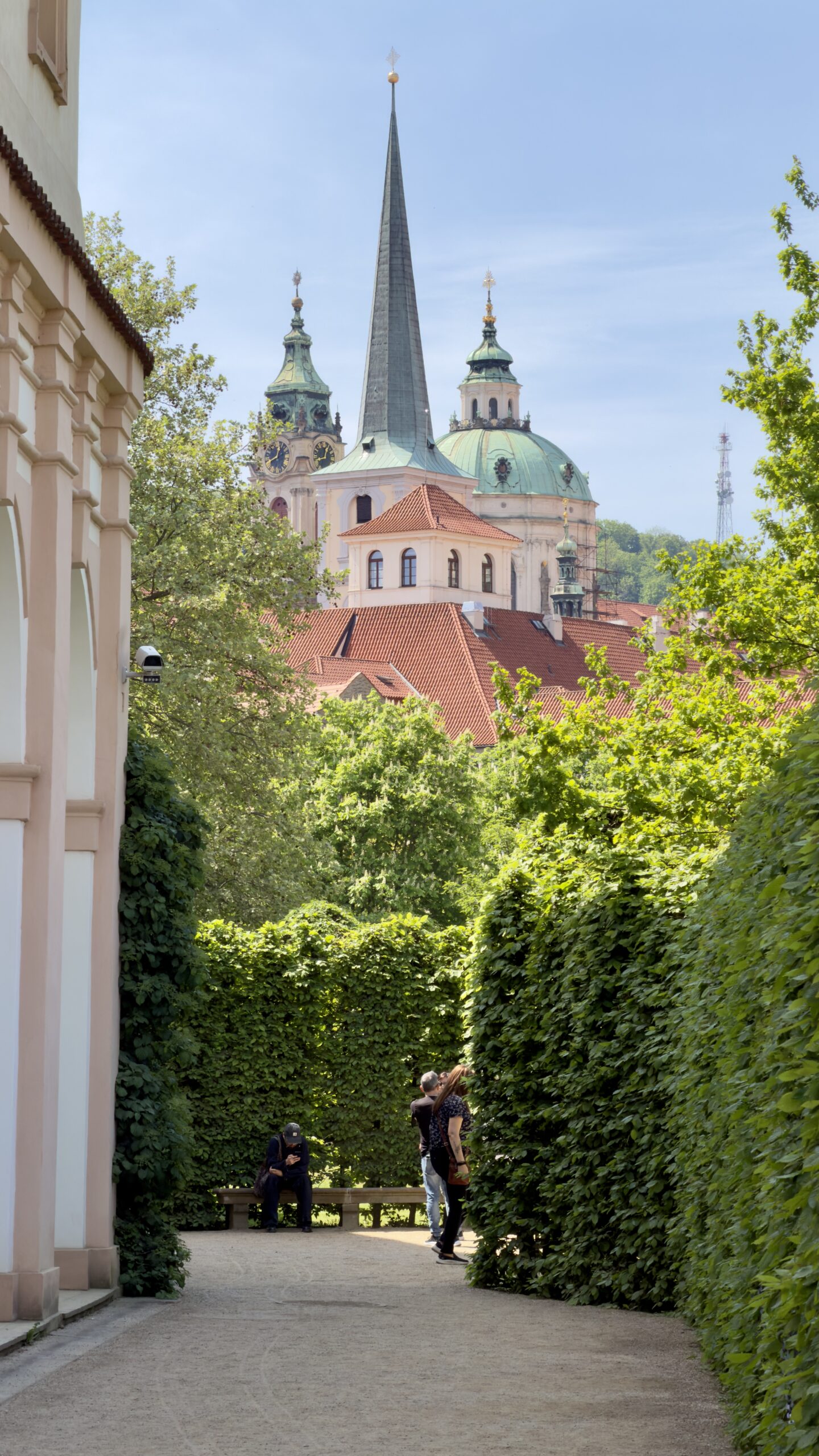
A different kind of atmosphere emerges in Valdštejnská zahrada. Where Vojanovy sady feel intimate, Valdštejnská garden feels composed. Symmetry, open pathways, carefully shaped greenery, pale walls reflecting afternoon light — everything there seems designed around stillness and proportion. In spring, the contrast between structured Baroque architecture and the softness of new greenery becomes particularly striking.
It is one of the clearest examples of how Prague balances density with openness. The city never moves entirely in one direction. Heavy architecture is interrupted by gardens. Historic facades open into courtyards. Narrow streets lead unexpectedly into wide, quiet spaces filled with trees and light. That constant transition is part of what makes walking through Prague during spring feel so effortless.
You rarely need to search for atmosphere here. You simply walk long enough and eventually step into it.
Reclaiming the Streets: Where the Locals Go
The return of outdoor life also changes the social energy of the city. Cafés expand outward first. Chairs appear on pavements almost overnight, followed quickly by tables that remain occupied for hours at a time. People stop rushing through meals and begin treating the city itself as an extension of the café interior.
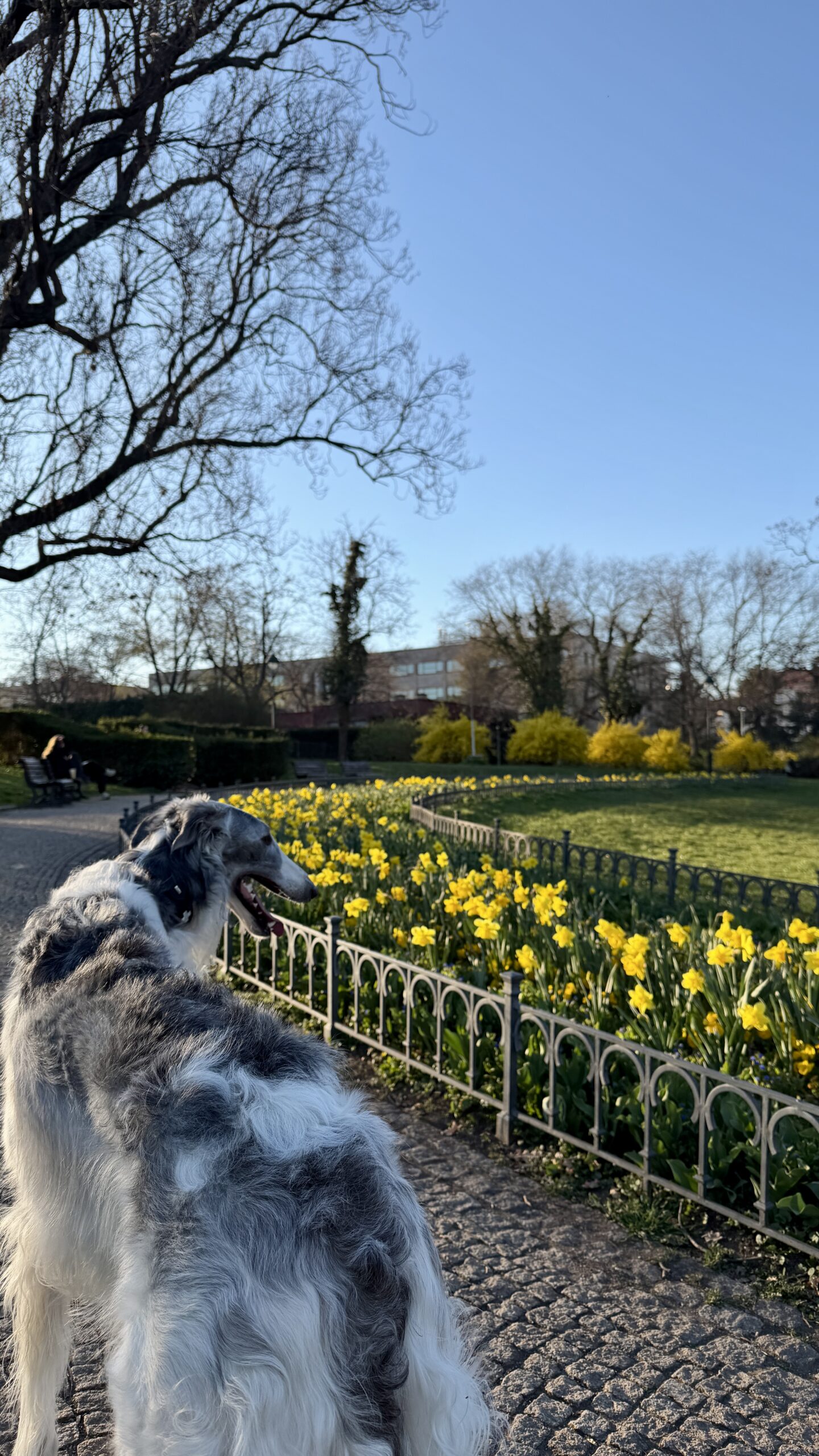
This is especially noticeable in neighbourhoods outside the purely historic centre, where Prague feels more lived-in than observed. Conversations spill into the street. Dogs sleep under tables while trams pass metres away. Small bakeries stay busy well into the evening. The atmosphere becomes less about sightseeing and more about rhythm — daily life unfolding outdoors again after months spent inside.
Spring makes Prague feel more local. Not because tourists disappear, but because residents reclaim the city at the same time. Parks fill with groups sitting in the grass, friends meeting spontaneously after work, people carrying flowers home from markets, runners appearing again along the river after sunset.
The city feels occupied differently. That shift affects even the most familiar parts of Prague. Places that can feel overwhelming during colder months or peak tourist periods regain a different kind of balance in spring. Open spaces feel more breathable. Architecture becomes less imposing. The city loosens slightly.
You notice more movement, but less pressure. There is a difference between a city being active and a city feeling heavy, and Prague in spring manages to stay energetic without becoming exhausting. The pace increases, but so does the openness of the environment around it. That balance is difficult to create in most capitals. Prague does it naturally.
The Art of the Unplanned Detour
Spring also changes the way people walk through the city. In winter, movement tends to become functional. Routes shorten. Stops become practical. The cold pushes people indoors quickly. Spring reverses that behaviour almost immediately.
Detours start happening again. People cross bridges they do not need to cross, sit in parks they had no intention of visiting, continue walking after reaching their destination simply because the evening still feels open. The city encourages wandering without forcing it.
That quality is difficult to manufacture artificially, which is why Prague feels so convincing during this time of year. Nothing appears staged.
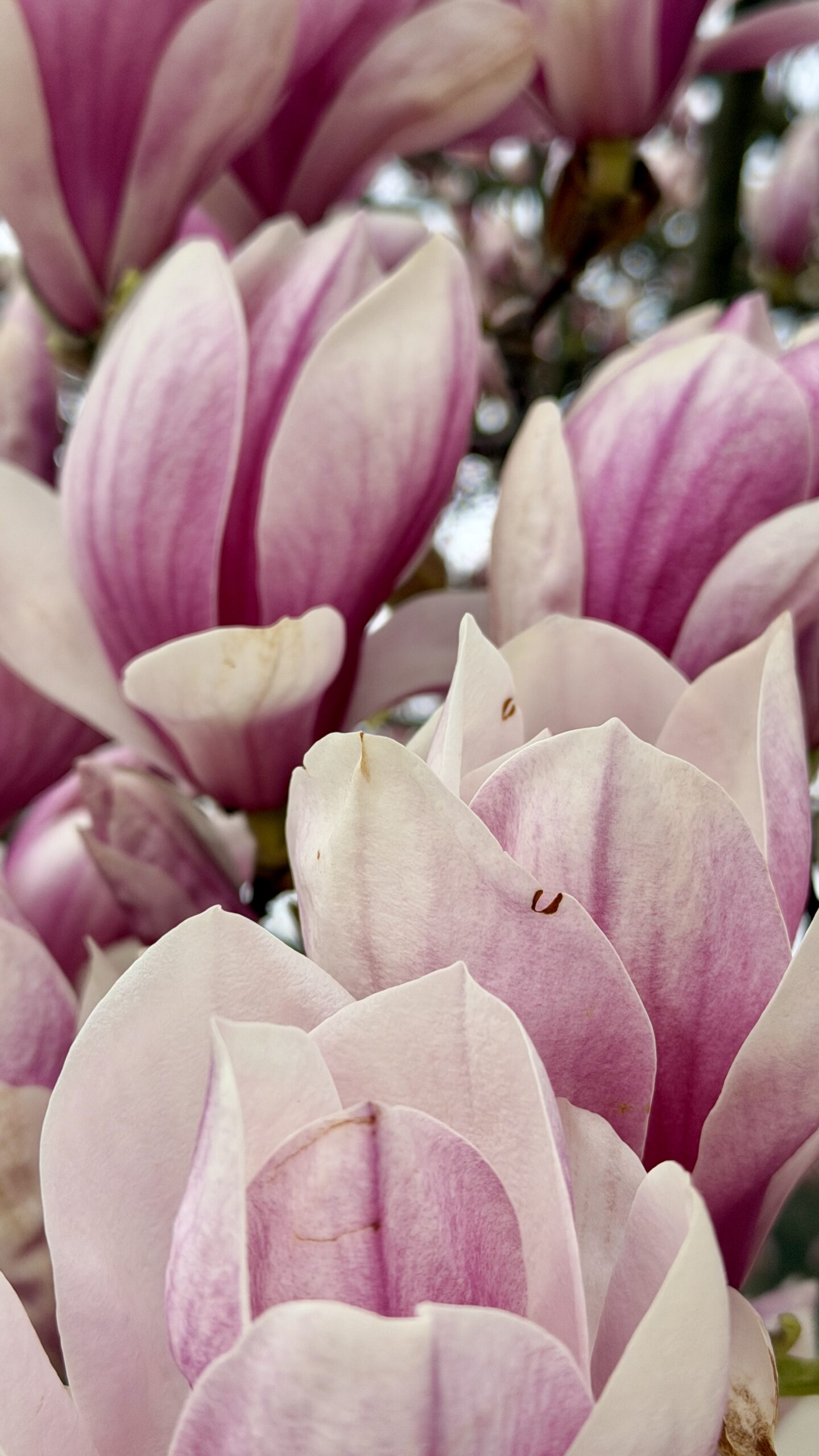
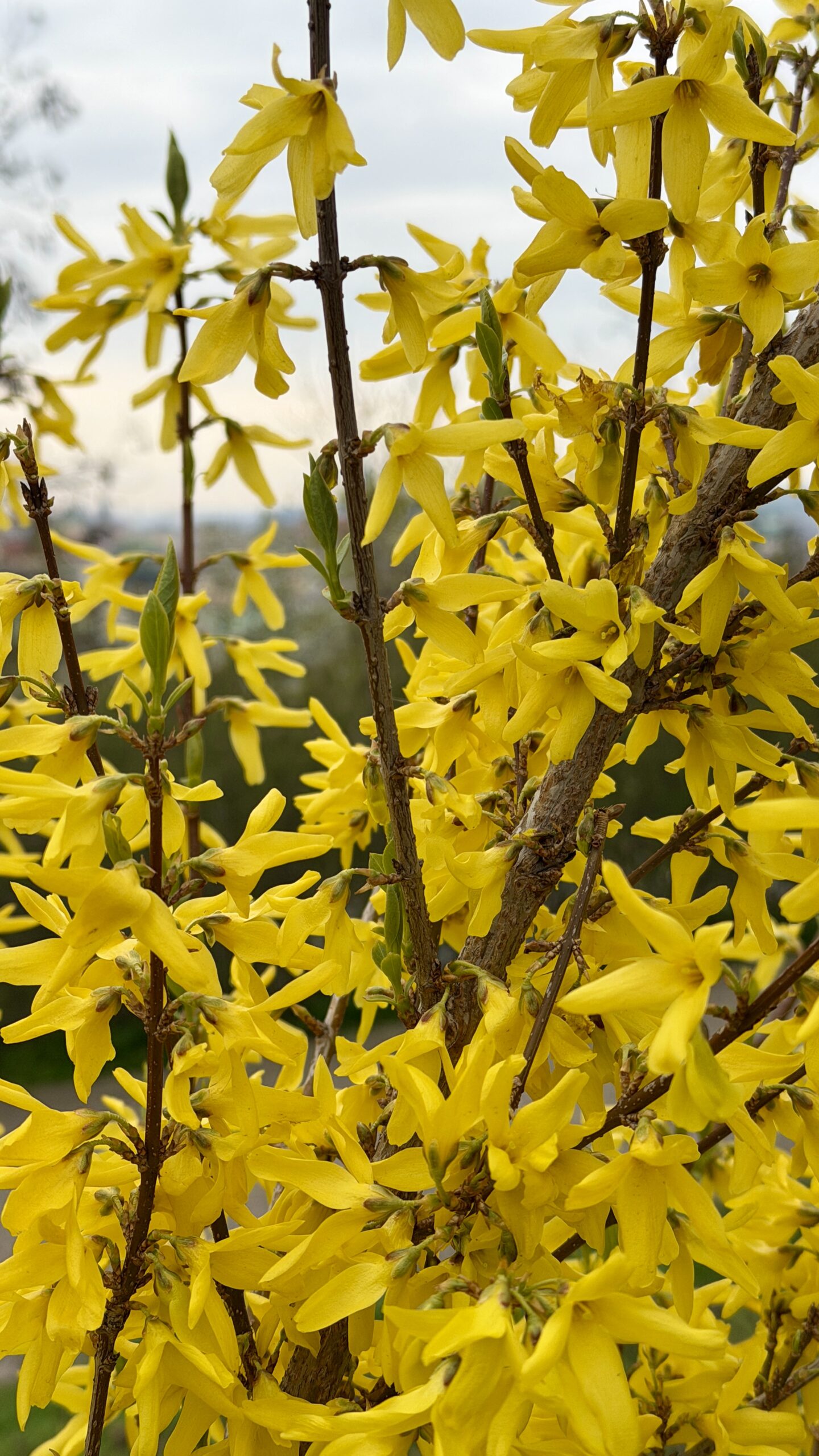
The beauty of spring here comes less from spectacle and more from accumulation — longer light, softer air, open gardens, slower movement, fuller terraces, greener streets. Individually, none of these changes feel dramatic. Together, they completely alter the atmosphere of the city.
And perhaps that is what makes Prague in spring so memorable. Not the idea of the season itself, but the way it changes behaviour. The city becomes easier to inhabit. More spontaneous. More social. More open to lingering. You feel it while walking without destination, while sitting outside longer than planned, while crossing through a garden that did not seem important enough to visit before the weather changed. The city becomes less about seeing and more about being present within it.
That shift is subtle, but once noticed, difficult to ignore.
Your Gateway to Spring: The K+K Hotels Experience
For guests staying at K+K Hotel Central or K+K Hotel Fenix, this rhythm begins almost immediately outside the door. Prague in spring does not require an itinerary to be experienced properly. Some of the best moments happen accidentally — during an unplanned walk, a quiet pause in a garden, or a longer route taken simply because the evening still feels too good to end.
That is the season at its best here. Not dramatic. Not exaggerated. Just enough warmth, light, and movement to make the entire city feel newly alive again.
Spring in Prague is never only about bloom. It is about atmosphere returning to the streets. About the city opening outward after months of restraint. About movement becoming slower, lighter, and less purposeful in the best possible way. And once that shift happens, it changes everything about how Prague feels to move through.